Ancient inscriptions, tombs, and fortresses quietly tell stories of empires, faith, and communities that shaped the region. For Dr. Shakir Ullah, preserving these stories is not only an academic pursuit but a responsibility to future generations.
A faculty member at Hazara University, Mansehra, and an alumnus of the Cultural Visitors Program (2012), Dr. Shakir led a PUAN Alumni Small Grants project focused on the digital preservation of three culturally significant heritage sites: the Ashoka Rock Edicts, the Tomb of Sultan Mahmud Khurd, and the Naukot Fortress.

The project aimed to protect these fragile sites by creating accurate digital records using emerging technologies. Over a period of 24 weeks, Dr. Shakir and his team carried out detailed fieldwork that included photographic documentation, GPS mapping, architectural measurements, and drone-based imaging. These datasets were used to produce high quality three dimensional models, spatial maps, and architectural drawings that support research, conservation, and education.
A key outcome of the project was the creation of an open access digital archive, now available at arch.hu.edu.pk. This platform allows students, researchers, and the general public to explore the documented sites and learn about their historical significance without placing physical strain on the monuments themselves.
Community engagement was central to the project’s success. Some of the sites are closely connected to local religious and cultural practices, and community members initially had questions about the purpose of the documentation work. Through consultations, awareness sessions, and direct involvement, these concerns were addressed and local residents became active partners in the preservation process.
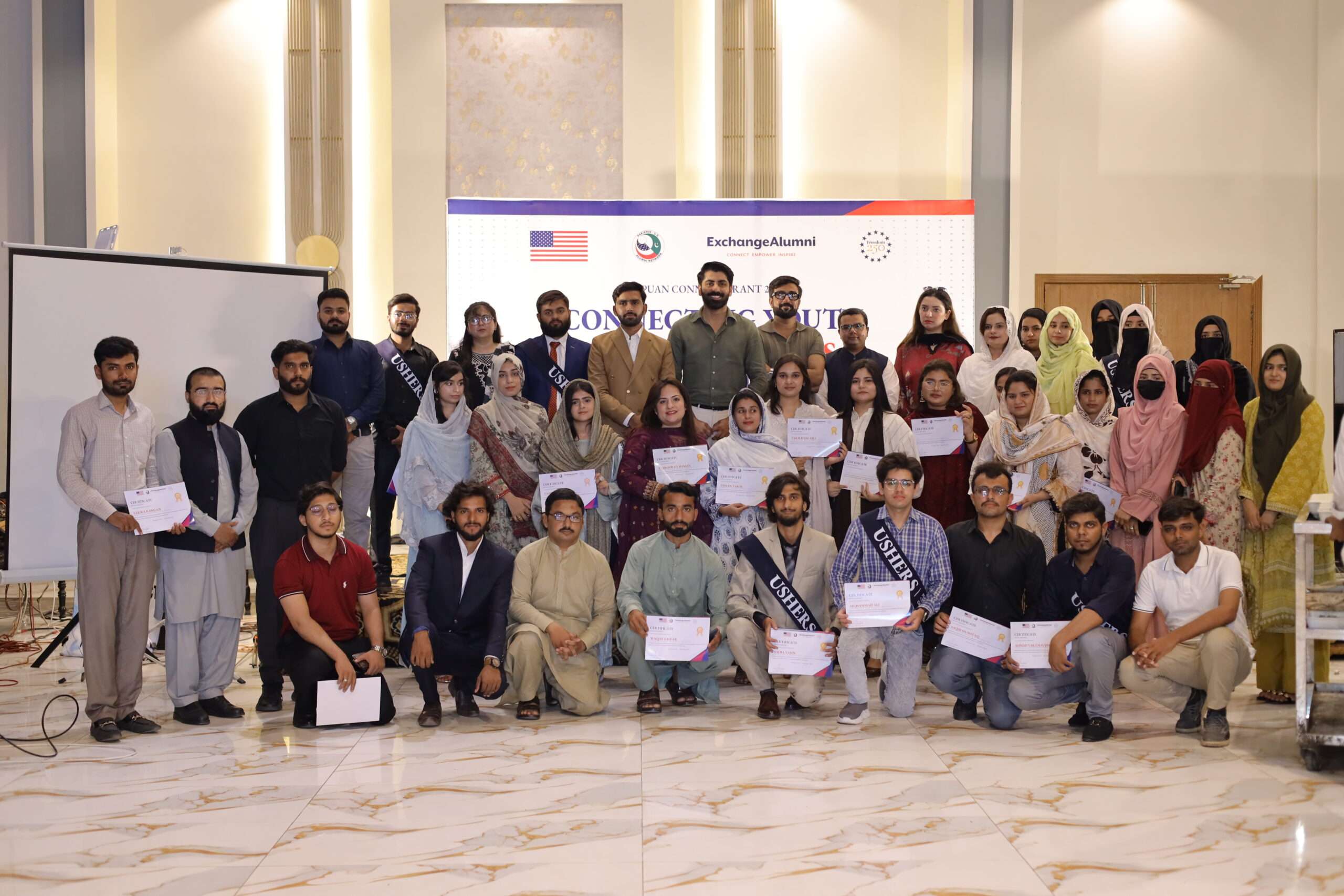
The project also served as a learning opportunity for students and heritage professionals. Field activities and training sessions helped participants develop practical skills in photogrammetry, GIS, and digital documentation. Public events, including an opening ceremony attended by 150 participants and a closing ceremony with 120 attendees, further strengthened awareness about the importance of safeguarding cultural heritage.
For many in the community, the project changed how they viewed the monuments around them. Aleeza Javed, a student from Mansehra, shared that seeing the sites digitally documented gave her community a renewed sense of pride and made it easier to share their heritage with younger generations. Another participant, Sikandar from Mardan, said the virtual reconstructions made learning about local history engaging and inspired him to take an active interest in protecting these sites.
Looking ahead, Dr. Shakir plans to continue working with students and local communities to document other endangered heritage sites across Pakistan. His long term vision includes using advanced digital tools and open access platforms to ensure that Pakistan’s cultural heritage remains protected, accessible, and valued.
Through this project, the past has been carefully preserved for the future, showing how technology, when used responsibly, can strengthen our connection to history rather than replace it i.e. Preserving Pakistan’s Past Through Digital Innovation.