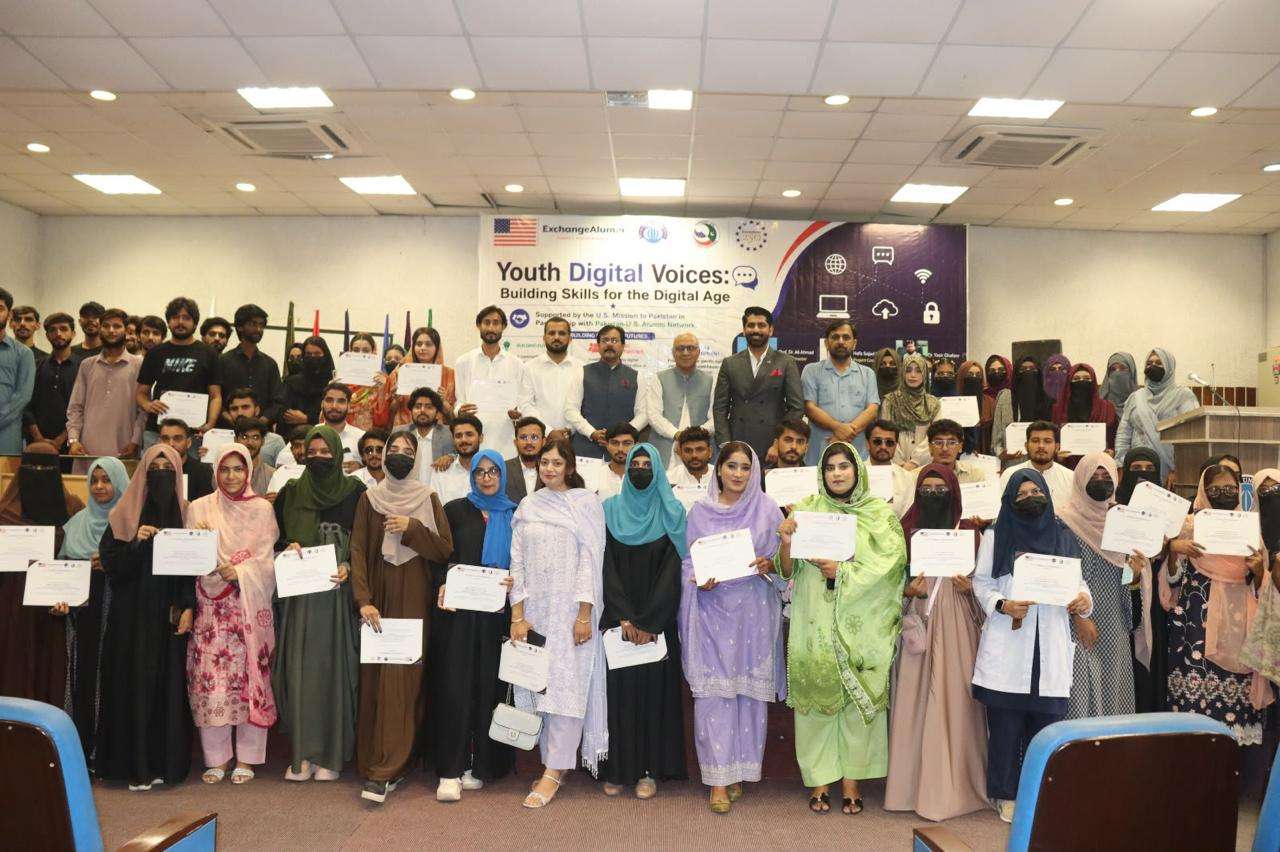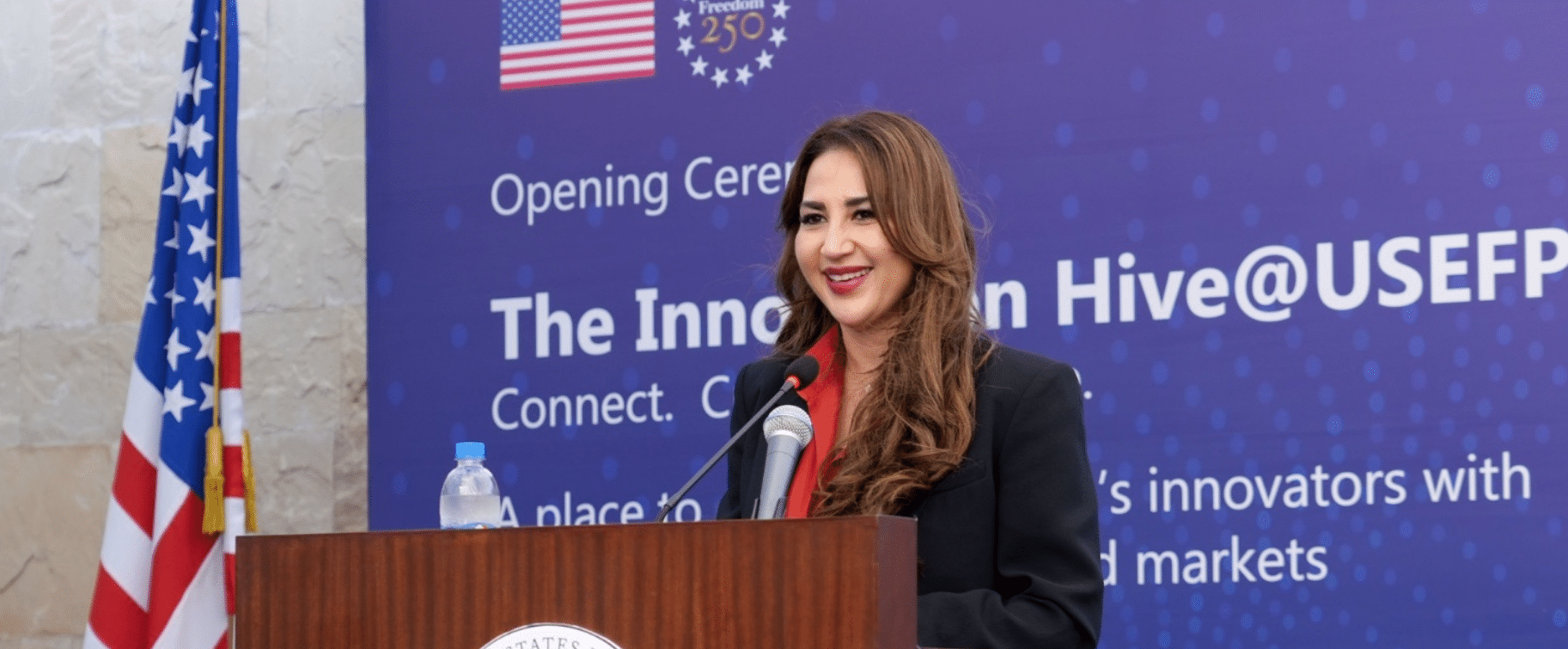
For many young people in rural Sindh, completing an education does not always translate into access to meaningful employment. Limited exposure to entrepreneurship, digital skills, career guidance, and emerging economic opportunities can leave graduates competing for a narrow pool of government and private-sector jobs.
Recognizing this challenge, Professional Fellows Program alumnus Sajid Ali launched SkillUp Sindh: Youth Workforce Readiness & Digital Entrepreneurship Program, an eight-week PUAN Grant initiative designed to help young people in Naushahro Feroze broaden their career possibilities, from employment and freelancing to entrepreneurship and small business development.
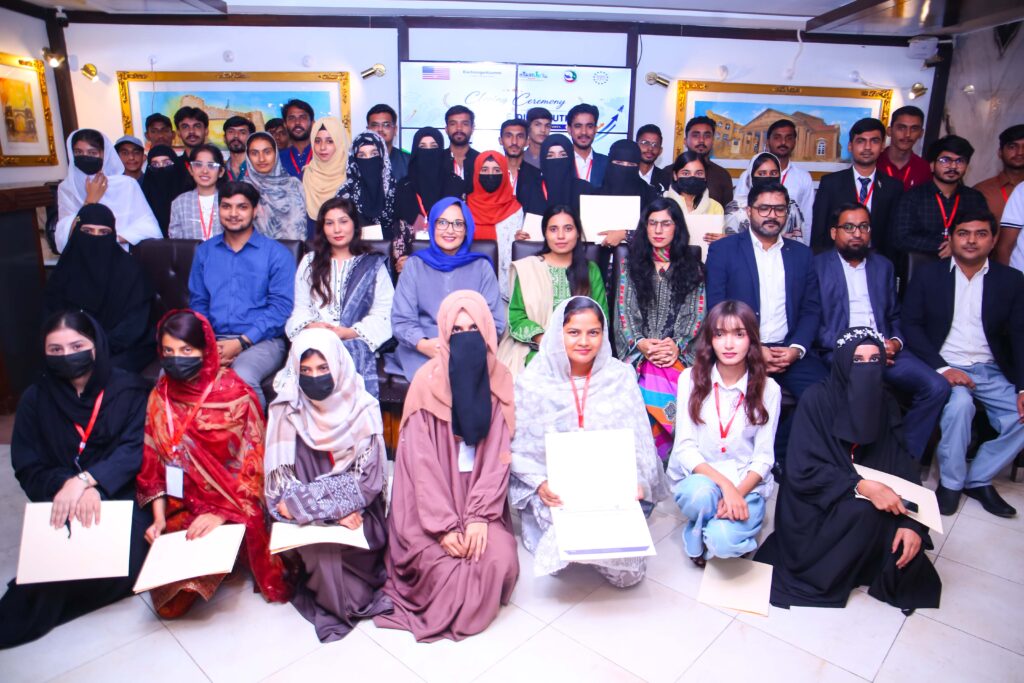
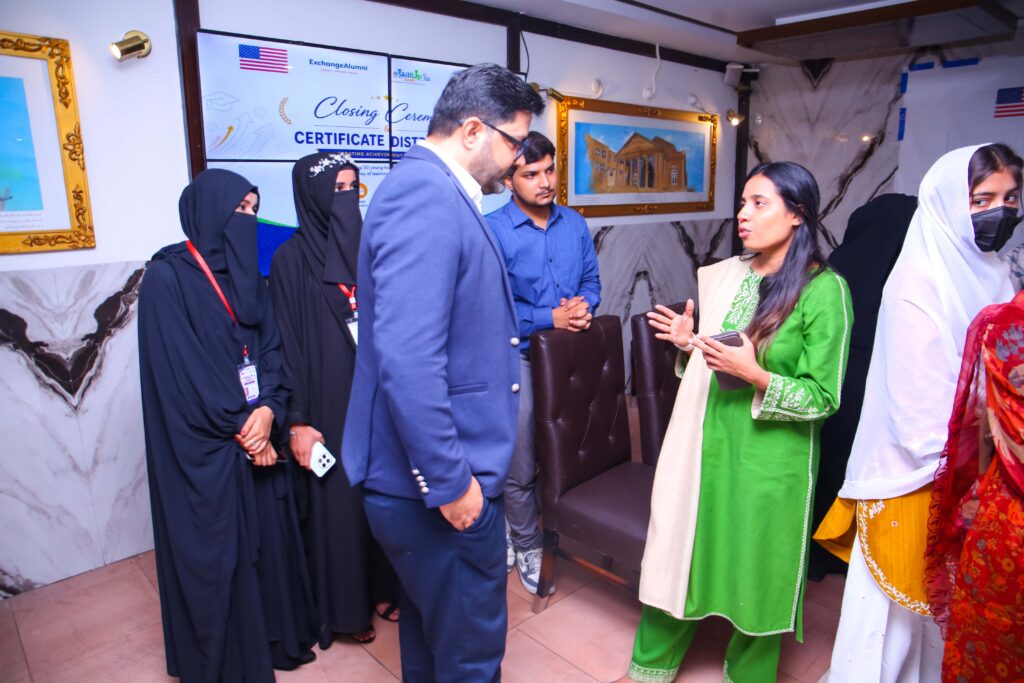
The program, which concluded with a closing ceremony in Moro on July 30 on workforce readiness, digital literacy, entrepreneurship, freelancing, online business development, and other practical skills for the changing world of work.
For some participants, those lessons have already translated into action. During the program, participant Dilkash launched her own food venture, “Dil Ka Nashta,” which has since developed into a functioning local business in Naushahro Feroze providing an early example of the entrepreneurial mindset SkillUp Sindh set out to cultivate.
From Seeking Jobs to Creating Opportunities
The idea behind SkillUp Sindh emerged from a challenge Sajid had observed among young people in his community. Many graduates continue to view government or private-sector employment as their primary pathway after completing their education, while comparatively few have access to the skills, mentorship, and exposure needed to consider entrepreneurship, freelancing, or self-employment.
Sajid wanted to help broaden that outlook by introducing young people to the possibility that they can not only prepare themselves for existing jobs but also use their skills, ideas, and technology to create economic opportunities of their own.
His motivation was strengthened by his experience in the United States through the Professional Fellows Program in 2019 at the University of Oklahoma, where his program focused on entrepreneurship. After returning to Pakistan, Sajid sought to adapt lessons and approaches from his exchange experience to the needs of young people in communities such as Naushahro Feroze.
A social entrepreneur and youth development practitioner, Sajid is the founder of The Learners’ Tree (TLT), an education and skills development initiative working to expand learning and economic opportunities for young people in rural Sindh. His work focuses on entrepreneurship, workforce readiness, digital skills, and youth leadership development.
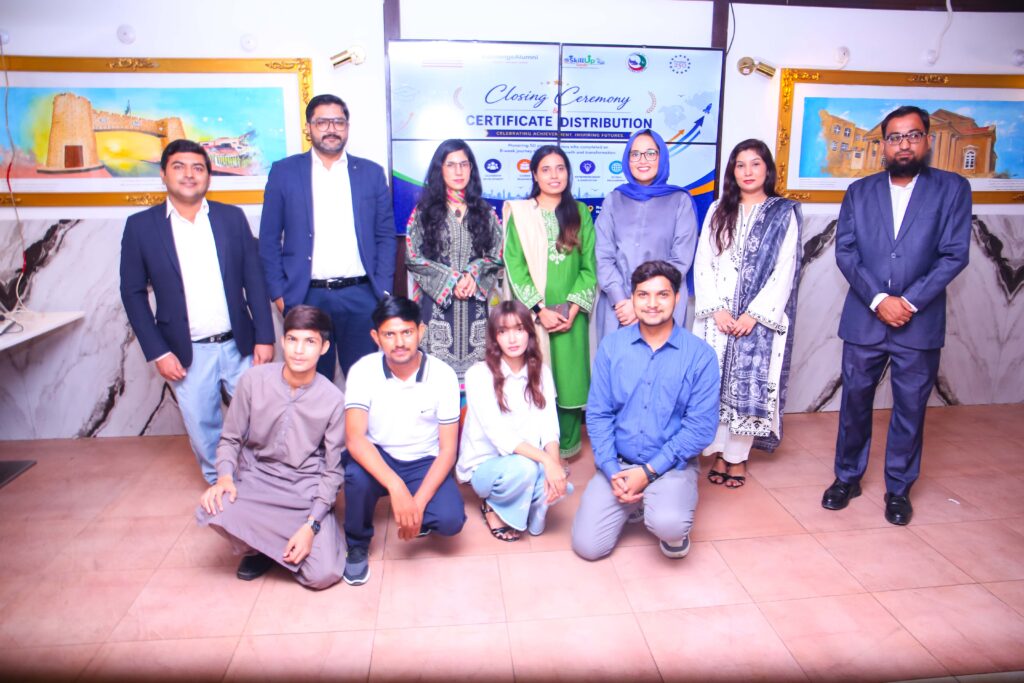
Eight Weeks of Practical Learning
Implemented from June 1 through July 31, 2026, SkillUp Sindh was designed around the theme “Workforce Readiness for Trade, Technology & Investment.”
The program combined structured workshops, practical exercises, mentorship, and exposure to new economic opportunities. Participants developed skills in communication, leadership, career planning, digital literacy, freelancing, digital marketing, online business development, and entrepreneurship.
Rather than preparing participants for a single career pathway, the initiative encouraged them to explore different ways of participating in the economy whether through employment, freelance work, digital services, or starting and growing small businesses.
PUAN alumni also contributed to the initiative as team members, mentors, speakers, and participants, helping connect the young cohort with professional experiences and perspectives from different fields.
Bringing Global Perspectives to Rural Sindh
SkillUp Sindh also drew on professional connections Sajid developed through his U.S. exchange experience.
The program incorporated virtual engagement and insights from U.S.-based professionals and organizations, including connections associated with the University of Oklahoma, LoveWorks Leadership, Kidvation Global, and the Ronnie K. Irani Center for the Creation of Economic Wealth.
These professional relationships, developed through Sajid’s participation in the Professional Fellows Program and sustained after his return to Pakistan, helped bring international perspectives on entrepreneurship, leadership, and youth development into a program designed around the realities of rural Sindh.
By combining local knowledge with international exposure, SkillUp Sindh gave participants an opportunity to understand how entrepreneurship, technology, and new ways of working are reshaping economic opportunities beyond their immediate communities.
Turning Training into Enterprise
The impact of that approach was visible at the project’s closing ceremony in Moro on July 30.
The event brought together around 50 participants, along with their trainers, teachers, alumni, and members of the project team. Participants shared their experiences from the eight-week program and reflected on how the training had influenced their thinking about careers, entrepreneurship, and their own economic potential.
One participant, Dilkash, had already begun putting those lessons into practice. During the training, she launched “Dil Ka Nashta,” a food venture that allowed her to apply the entrepreneurial concepts she was learning to a real business idea. What started during the program has since developed into an operating business in Naushahro Feroze.
Her experience demonstrates the kind of shift SkillUp Sindh sought to encourage: moving participants from simply learning about entrepreneurship to identifying opportunities, testing ideas, and taking practical steps toward creating something of their own.
The enthusiasm of participants at the closing ceremony also reflected the project’s broader impact. Their experiences suggested that the program had helped expand their understanding of the possibilities available through entrepreneurship, freelancing, digital skills, and other emerging pathways into the workforce.
Building on an Exchange Experience
For Sajid, SkillUp Sindh also demonstrates how knowledge and professional networks gained through a U.S. exchange can be adapted to address challenges at the community level.
His 2019 Professional Fellows experience exposed him to approaches in entrepreneurship and youth development that he has continued to build upon through his work in Sindh.
Through The Learners’ Tree and initiatives such as SkillUp Sindh, Sajid has focused on connecting young people in underserved communities with practical skills, mentors, technology, and opportunities that may otherwise remain beyond their reach.
The project was implemented according to its proposed plan, with activities aligned with the approved objectives and schedule. Regular reporting and timely project updates also helped document progress throughout the eight-week initiative.
Sustaining the Momentum
Although the formal training has concluded, Sajid plans to continue engaging with the participants. By bringing together workforce readiness, digital skills, entrepreneurship, mentorship, and international professional exposure, the PUAN Grant has helped equip a new cohort of young people in rural Sindh to participate more confidently in Pakistan’s evolving economy.
For participants like Dilkash, that journey has already moved from the training room to the marketplace.