As artificial intelligence continues to reshape education and the skills needed to navigate an increasingly digital world, educators in Hyderabad explored practical ways to integrate emerging technologies into everyday teaching through the PUAN Connect Grant, “AI-Powered Classrooms: Transforming Teaching and Learning through Digital Innovation.”
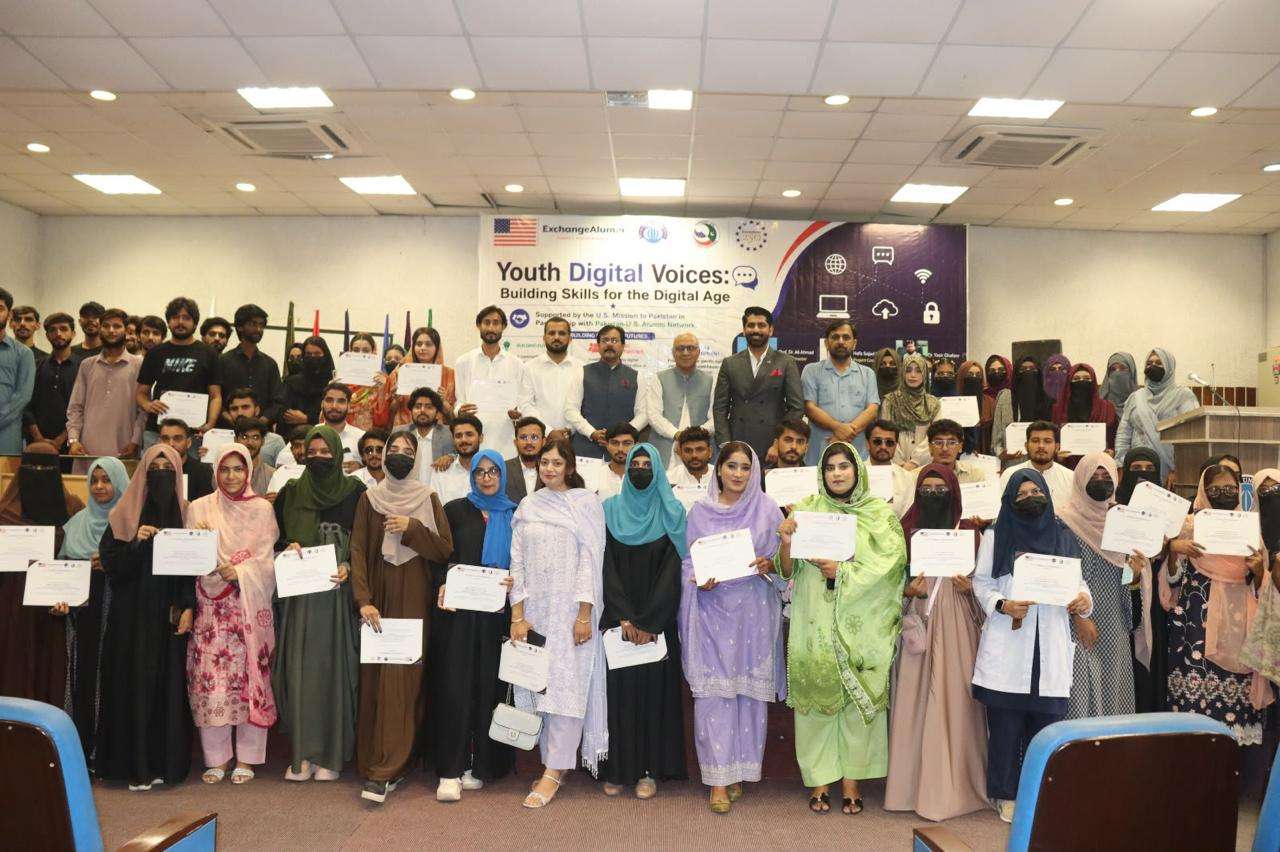
Led by Munesh Kumar, a Pakistan-U.S. Alumni Network (PUAN) alumnus from the Jamshoro Chapter, the day-long workshop brought together approximately 30 schoolteachers and educators from Hyderabad and surrounding areas for practical training on using artificial intelligence to support lesson planning, content creation, classroom activities, and student engagement.
Supported by the U.S. Mission to Pakistan in partnership with the Pakistan-U.S. Alumni Network (PUAN), the initiative focused on building educators’ digital capabilities while encouraging the responsible and effective use of rapidly evolving AI technologies in education.
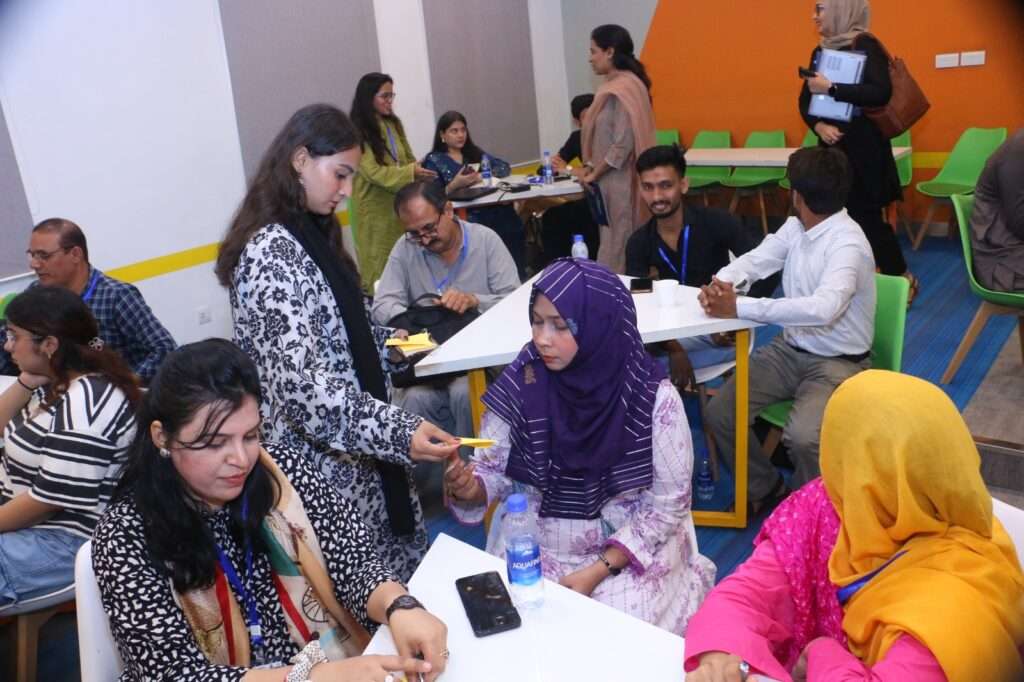
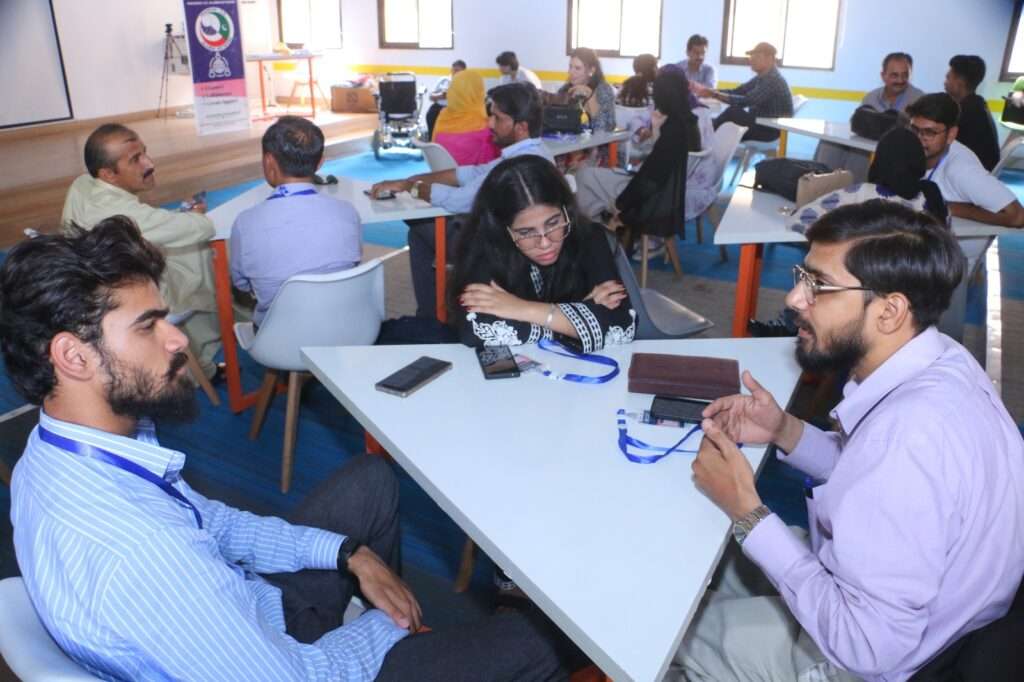
The highly interactive workshop combined demonstrations, discussions, and hands-on activities to help participants move beyond a theoretical understanding of AI and explore its practical classroom applications. Trainers introduced participants to a range of digital and AI-powered resources, including ChatGPT, Claude, Canva, MagicSchool, Urdu AI, NotebookLM, and other content-creation tools, demonstrating how educators can use these platforms to develop learning materials, design engaging activities, support research, and make classroom instruction more interactive.
A key component of the training focused on prompt engineering. Participants learned how to structure clear and effective prompts to generate useful educational content and adapt AI-generated material to specific classroom needs. Through practical exercises, they experimented with creating activities and resources that could be incorporated into their own teaching environments.
The workshop also emphasized that effective AI integration requires responsible use. Sessions explored ethical considerations surrounding artificial intelligence in education, including academic integrity, information quality, critical evaluation of AI-generated content, and the importance of using digital tools responsibly. Participants were encouraged to view AI as a resource that can complement educators’ expertise and creativity rather than replace critical thinking or professional judgment.
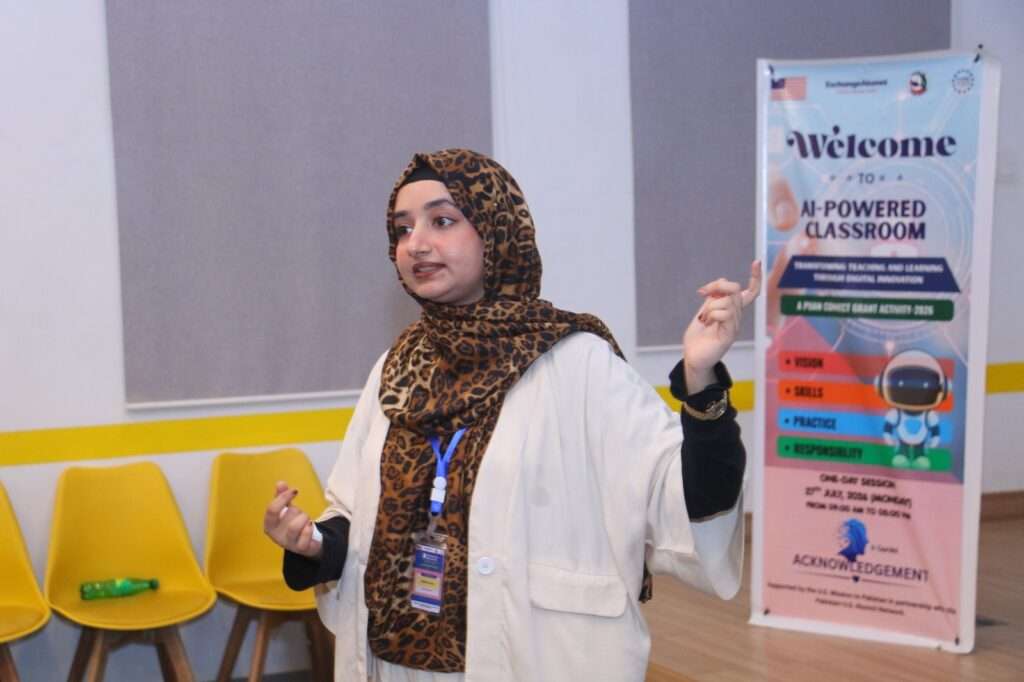
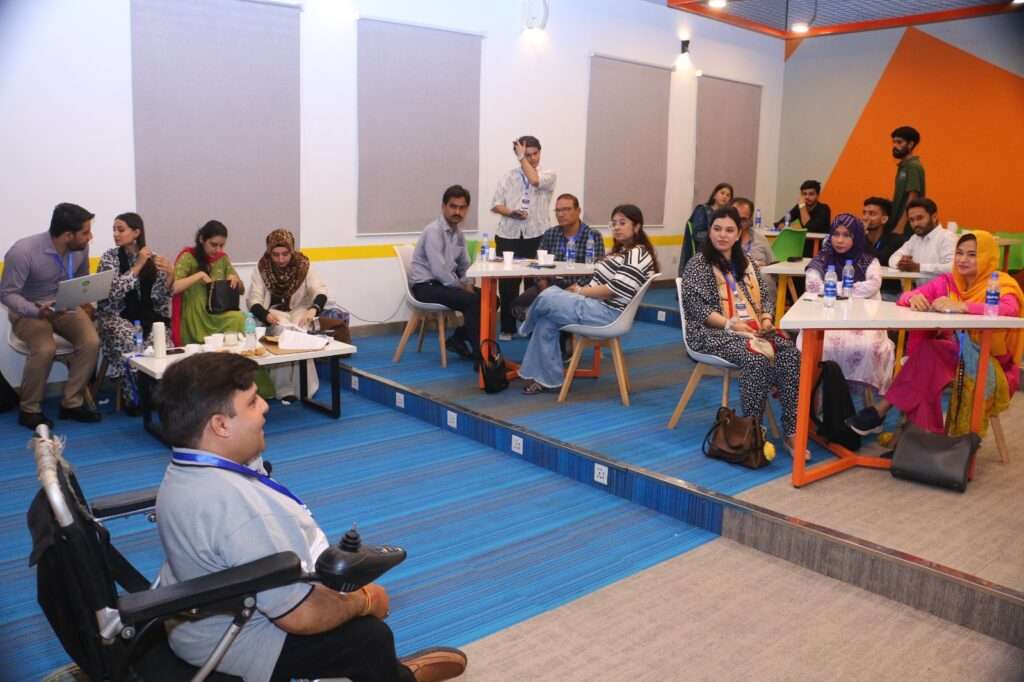
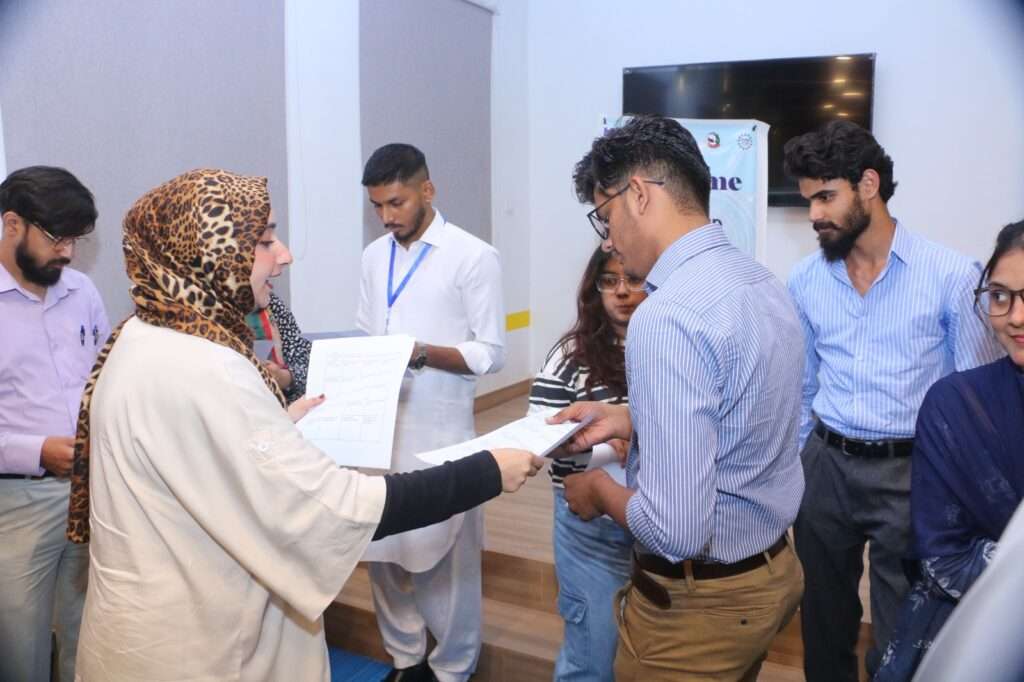
The training sessions were facilitated by Saif Khaskheli, Sitara Taj, Tehmina Kalwar, and Munesh Kumar, who engaged participants through demonstrations and activity-based learning. Kalwar and Kumar are also PUAN alumni, bringing their exchange experiences and professional expertise into the training.
Representatives from the U.S. Mission and PUAN also attended the program, including Faareha Fatima, Alumni Manager at the U.S. Consulate General Karachi, and Samana Qaseem, Alumni Outreach Officer at USEFP’s PUAN Office.
For Kumar, the initiative builds on years of experience at the intersection of education and digital skills. A participant in the OPEN Virtual Program in 2024 through World Learning, he has more than six years of experience teaching English language and computer education and previously spent approximately 15 years working in the banking sector. He has also pursued professional development in areas including digital technologies, SEO, content development, and e-commerce.
His continued engagement with U.S.-supported educational initiatives, including programs offered through RELO Pakistan, has strengthened his interest in using technology to expand learning opportunities and prepare educators and students for a rapidly changing digital environment.
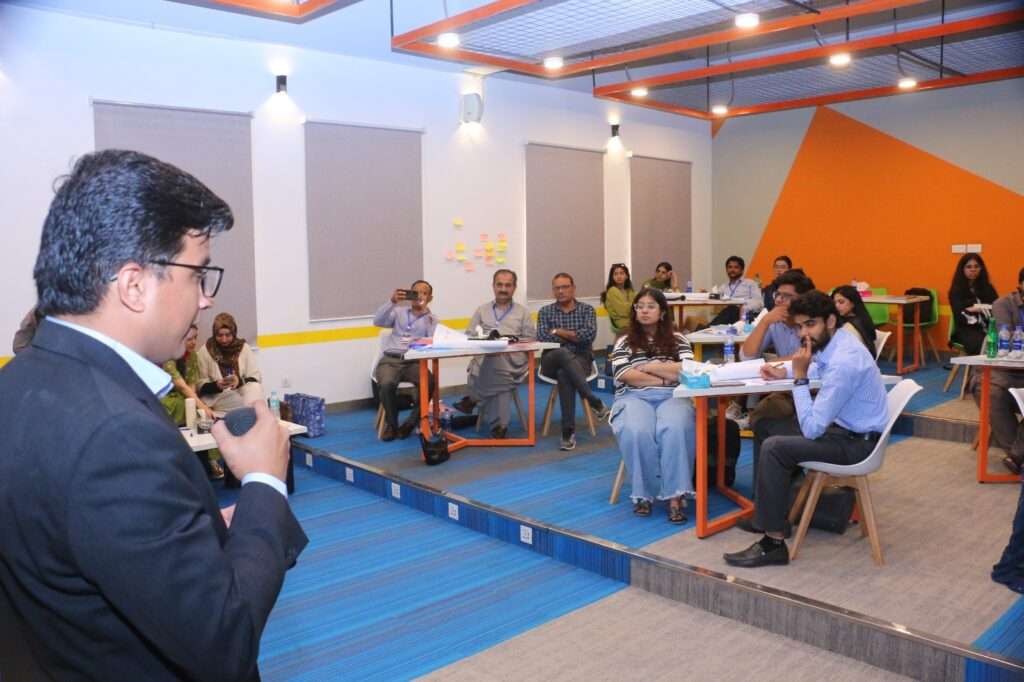
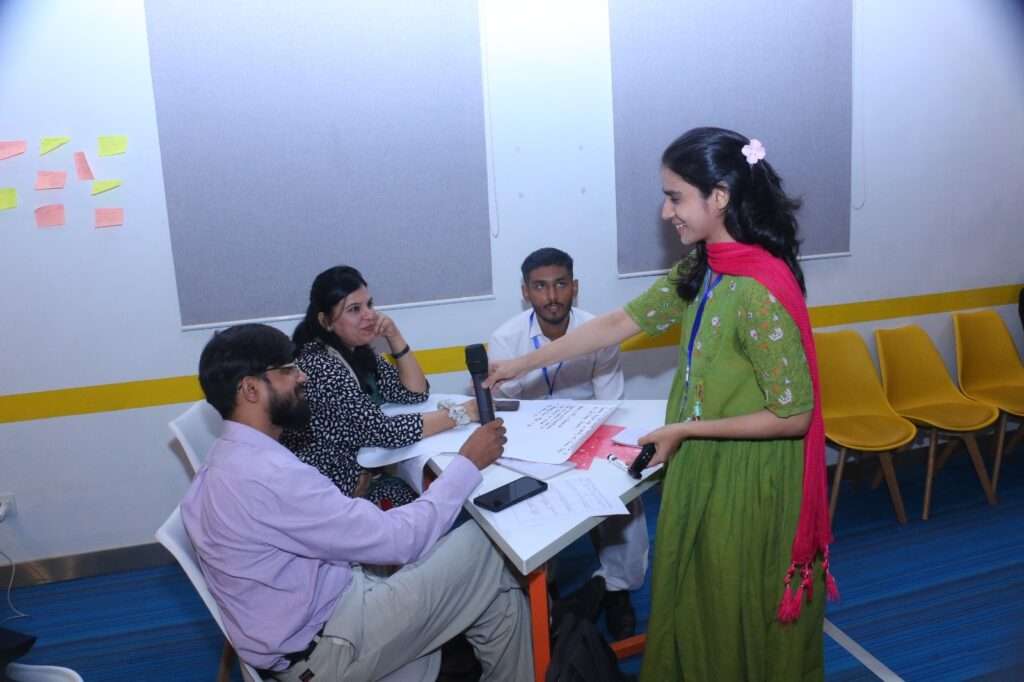
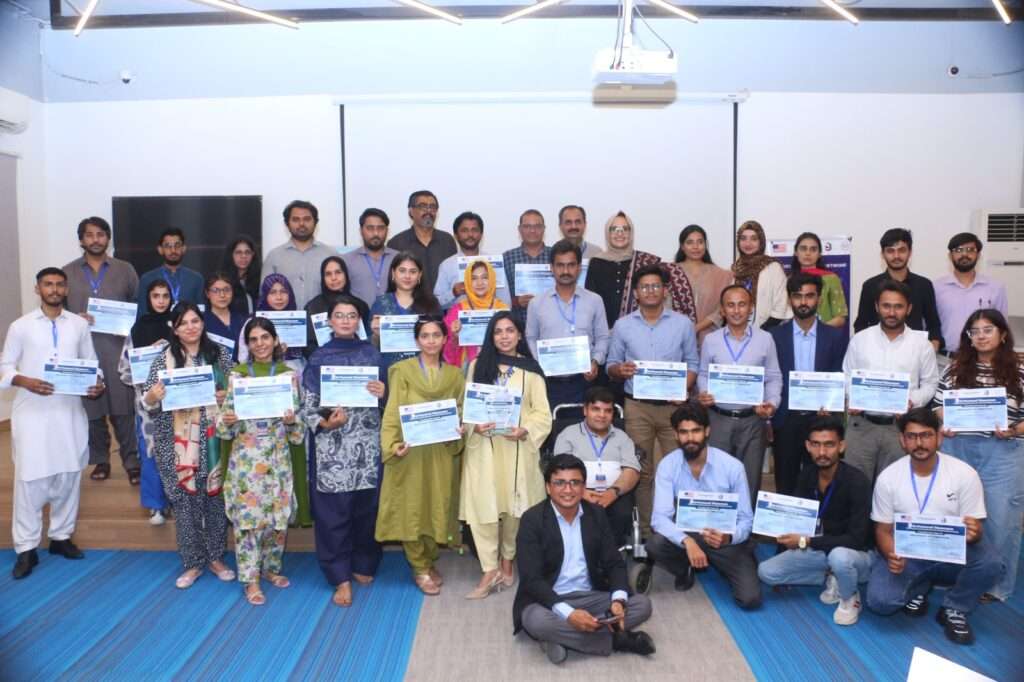
Through “AI-Powered Classrooms,” Kumar sought to translate that experience into practical skills that educators could take back to their schools. By enabling teachers to experiment directly with accessible AI tools, the workshop demonstrated how emerging technologies can support more creative, interactive, and digitally enabled learning environments.
The initiative also encouraged participants to continue experimenting with AI-assisted approaches, share useful practices with colleagues, and help students develop the critical digital skills needed to navigate emerging technologies responsibly.
By strengthening educators’ capacity to use artificial intelligence effectively and ethically, the PUAN Connect Grant contributes to broader efforts to advance digital literacy, innovation, and future-ready skills in Pakistan’s education sector.