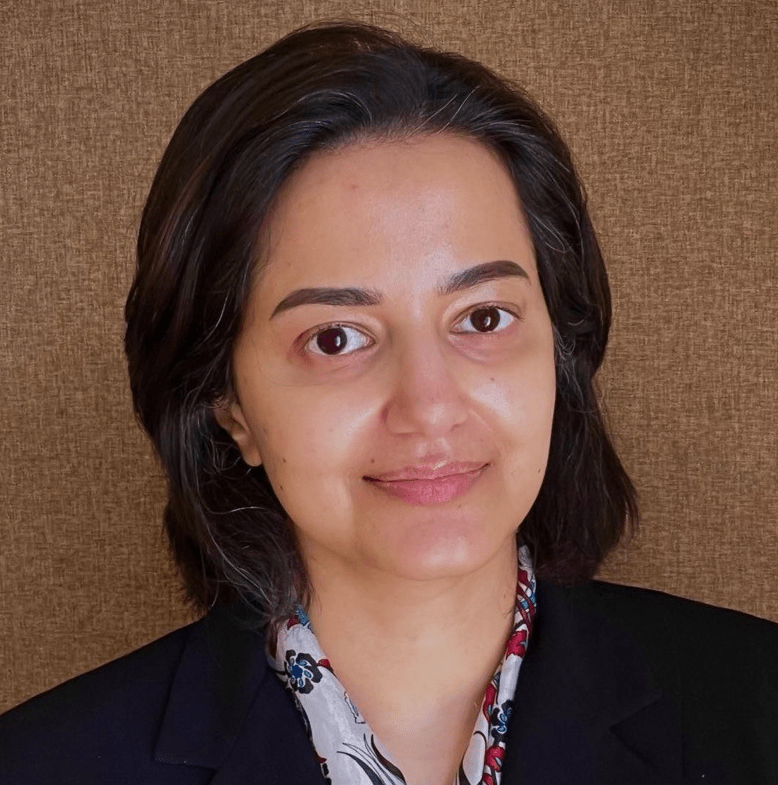
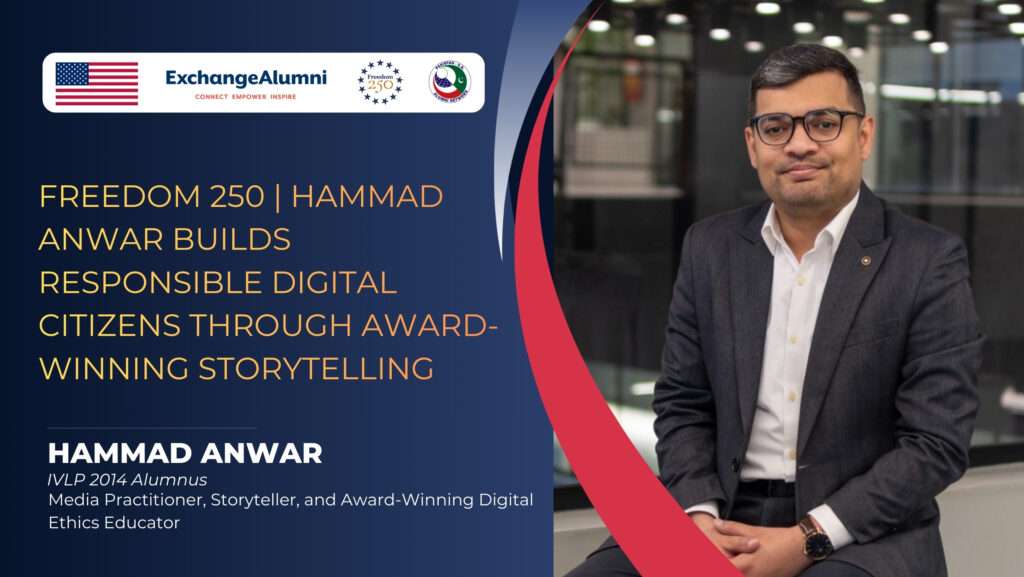
Meet Hammad Anwar, a Lahore-based storyteller, media practitioner, and International Visitor Leadership Program (IVLP) 2014 alumnus, whose innovative approach to youth technology education recently earned national recognition at the Pakistan-U.S. Alumni Network (PUAN) National Grants Seminar.
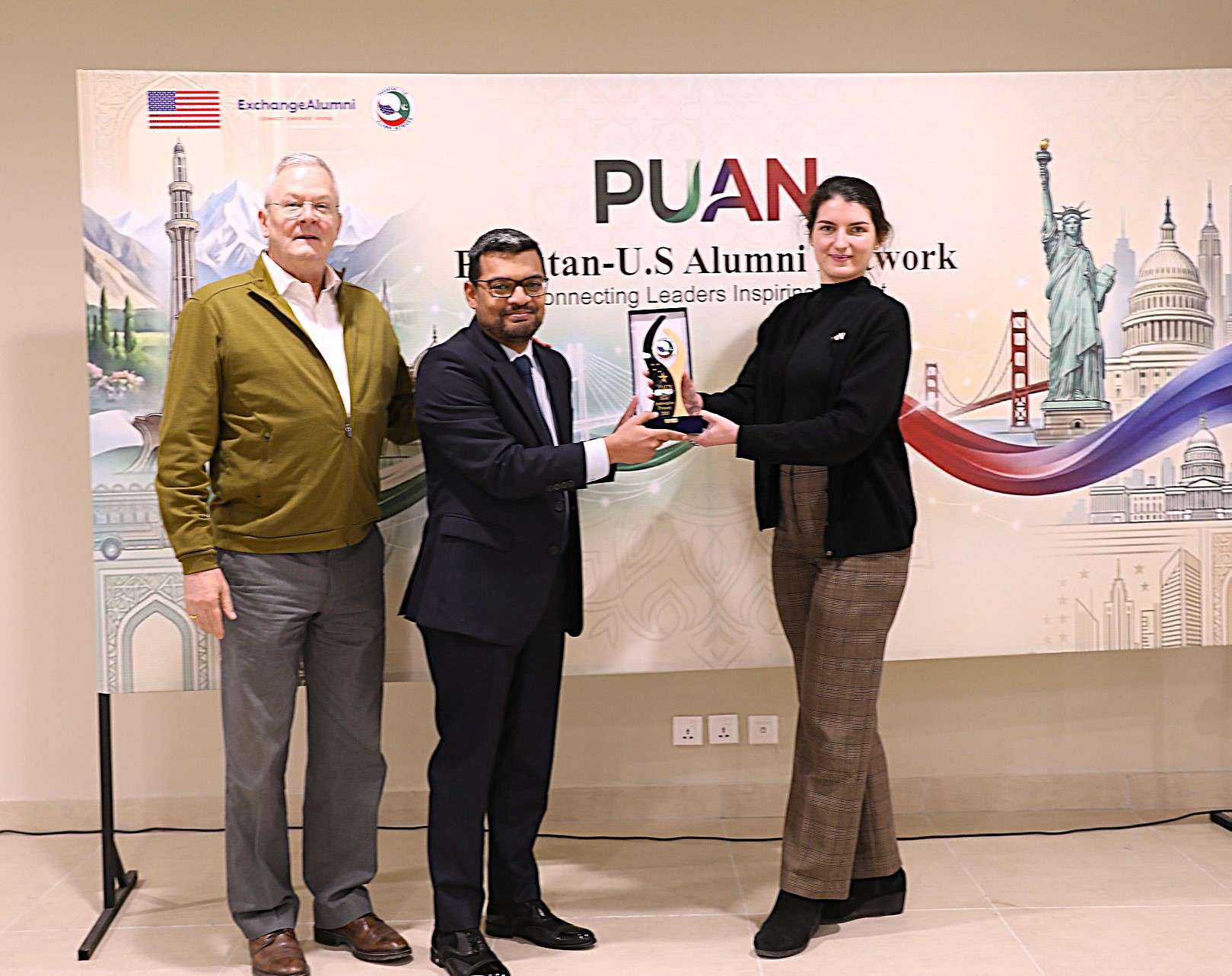
Hammad recently completed his PUAN Grants project, “Ethical Futures: A Storytelling Initiative for Responsible Tech Use Among Youth.” Based on the project’s original design, effective execution, and measurable community impact, he was awarded the Most Innovative Grant Award-First Position among alumni grantees from across Pakistan.
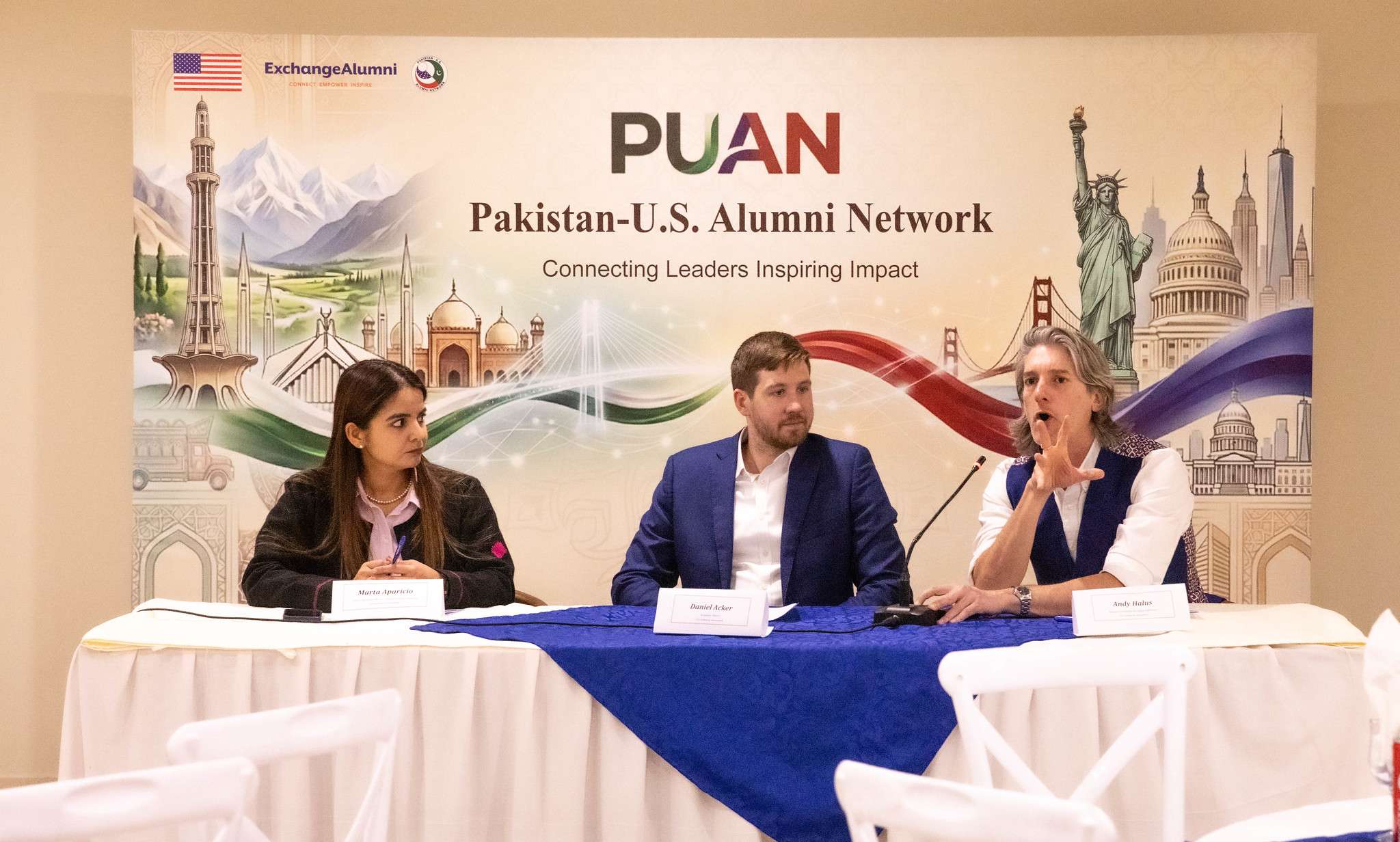
The recognition came during recent PUAN’s first-ever National Grants Seminar, organized in collaboration with the U.S. Mission in Pakistan, where 11 alumni presented exchange-driven initiatives demonstrating how global exposure translates into local solutions.
Hammad’s project stood out for answering one of today’s most urgent questions: How do we prepare young people to navigate technology responsibly in an AI-driven world?
From U.S. Exchange Experience to Local Innovation
For Hammad, storytelling has always been more than creative expression, it is a method for understanding complex realities.
His participation in the IVLP exchange program in the United States shaped his understanding of media literacy, civic responsibility, and ethical communication. Inspired by exposure to U.S. educational and creative ecosystems, he began exploring how narrative-based learning could help Pakistani youth critically engage with technology rather than passively consume it. That vision evolved into Ethical Futures, a 20-week initiative designed to strengthen digital citizenship among young people aged 13–20 through stories rooted in real online experiences.
Instead of lectures on online safety or artificial intelligence, students learned through relatable narratives, discussion-led sessions, and creative exploration.
Ethical Futures: Learning Technology Ethics Through Stories
The project combined media practice with education to create accessible learning tools, including:
- A bilingual storytelling-based book
- Urdu audiobooks for wider accessibility
- A teacher training manual
- A documentary capturing the project journey
Implemented across 8 schools, one college, and one university, the initiative directly engaged more than 840 students, followed by specialized training for 23 educators, enabling long-term replication of digital ethics education in classrooms.
All resources were released under Creative Commons licensing, ensuring open public access and sustainability beyond the grant period.
Students responded strongly to the conversational learning approach.
“It felt more like a discussion than a lecture,” shared one participant. “We learned how to stay safe online in a way we could actually relate to.”
Watch the Ethical Futures Documentary
The documentary offers an inside look at how storytelling transformed discussions around technology ethics, capturing classroom interactions, student reflections, and the broader journey of building responsible digital citizens.
Impact Beyond the Classroom
While Ethical Futures emphasized meaningful engagement over scale, its digital outreach exceeded expectations. Multimedia resources and audiobooks collectively reached over 120,000 online viewers, demonstrating the effectiveness of storytelling as a tool for public education.
For Hammad, the project reaffirmed an important lesson: when young people are trusted as thinkers and creators, they develop stronger ethical awareness and digital responsibility.
Advancing Freedom 250: Exchange to Impact
Hammad Anwar’s journey reflects the spirit of the Freedom 250 Alumni Storytelling Campaign, launched as part of the America 250 commemoration, celebrating 250 years of U.S. leadership, innovation, and global partnership.
His work exemplifies how U.S. exchange experiences translate into sustained people-to-people partnerships, innovation in education, and community leadership in Pakistan. By adapting ideas encountered through his U.S. exchange into locally relevant solutions, Hammad demonstrates the long-term value of educational diplomacy and alumni engagement.
Projects like Ethical Futures highlight how alumni continue strengthening U.S.–Pakistan collaboration through knowledge sharing, creativity, and ethical leadership. Through alumni like Hammad Anwar, PUAN proudly showcases how exchange experiences empower individuals to shape more informed, responsible, and connected societies, one story at a time.