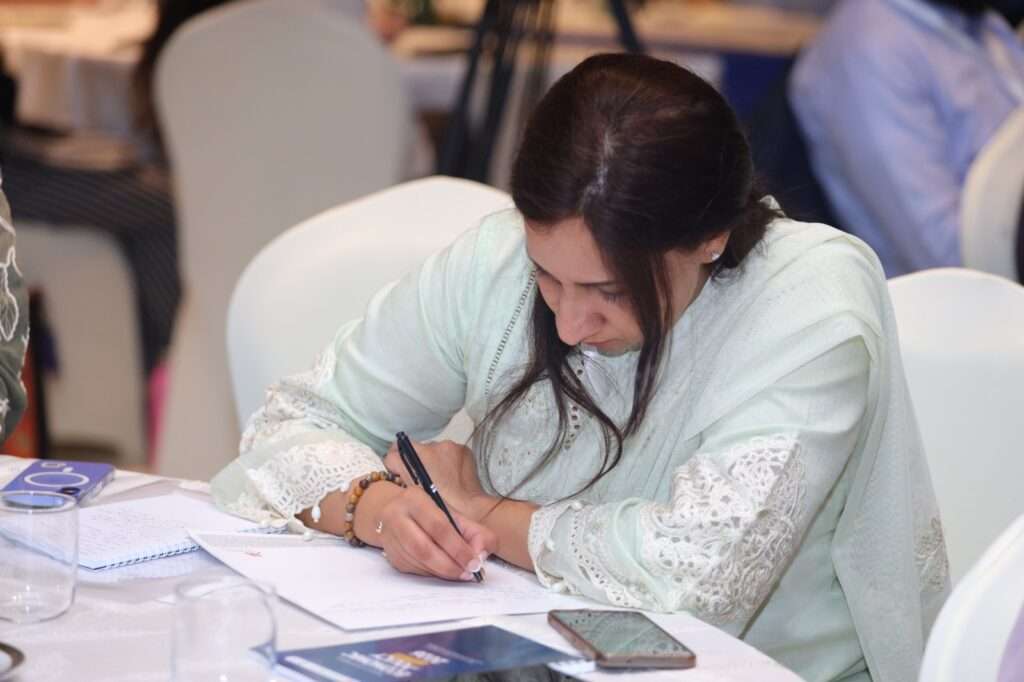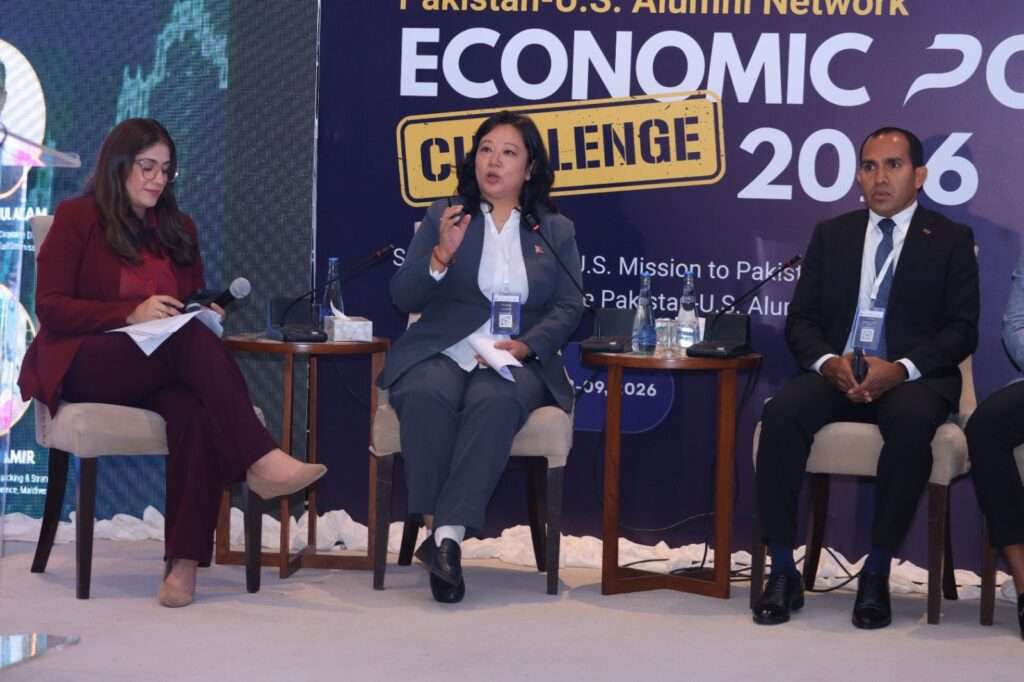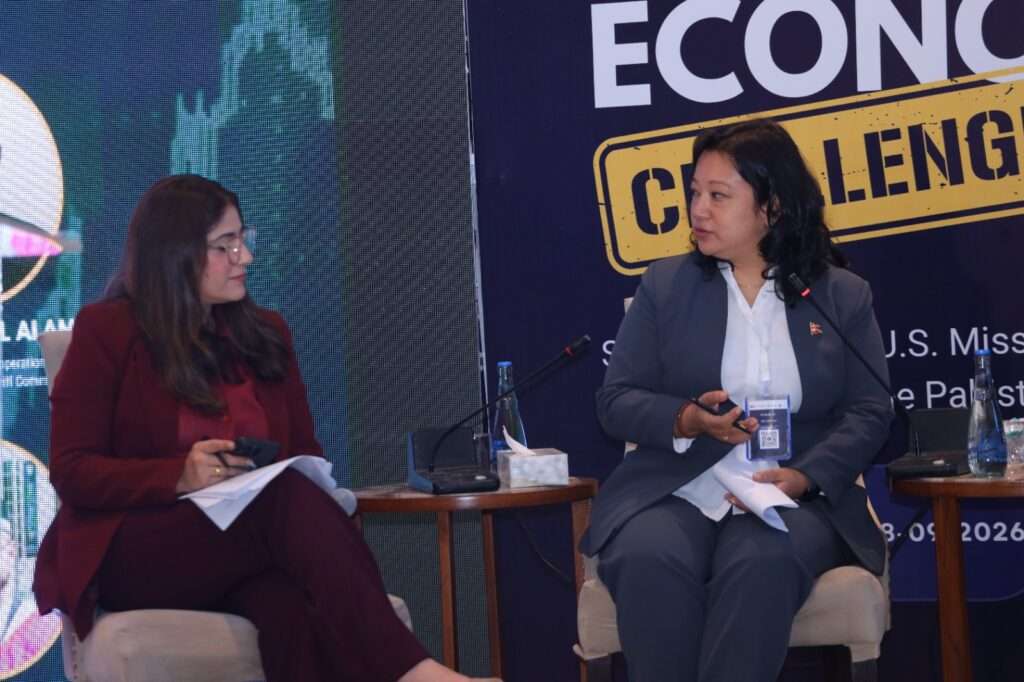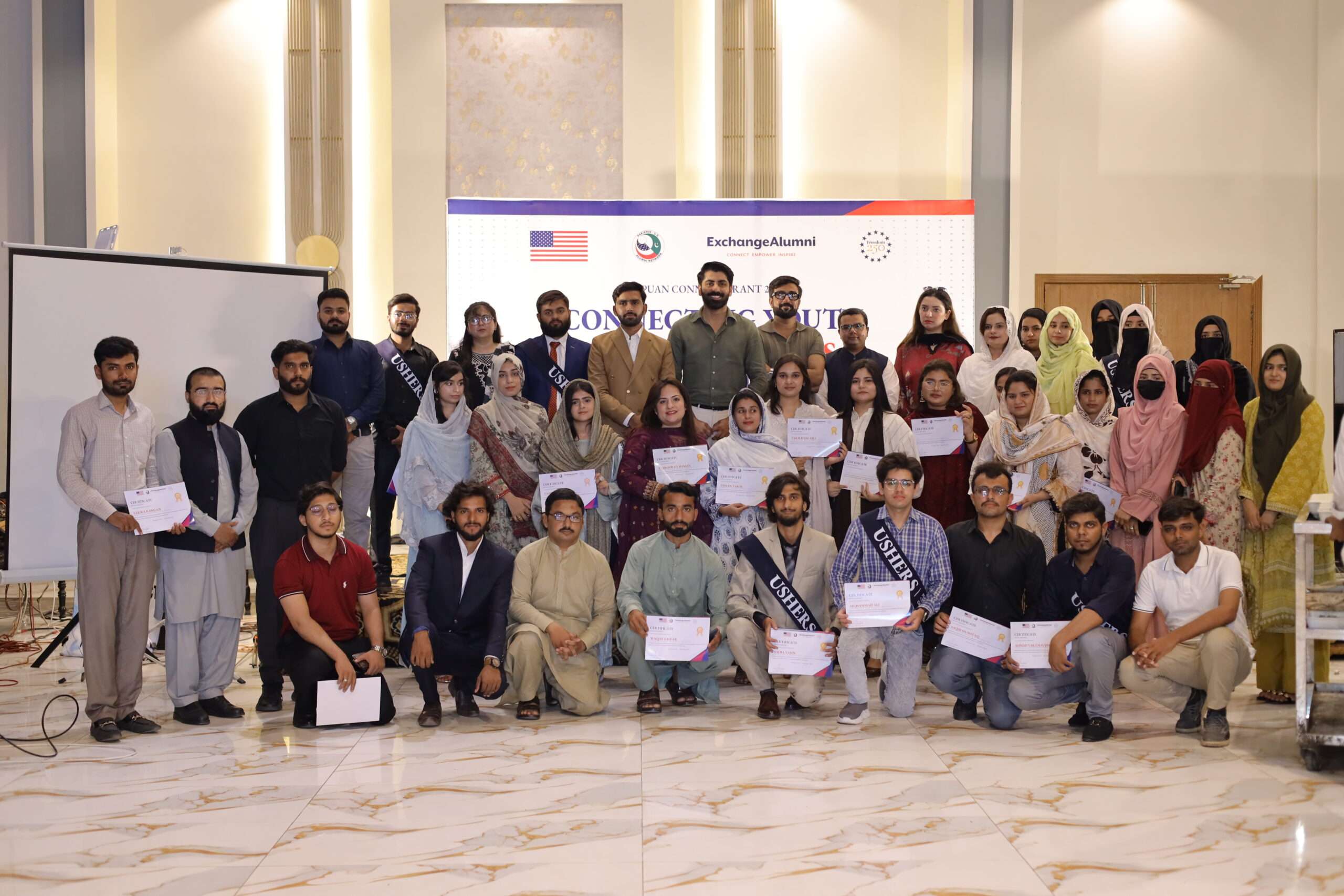
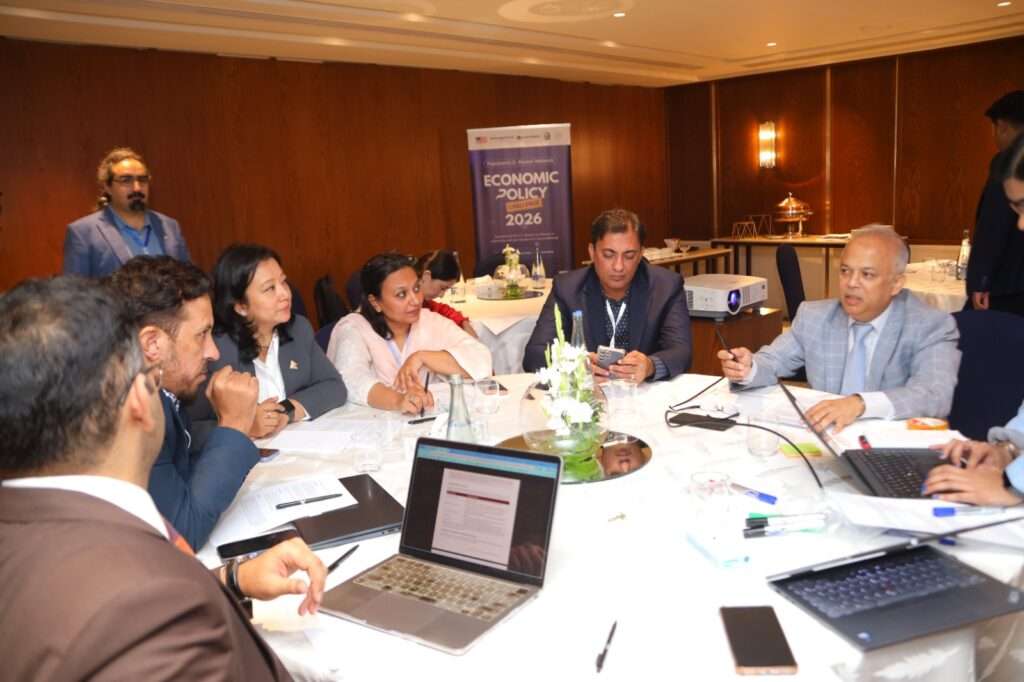
On September 08, 2026, 65 U.S. exchange alumni representing 14 chapters of the Pakistan-U.S. Alumni Network (PUAN) came together in Islamabad for Day 1 of the PUAN Economic Policy Challenge 2026, putting their exchange experiences and professional expertise to work on some of Pakistan’s key economic policy questions. Our participating alumni represented diverse U.S. government exchange programs including 17 Fulbright and 5 Humphrey fellows. Alumni were joined by six international participants from Sri Lanka, Maldives, Nepal, and Bangladesh, adding regional perspectives to the two-day Challenge.
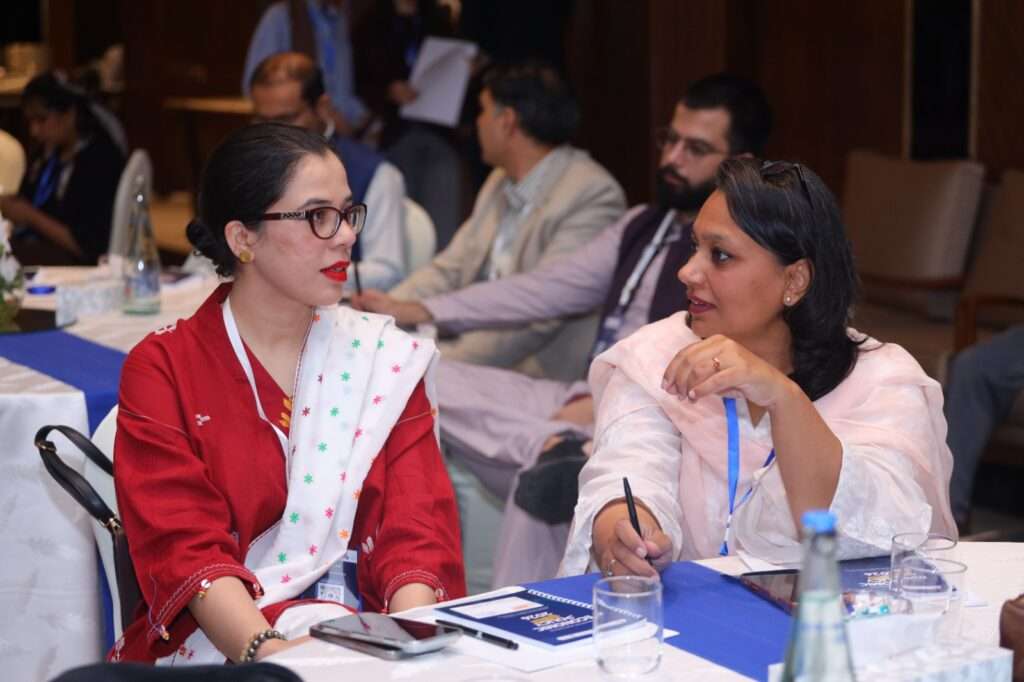
The first day centered on moving from identifying an economic challenge to diagnosing its core causes, determining what should be prioritized, and developing a practical roadmap for action. The official Challenge structure moved teams through orientation, case disclosure, problem diagnosis, policy design, and presentation preparation.
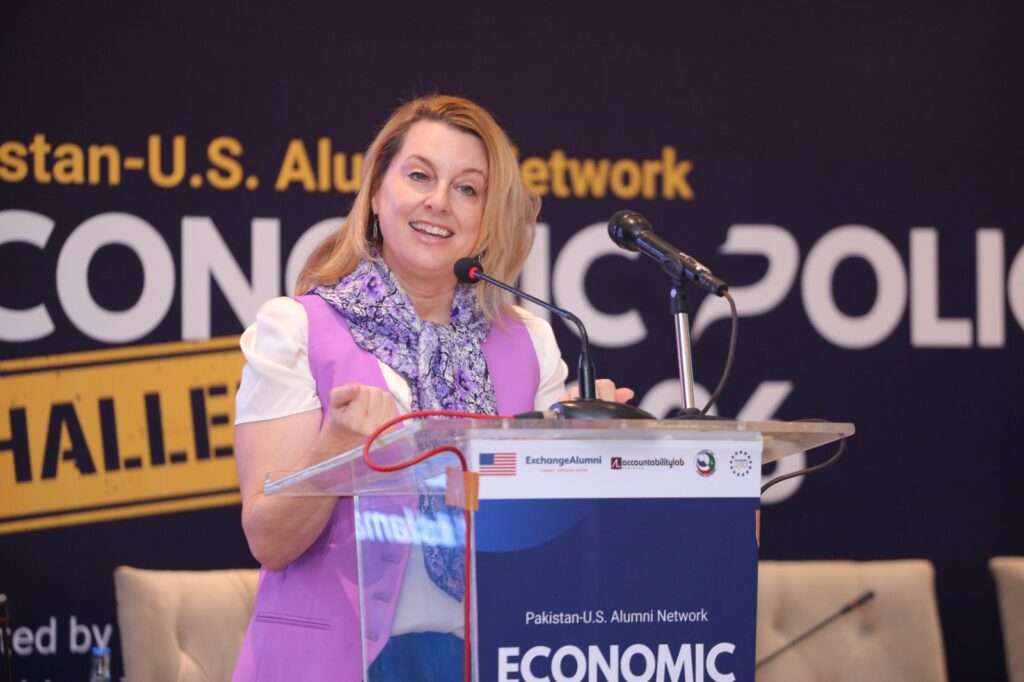
Opening the Challenge, Heidi Smith, Director of Public Engagement at the U.S. Embassy Islamabad, encouraged alumni to look beyond the symptoms of their assigned policy challenges. Her remarks emphasized identifying the core issue first, determining priorities, and developing a roadmap for where action should begin.
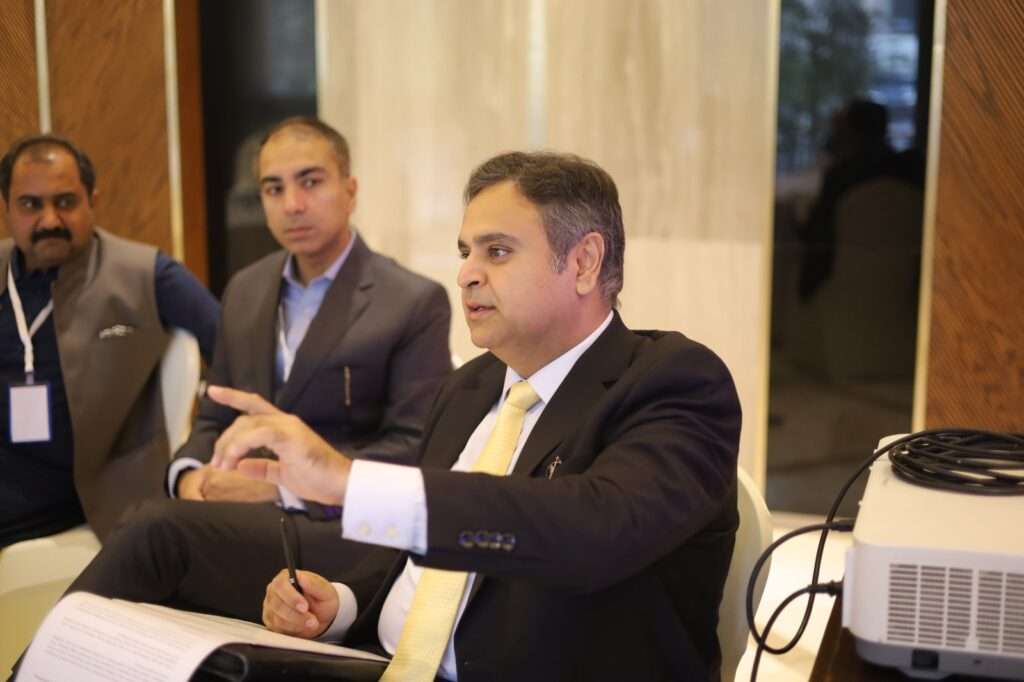
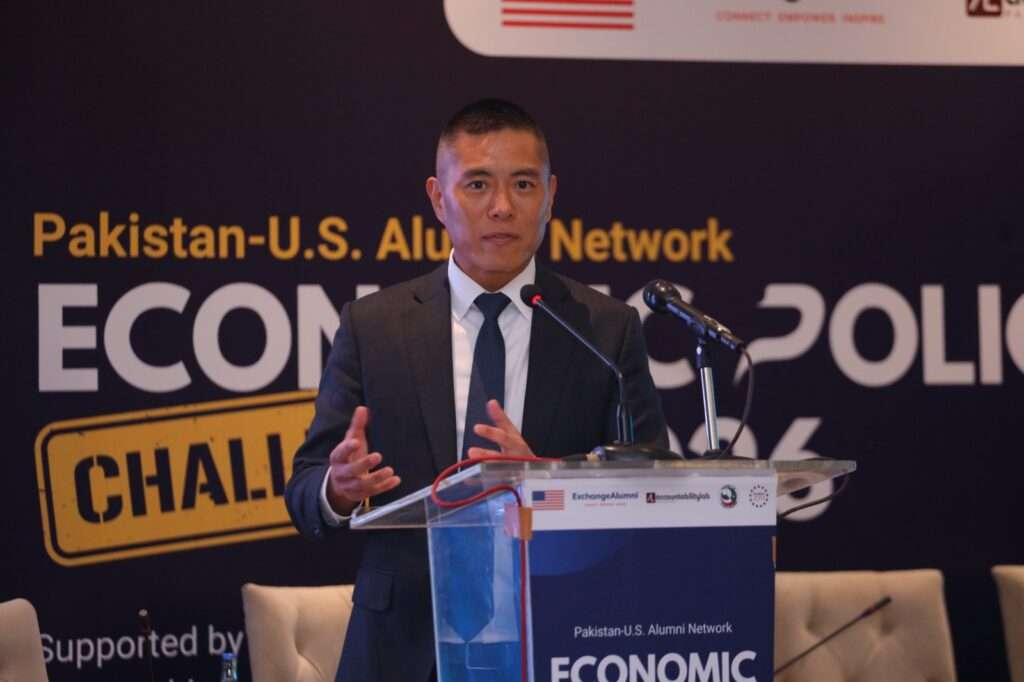
Jay Kim, Senior Trade and Investment Officer at the U.S. Embassy Islamabad, followed with an economic framing on Pakistan’s Economic Policy Choices and U.S.-Pakistan Commercial Engagement. His remarks emphasized the importance of listening to alumni and the perspectives and ideas they bring to discussions on economic policy and commercial engagement.
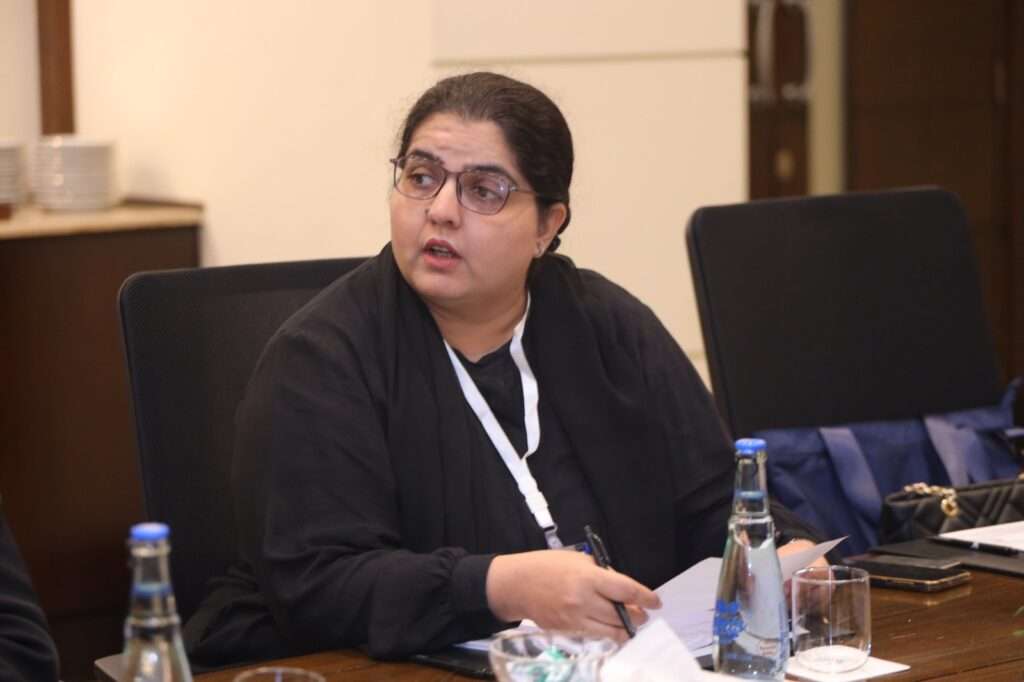
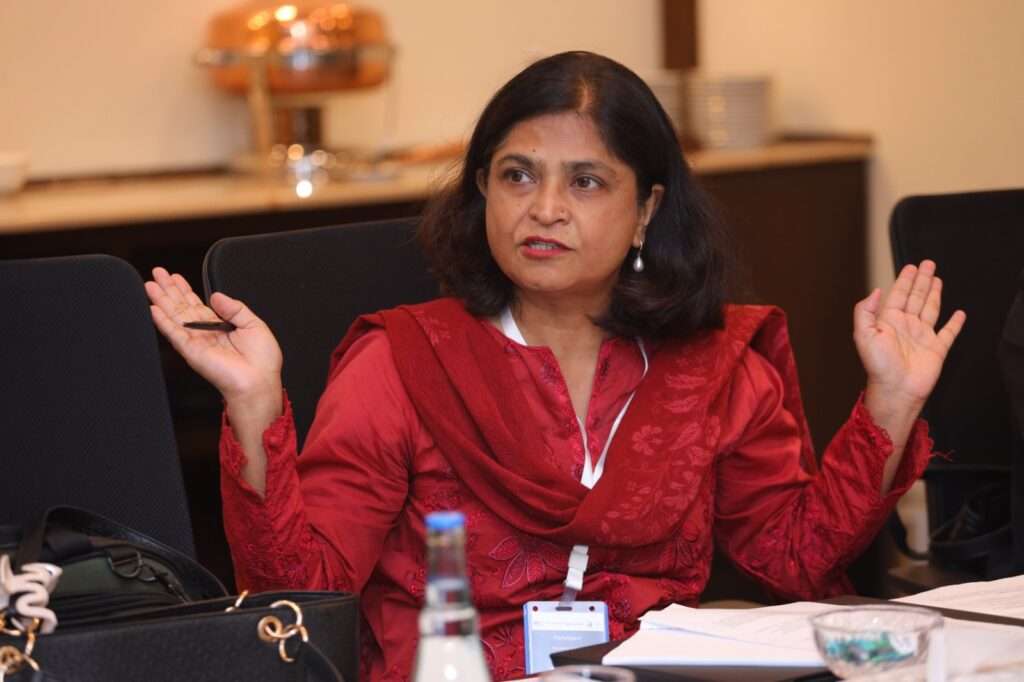
Ten Challenges, Ten Policy Roadmaps
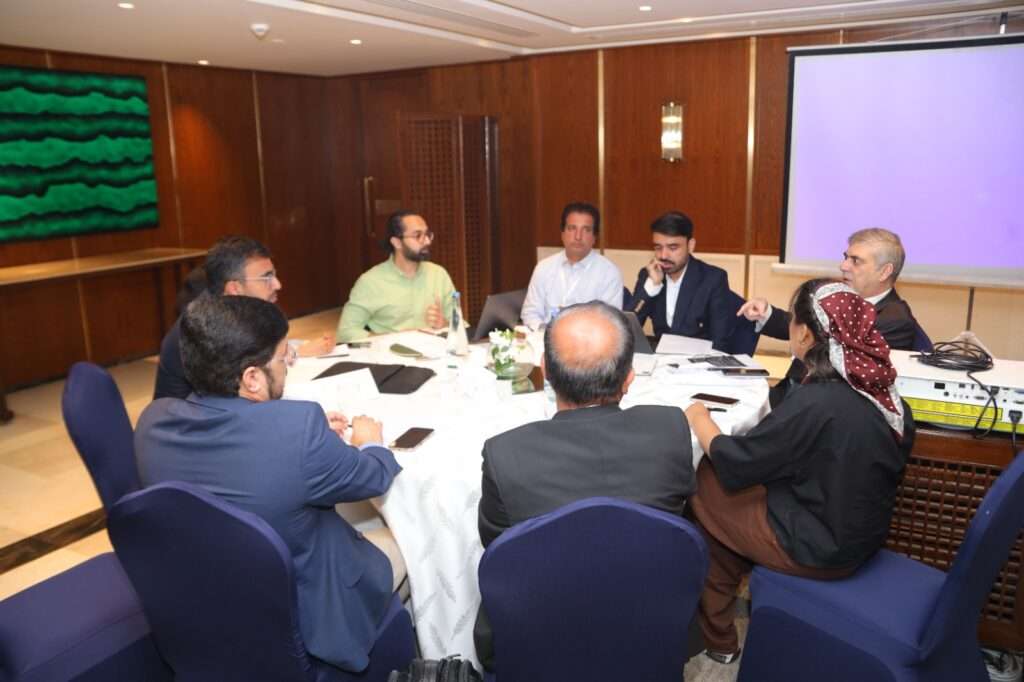
Working across ten thematic teams, participants examined policy questions spanning foreign investment and the business climate; Pakistan’s global brand; long-term economic and strategic planning; capital allocation and sector prioritization; government structures and institutional reform; trade and export competitiveness; energy security and reliability; technology and artificial intelligence; security and prosperity; and tax policy and public finance.
The themes challenged participants to consider practical questions affecting Pakistan’s economic future, including how the country can attract greater U.S. business investment, strengthen export competitiveness, prepare for an AI-driven economy, improve institutional effectiveness, strengthen investor confidence, and build a more effective tax system.
Teams began by diagnosing their assigned problems and mapping relevant stakeholders and constraints before moving into the generation of policy options, prioritization and trade-offs, consultations with resource persons, implementation planning, and policy-pitch development.
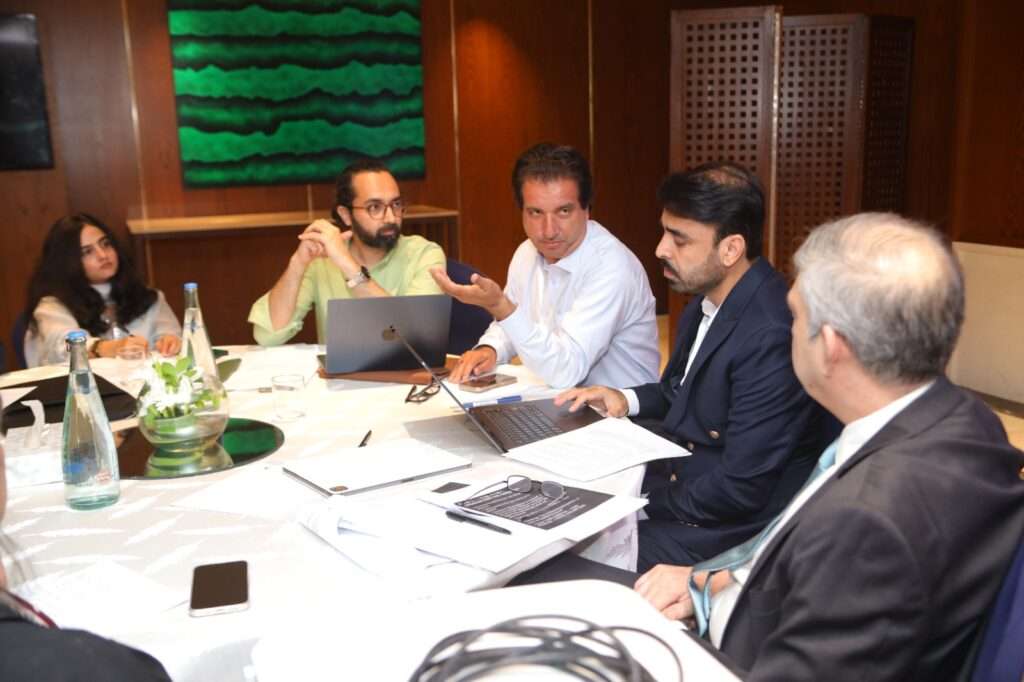
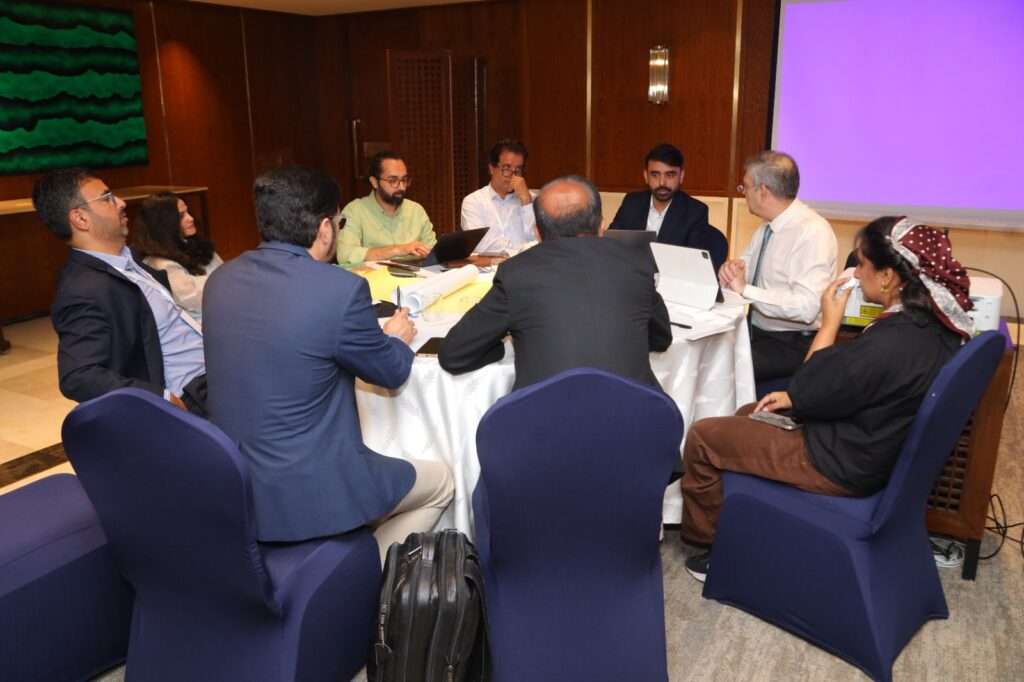
Putting U.S. Exchange Learning to Work
The Economic Policy Challenge 2026 also demonstrates the value of bringing exchange alumni back together around practical national priorities.
Through their U.S. exchange experiences, PUAN alumni have been exposed to American excellence, ideas, professional practices, innovation, and approaches to problem-solving across different fields. The Challenge creates an opportunity for alumni to draw on that learning alongside their own professional expertise and consider how relevant approaches can be adapted to Pakistan’s economic and institutional context.
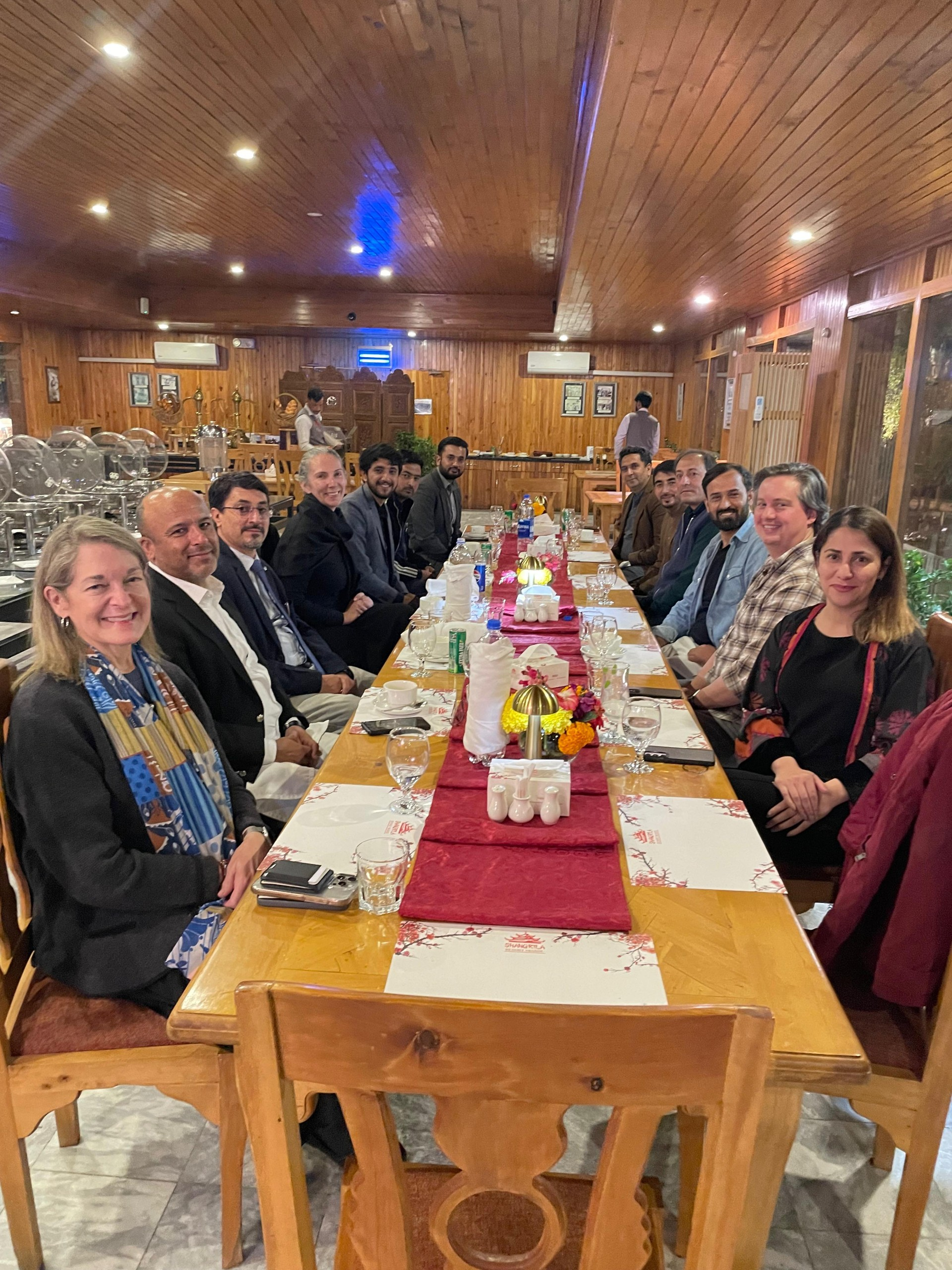
The participation of alumni from 14 PUAN chapters brought perspectives from across Pakistan into that process, while participants from Sri Lanka, Maldives, Nepal, and Bangladesh contributed a broader regional dimension. The program also featured a dedicated regional economic policy discussion with U.S. government exchange alumni from the four countries.
By the end of Day 1, the focus had shifted from identifying challenges to preparing recommendations: teams were developing policy pitches designed to demonstrate how their analysis could translate into implementable proposals.
On Day 2, the ten teams will present their recommendations before a jury, respond to questions, and receive structured feedback on their proposed solutions.
Stay tuned for more.