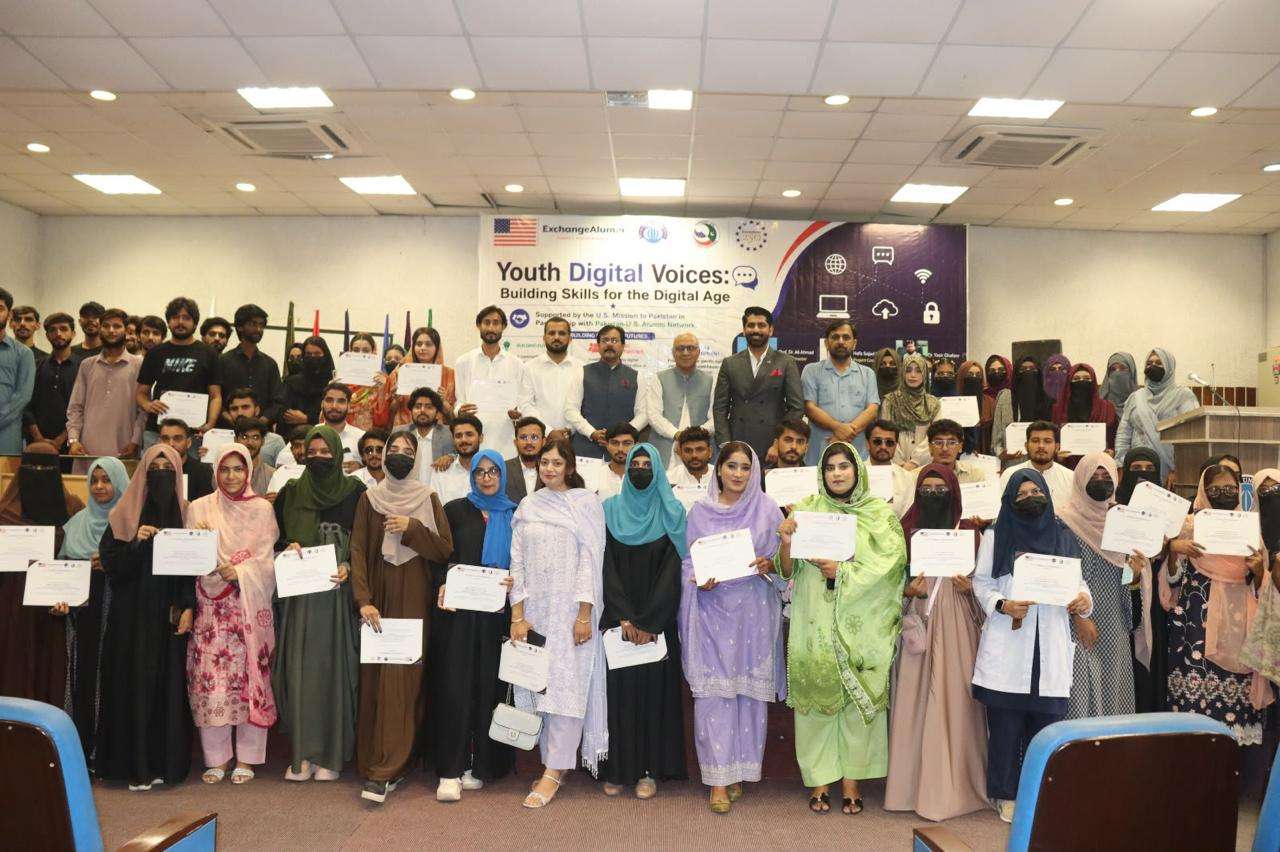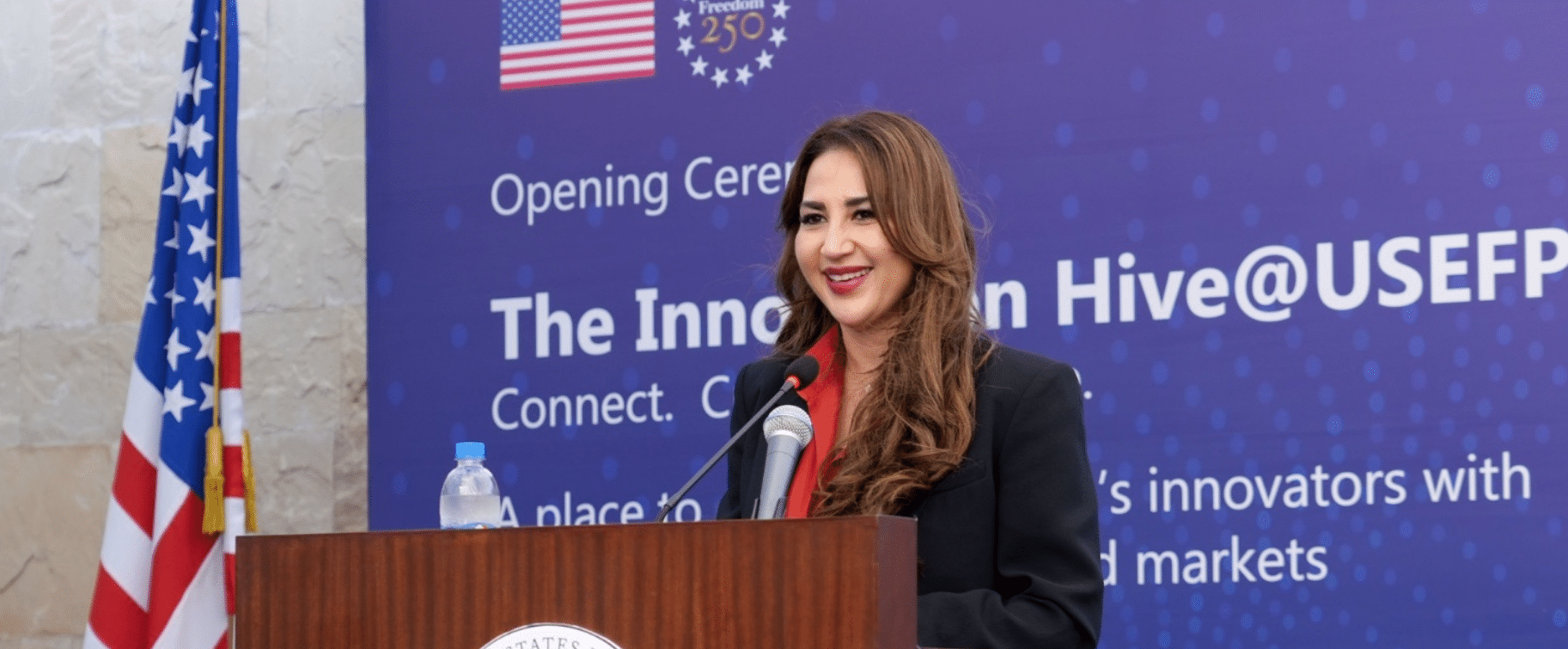
Islamabad, June 9, 2026: Day 2 of the PUAN Masterclass 2026 E-Commerce and Digital Trade: Building Pakistan-U.S. Economic Partnerships immersed participants in the practical foundations of building and operating successful online businesses under the theme “The Digital Storefront: Infrastructure for Global Sales.”
Organized by the Pakistan-U.S. Alumni Network (PUAN) in partnership with Tech Valley Pakistan and with the support of the U.S. Mission to Pakistan, the second day moved participants from business planning and market research into the hands-on process of establishing digital sales channels and understanding payment systems for local and international customers.
The day began with an intensive prototype lab led by Fahad Malik, entrepreneur and founder of Lumu.pk, Scale Digitals, and 360 Communications. Participants were guided through the process of building their first Shopify stores, learning how to create storefronts, add products, customize themes, configure checkout settings, and prepare their businesses for future growth.
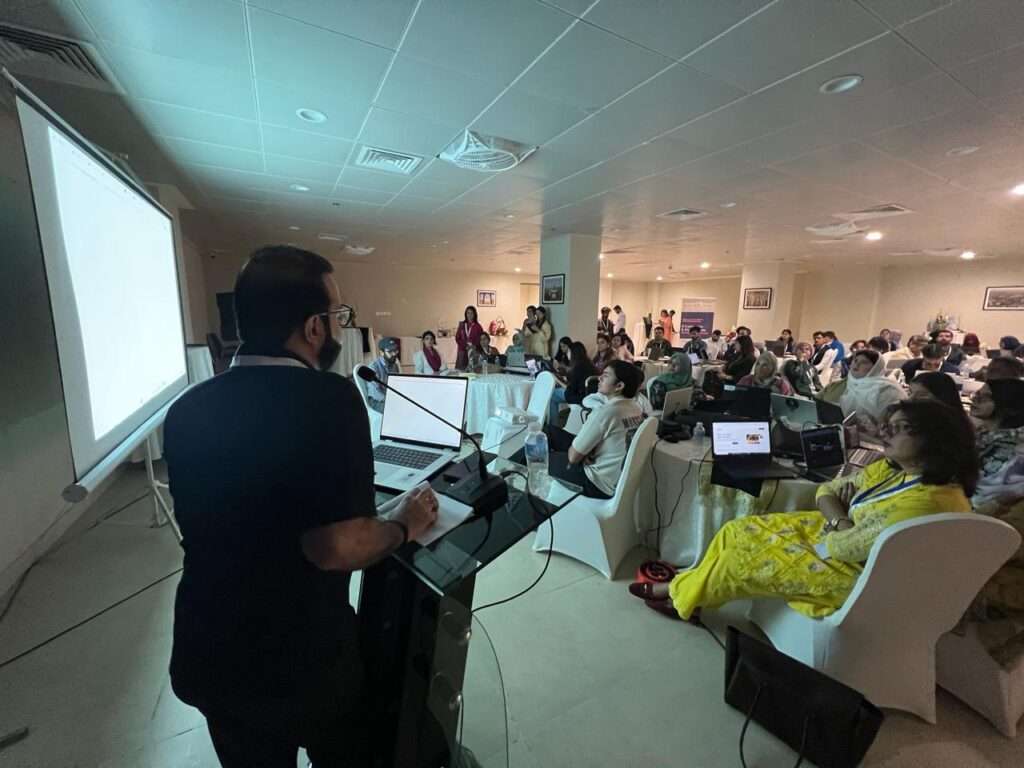
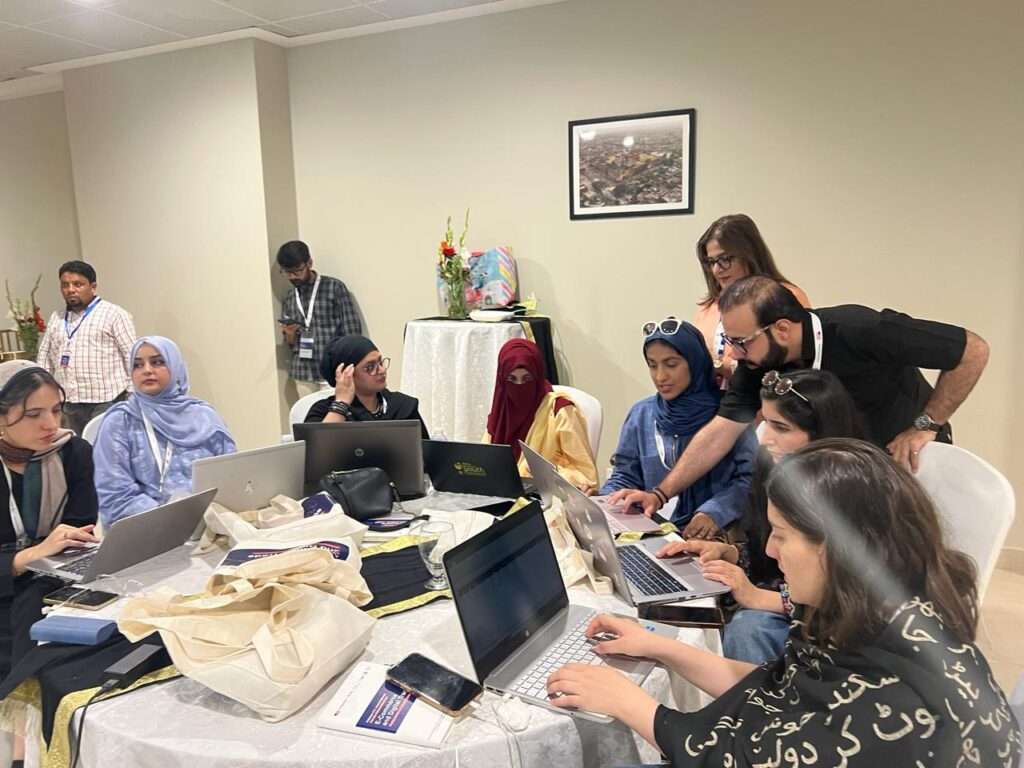
During the session, participants explored the differences between WordPress and Shopify, learned about domain registration, hosting requirements, payment integrations, and shipping configurations, and gained practical insights into managing inventory, orders, and customer experiences. The workshop emphasized that entrepreneurs should focus on validating products, planning logistics, and developing marketing strategies before investing heavily in paid tools or store upgrades.
The session also introduced participants to a range of e-commerce solutions available to Pakistani entrepreneurs, including Shopify, DigiDukaan, PayFast, XPay, and various logistics providers. Discussions highlighted the importance of creating clear refund policies, privacy policies, shipping policies, and customer-friendly checkout experiences to build trust and credibility.
A major focus of the morning was product presentation and branding. Participants learned how to create compelling product listings, optimize store layouts, and use digital tools to enhance product photography and marketing materials. They were introduced to several AI-powered applications that can generate product mockups, virtual photoshoots, and promotional content, helping small businesses create professional-looking marketing assets at a fraction of traditional costs.
The afternoon shifted toward one of the most frequently asked questions among aspiring online sellers: How do I get paid?
Leading the session was Usman Alam, Co-Founder and Director of Scale Squad and a government-authorized e-commerce trainer. Drawing from his personal entrepreneurial journey and years of experience in digital commerce, he provided participants with a comprehensive overview of local and international payment ecosystems.
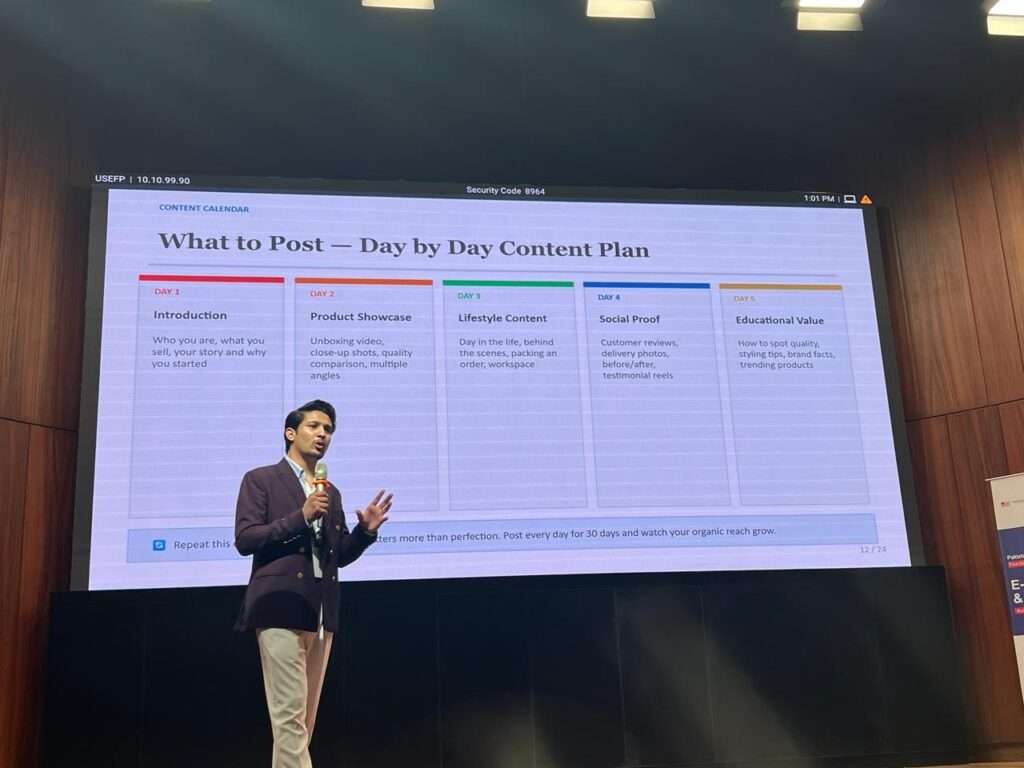
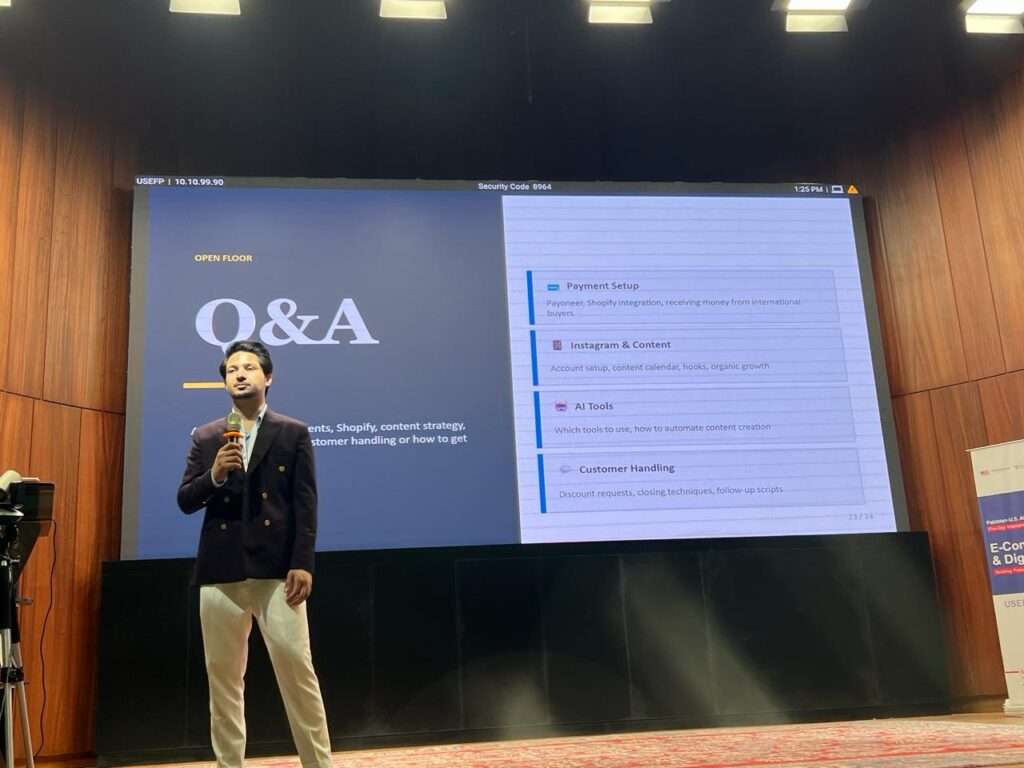
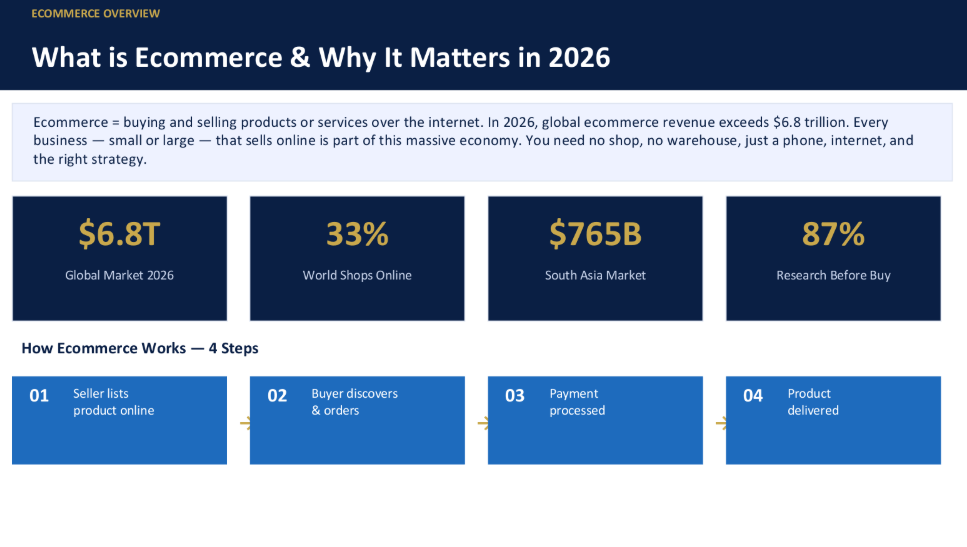
Usman Alam highlighted the immense scale of the global e-commerce economy, noting that global online commerce has surpassed $6.8 trillion, while South Asia represents a market worth approximately $765 billion. He emphasized that Pakistan’s own e-commerce sector continues to grow rapidly, creating significant opportunities for entrepreneurs willing to embrace digital business models.
Participants explored why many international payment platforms such as PayPal and Stripe remain unavailable to Pakistani merchants and examined alternative solutions that enable Pakistani businesses to operate globally. The session covered Payoneer, Wise, SWIFT transfers, Western Union, and local payment gateways including JazzCash, Easypaisa, and bank-integrated payment solutions.
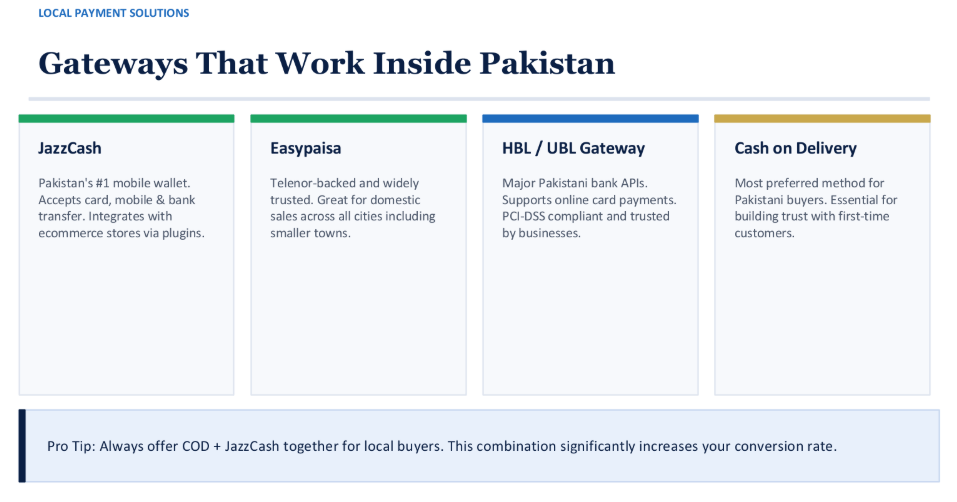
A key takeaway for participants was the importance of establishing reliable payment systems before launching their businesses. Usman Alam recommended Payoneer as one of the most accessible options for receiving international payments and walked participants through the account setup process, compliance requirements, and Shopify integration pathways. He also advised entrepreneurs serving local markets to offer both Cash on Delivery (COD) and digital wallet options to maximize customer trust and conversion rates.
Beyond payments, the session explored the building blocks of a strong online brand. Participants received practical guidance on creating effective Instagram business profiles, optimizing bios and highlights, developing content strategies, and leveraging organic growth techniques to attract customers.
Using real-world examples from successful Pakistani brands such as LAMA Retail, Crumble Pakistan, Scents N Stories, and Mad Dental Care, participants examined how local entrepreneurs have used storytelling, community building, and digital marketing to scale their businesses from small startups into nationally recognized brands.
The day concluded with an engaging discussion on content creation and artificial intelligence. Participants explored how tools such as Gemini, Claude, ChatGPT, Canva AI, and CapCut AI can support research, content planning, product descriptions, customer communication, and social media marketing. They also learned practical techniques for creating compelling content, building audience engagement, and understanding customer psychology in digital commerce.
As part of their ongoing assignments, participants were tasked with further developing their Shopify stores, refining product listings, finalizing brand identities, and preparing content strategies for their businesses.
From digital storefront creation and payment infrastructure to content strategy and AI-powered marketing, Day 2 equipped participants with practical tools to begin transforming ideas into viable online businesses capable of reaching customers both in Pakistan and around the world.
The Masterclass continues tomorrow with a focus on logistics, fulfillment, and industry exposure as participants explore the operational side of digital commerce and export growth.