Islamabad, June 10, 2026: Day 3 of the PUAN Masterclass 2026 ‘E-Commerce and Digital Trade: Building Pakistan-U.S. Economic Partnerships‘ focused on helping participants understand the systems, operations, and strategic thinking required to build sustainable businesses in the global digital economy.
Organized by the Pakistan-U.S. Alumni Network (PUAN) in partnership with Tech Valley Pakistan and with the support of the U.S. Mission to Pakistan, the day’s activities combined industry exposure, practical planning, and expert guidance on export growth.
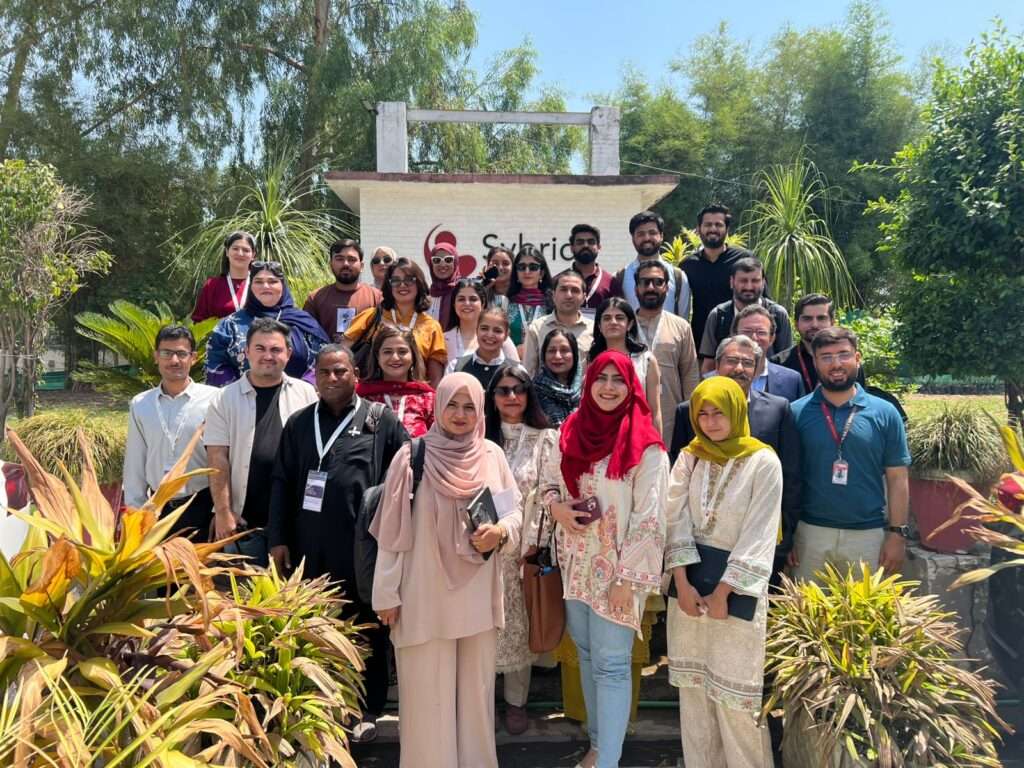
The day began with an off-site visit to Sybrid Pvt. Ltd., one of Pakistan’s leading business process outsourcing and customer experience management companies. Participants visited the company’s operational facilities in two groups and observed how technology-enabled organizations manage customer support, business processes, and e-commerce-related services at scale.
The visit offered participants a practical understanding of how operational systems, customer experience management, and process efficiency contribute to business growth. It also demonstrated the importance of integrating technology with strong organizational systems to deliver consistent results.
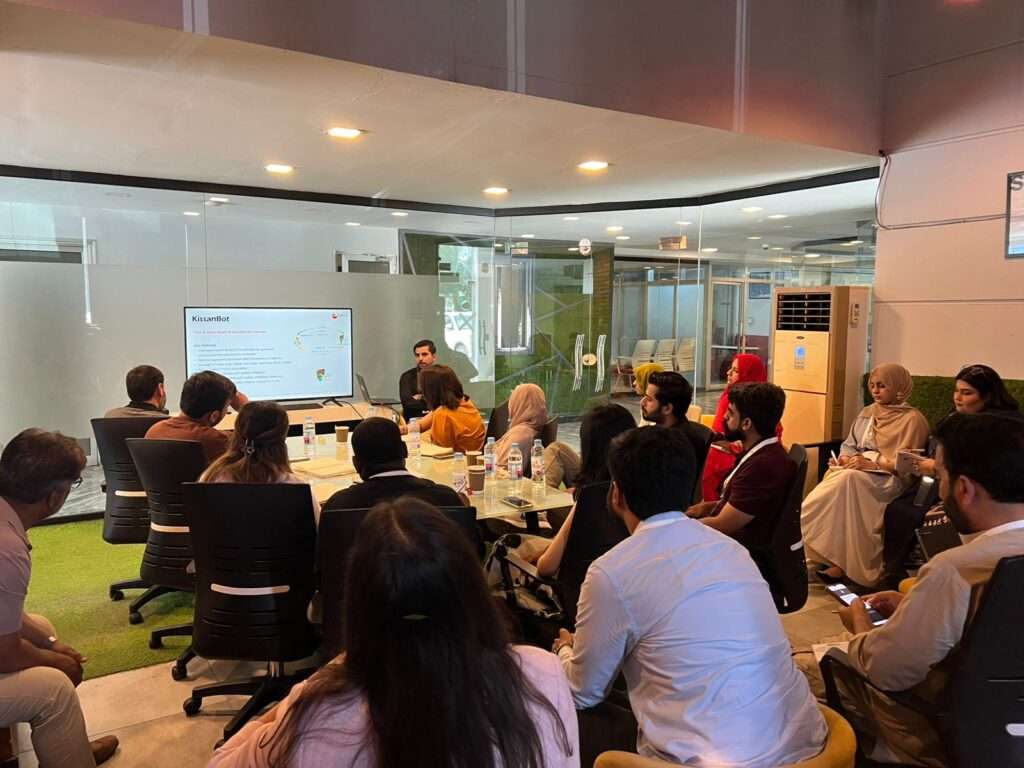
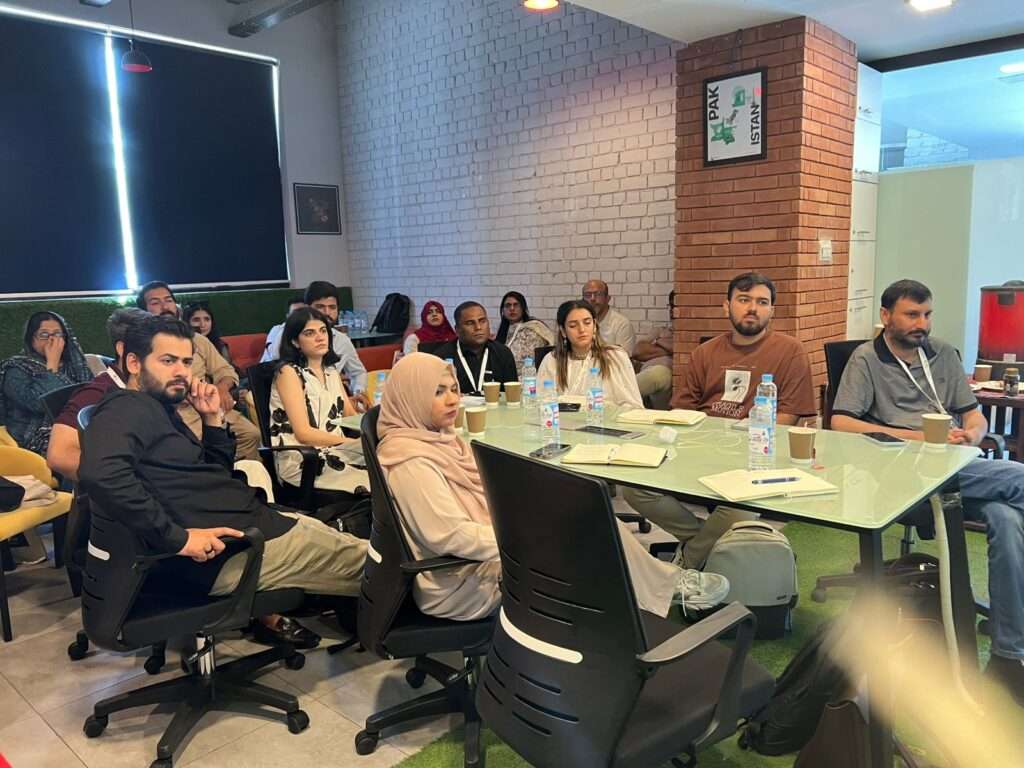
While one group visited Sybrid, the second group remained at USEFP and continued work on their six-month export roadmaps. Participants received guidance on using Google Classroom to manage assignments and submit their roadmap milestones throughout the six-month implementation period. They were also introduced to NotebookLM, Google’s AI-powered research and knowledge management tool, and explored ways to use it for market research, business planning, idea development, and organizing information relevant to their ventures.
Following the field visit, participants reconvened for an afternoon session titled “The Export Mindset: A Practical Guide for Small and Medium Enterprises” led by Ather Imran.
The session challenged participants to think beyond products and websites and focus on building complete business ecosystems capable of supporting sustainable growth and international expansion.
Ather Imran emphasized that successful businesses are built on interconnected capabilities rather than individual tools or technologies: “It is not about technology; it is about the entire ecosystem.”
Participants explored the key building blocks of successful e-commerce enterprises, including: product capability, supply chain capability, payment capability, logistics capability and technology capability. The session highlighted that e-commerce is much more than creating a website or opening an online store. Sustainable growth requires a combination of quality products, efficient inventory management, reliable payment systems, effective logistics, strong customer service, regulatory compliance, and technology infrastructure working together as one integrated system.
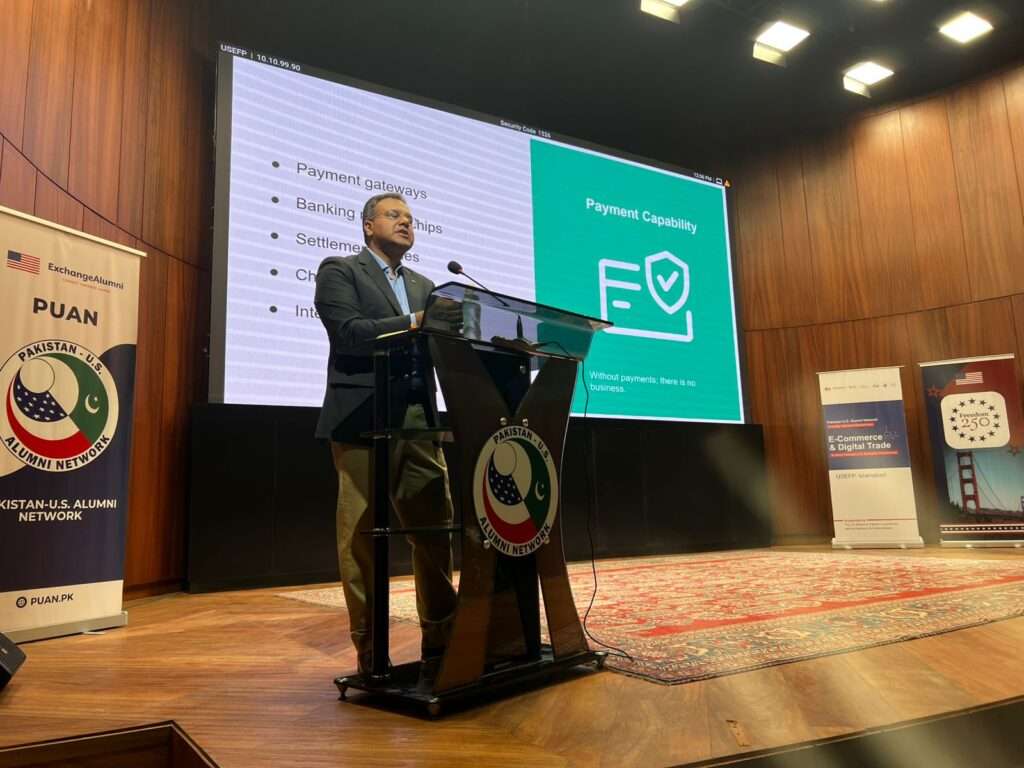
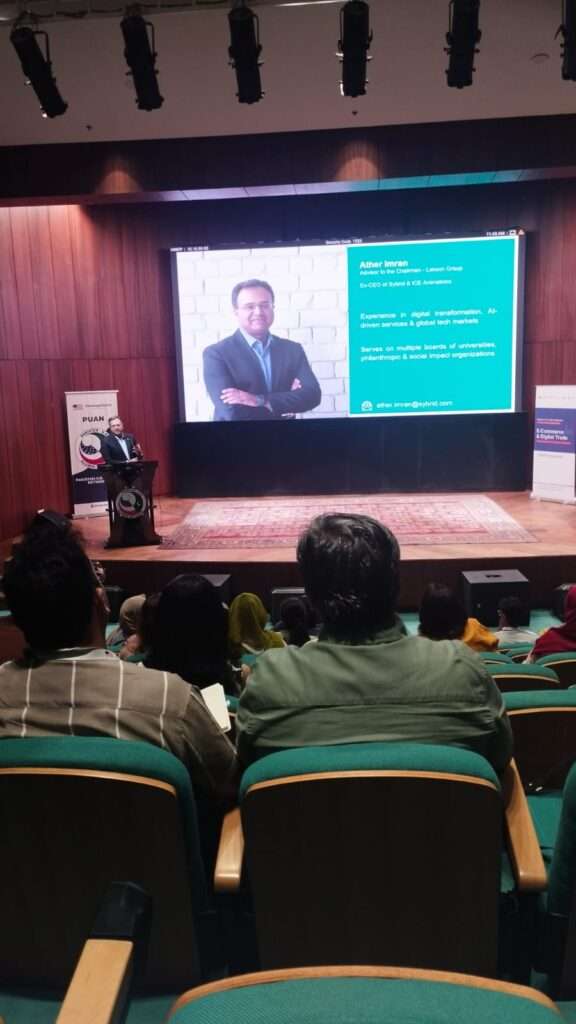
Ather Imran also challenged participants to rethink how they view technology within their businesses. “Many companies treat technology as an expense. International companies treat technology as infrastructure.”
Participants discussed how investing in the right systems can create long-term efficiencies and growth opportunities, while short-term cost-saving decisions often become barriers to future expansion. Several key insights resonated strongly with participants throughout the session: “Organizations don’t rise to the level of their talent; they fall to the level of their systems.” He also shared that “”The wrong system may save money today. It will cost growth tomorrow.”
The discussion also explored export-oriented growth strategies for small and medium enterprises. Participants were encouraged to think beyond local markets and develop business models capable of serving international customers.
According to Ather Imran, businesses seeking significant growth should build with exports in mind from the beginning. “If you want to scale, your business should ultimately aim to generate the majority of its revenue from international markets.”
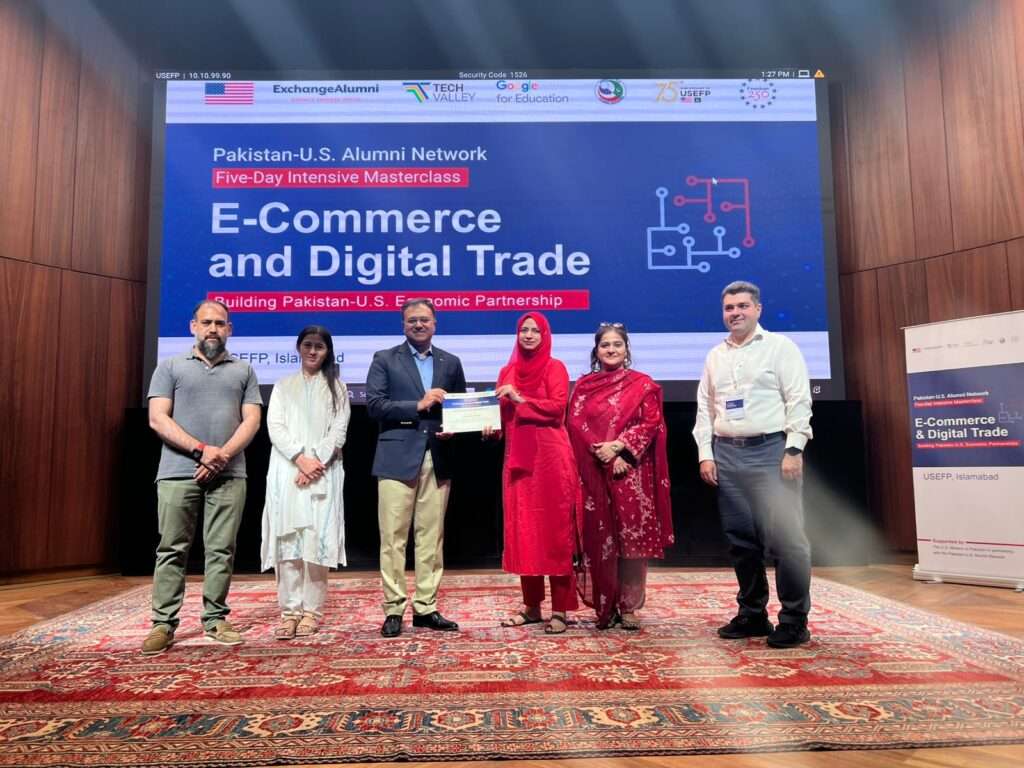
The day concluded with an interactive question-and-answer session and participant assessments, allowing attendees to reflect on the operational, technological, and strategic components necessary for long-term business success.
By combining industry exposure, digital tools, and export-focused business strategy, Day 3 reinforced a central lesson of the Masterclass: successful businesses are not built through technology alone. They are built through systems, processes, and strategic execution that enable sustainable growth and global competitiveness.
As the Masterclass continues, participants will explore artificial intelligence, social commerce, and business scaling strategies while further refining their export roadmaps and digital business models.