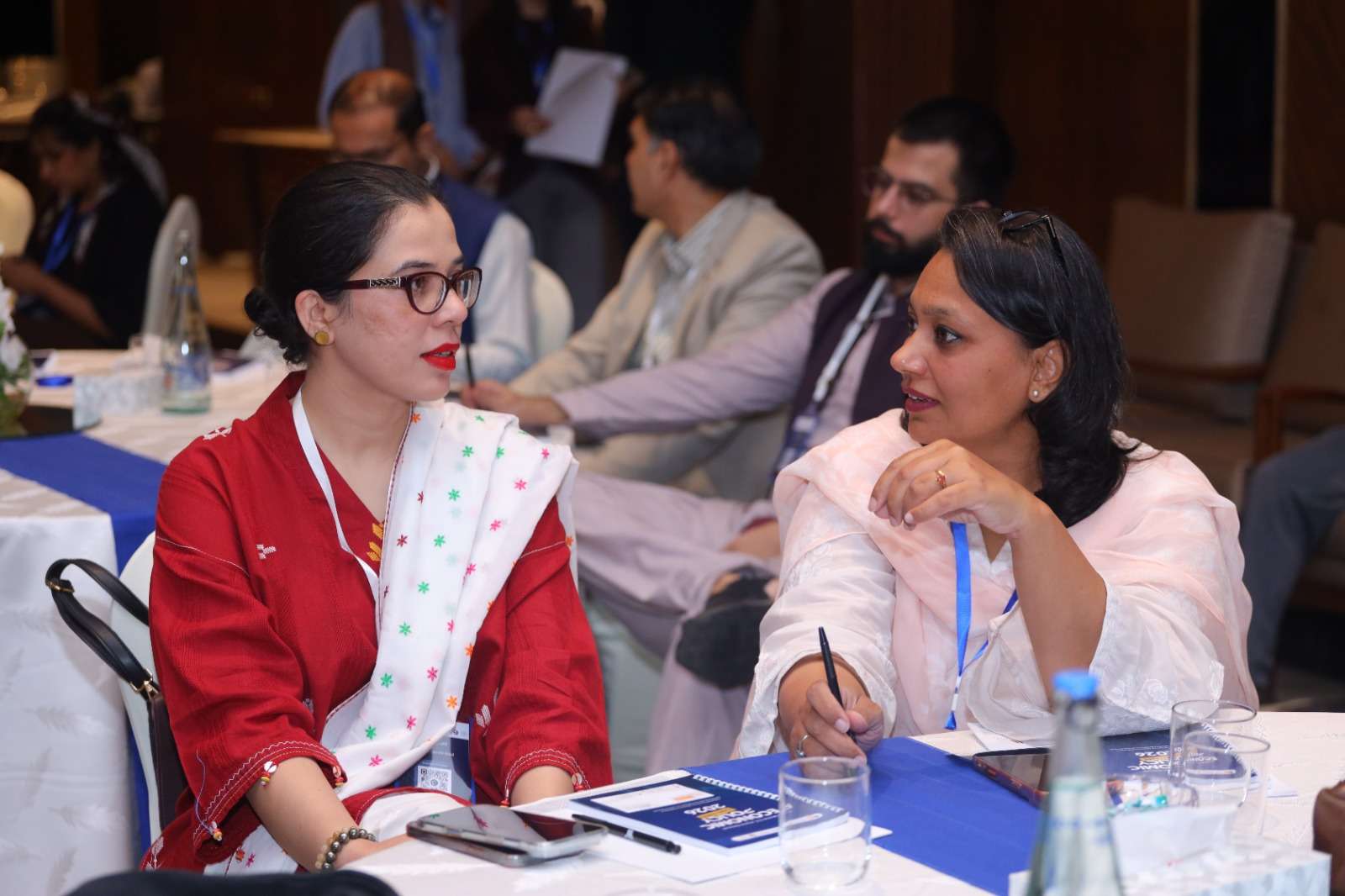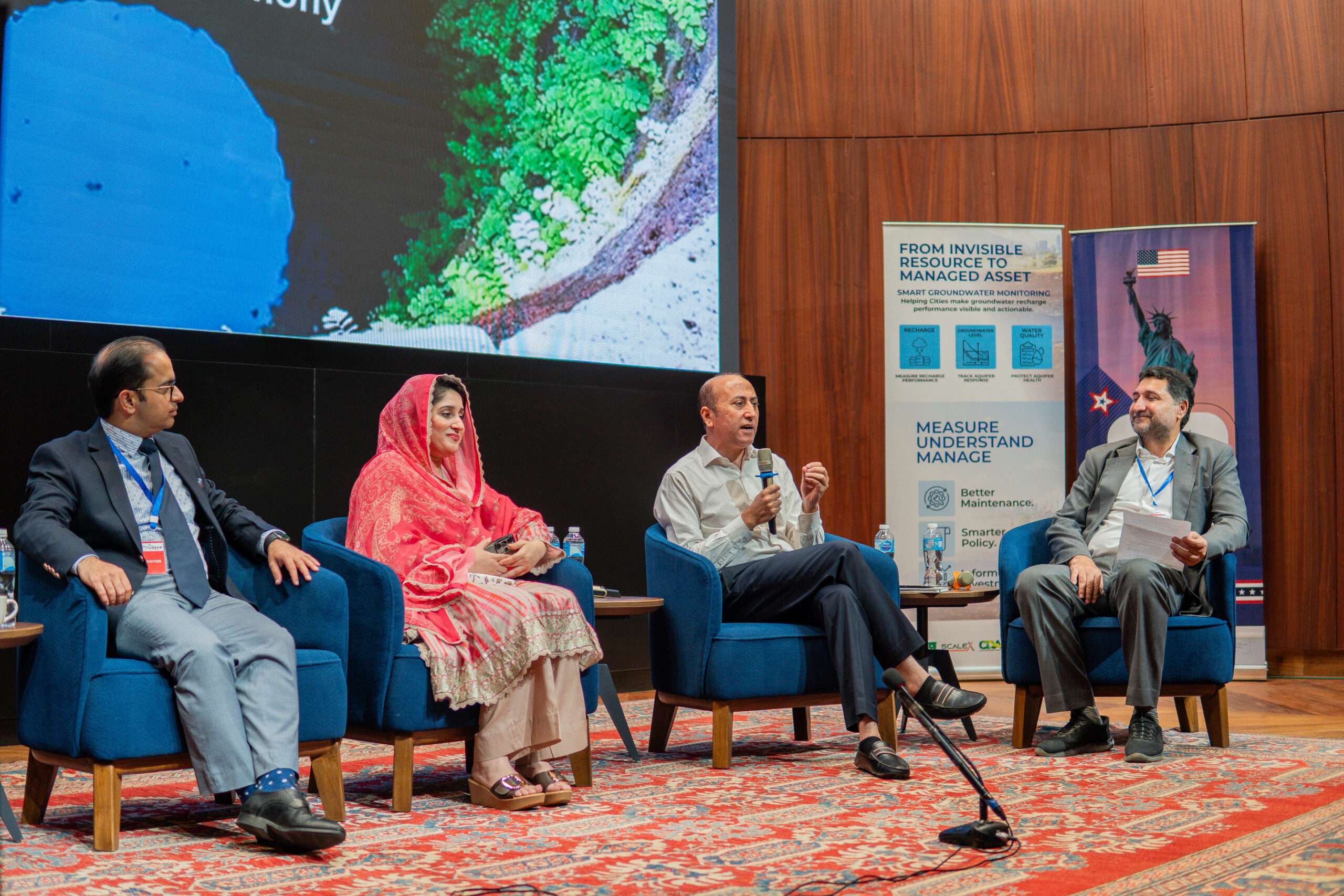
Gahkuch, Ghizer | July 27, 2026 —A diverse group of journalists, educators, media students, digital creators, and youth leaders gathered in Gahkuch for “Digital Dialogue: Empowering Youth through Free Expression and Open Information,” an alumni-led initiative supported by the U.S. Mission to Pakistan through the Pakistan-U.S. Alumni Network (PUAN) Connect Grants Program 2026.
The workshop was organized by Mr. Arshad Baig, a Fulbright Foreign Language Teaching Assistant (FLTA) Program alumnus and member of the PUAN Gilgit Chapter, to strengthen participants’ understanding of responsible digital engagement, ethical journalism, media literacy, and the importance of free expression in today’s digital landscape.
The one-day workshop brought together 36 participants, including journalists, educators, digital creators, media students, and young community leaders from across the region. Through interactive discussions and practical sessions, participants explored how responsible communication, critical thinking, and ethical content creation can contribute to stronger and more resilient communities.
The event also highlighted the growing importance of identifying and responding to adversarial propaganda, promoting responsible use of digital platforms, and encouraging informed public dialogue in an increasingly complex information environment.
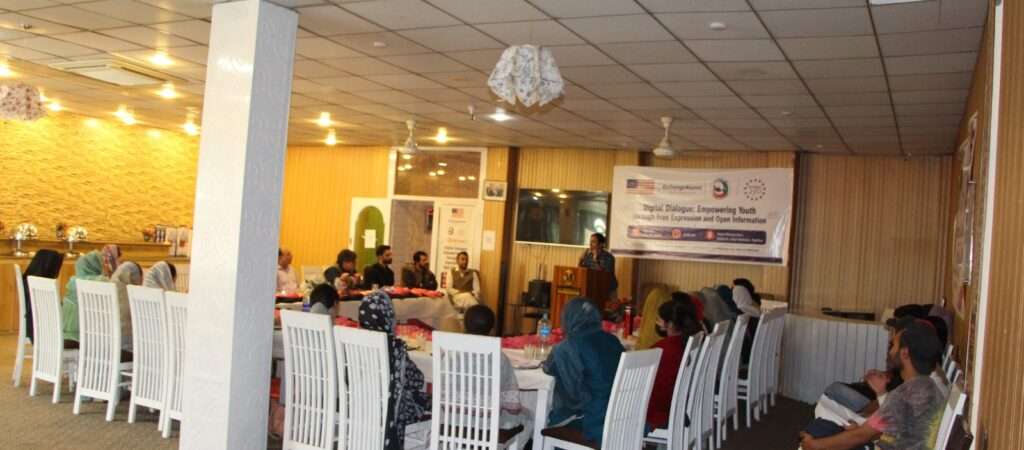
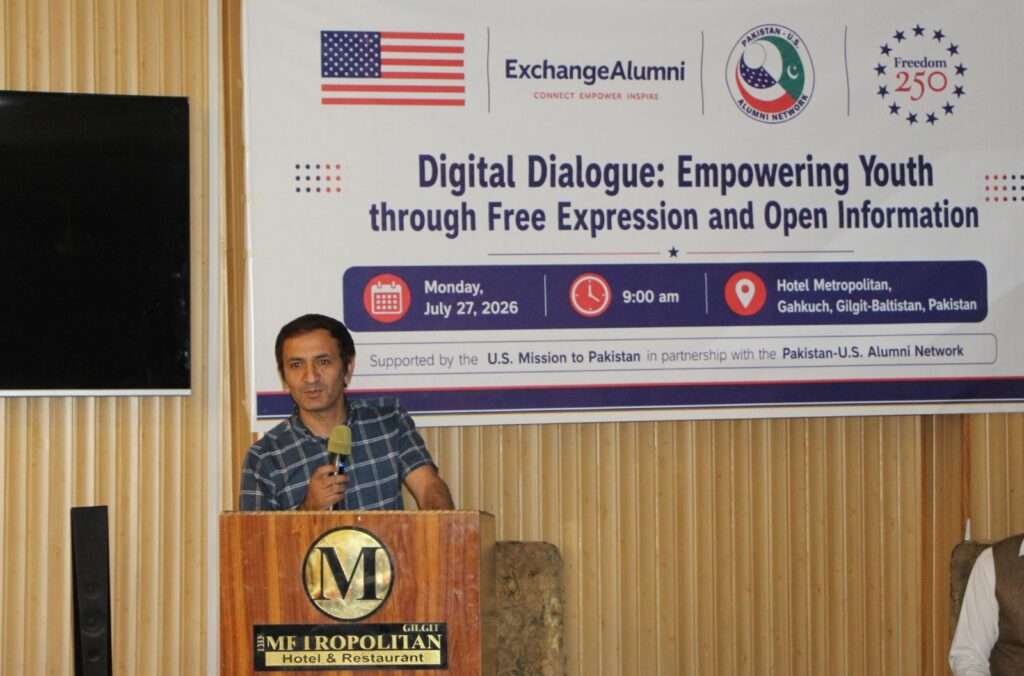
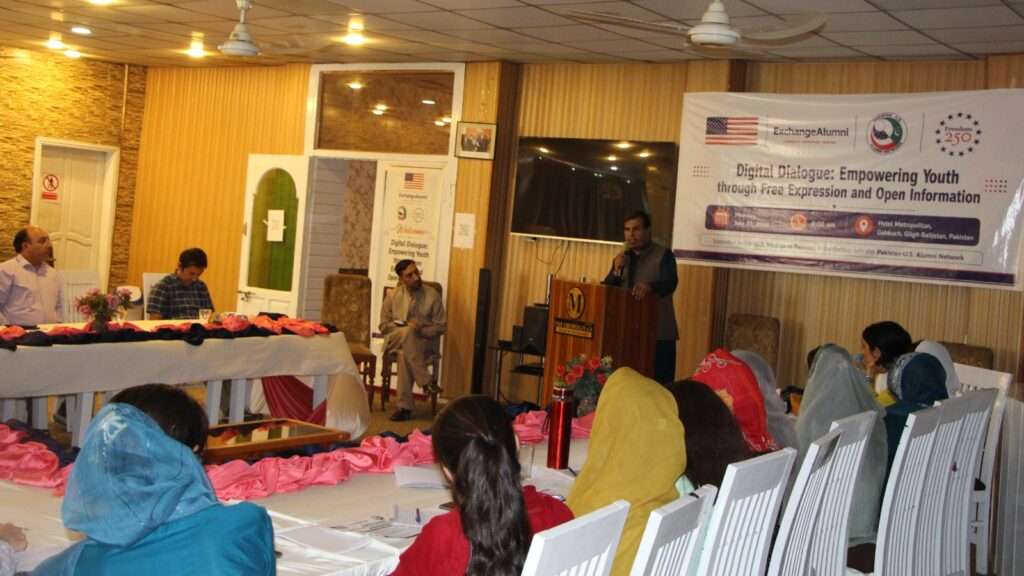
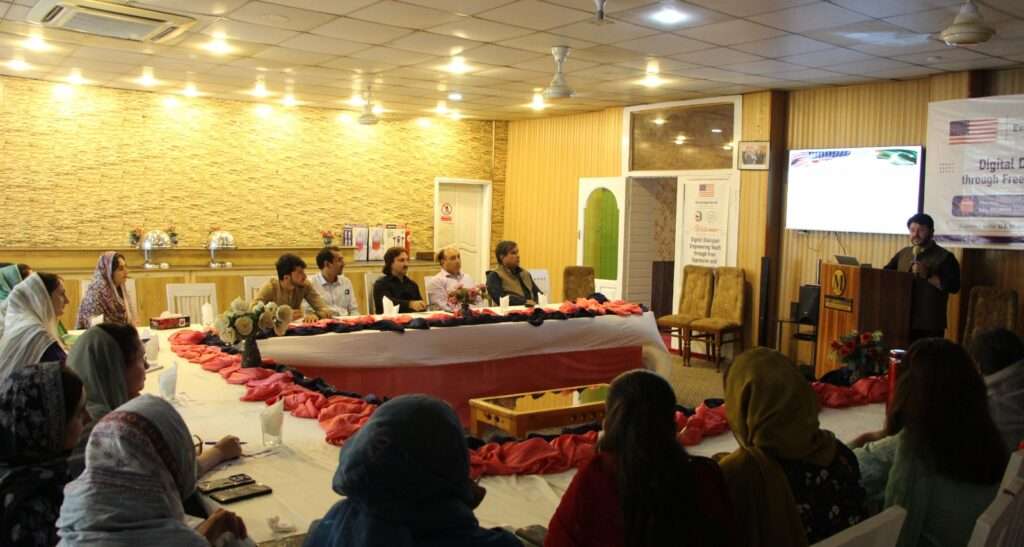
Speaking during the opening session, Mohd Jan discussed the importance of responsible digital communication and the role of ethical journalism in strengthening informed public discourse. Yaqoob Tai shared practical insights on media literacy and digital citizenship, encouraging participants to critically evaluate online content before sharing it. Muheen Zaman highlighted how youth can become responsible digital leaders by using online platforms to promote constructive dialogue and community engagement.
Representatives from the U.S. Mission to Pakistan and USEFP joined the event virtually to encourage participants and recognize the impact of alumni-led community initiatives.
In his remarks, Salman Wahab, Alumni Engagement Coordinator at the U.S. Mission to Pakistan, appreciated the successful organization of the workshop in the remote region of Gilgit-Baltistan through the leadership of a PUAN alumnus. He noted that initiatives like this help strengthen digital literacy, encourage responsible civic engagement, and build resilience against manipulation in the digital space. Referring to the upcoming 250th anniversary of the United States, he highlighted the enduring importance of free speech and open dialogue in healthy and innovative societies.
Waqar A. Khan, Manager of the PUAN Program at USEFP, congratulated the organizers for bringing together participants from diverse professional backgrounds. He emphasized that alumni-led initiatives demonstrate the strength of the PUAN network in expanding trusted, community-based leadership and creating opportunities for meaningful learning and collaboration across Pakistan.
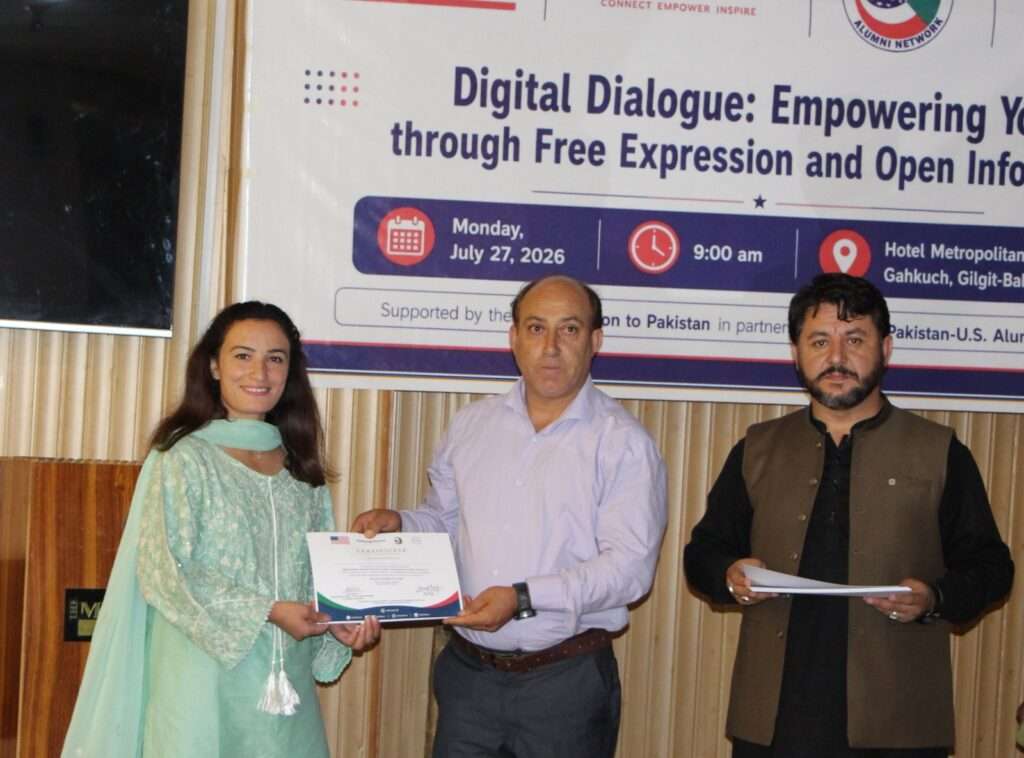
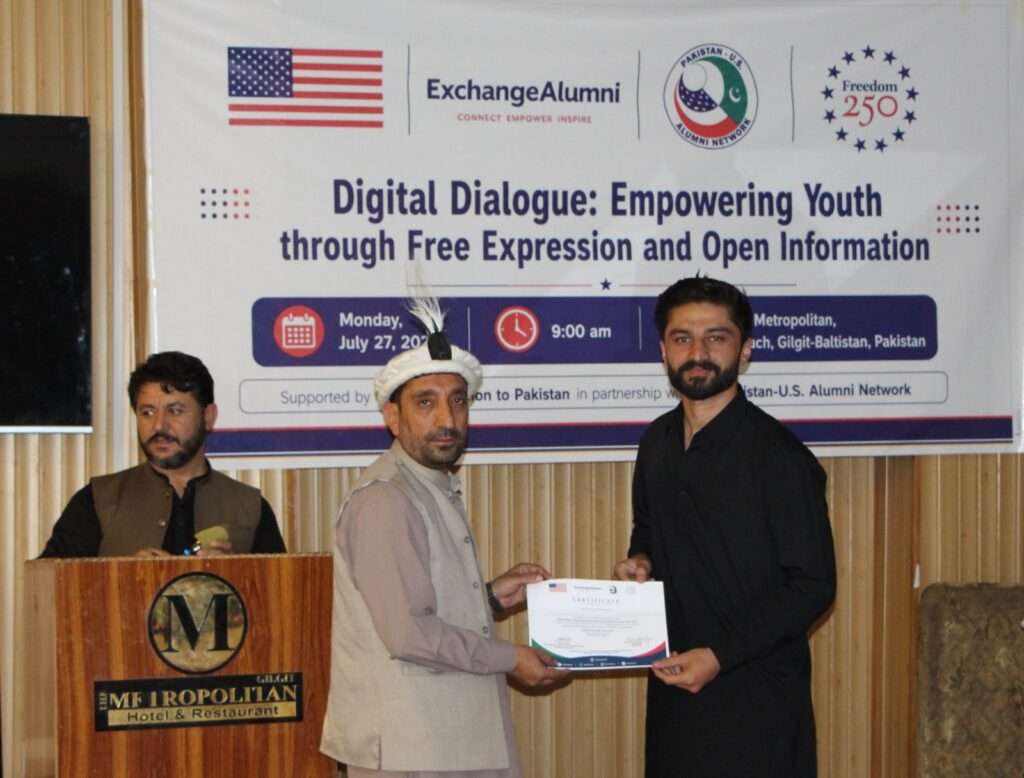
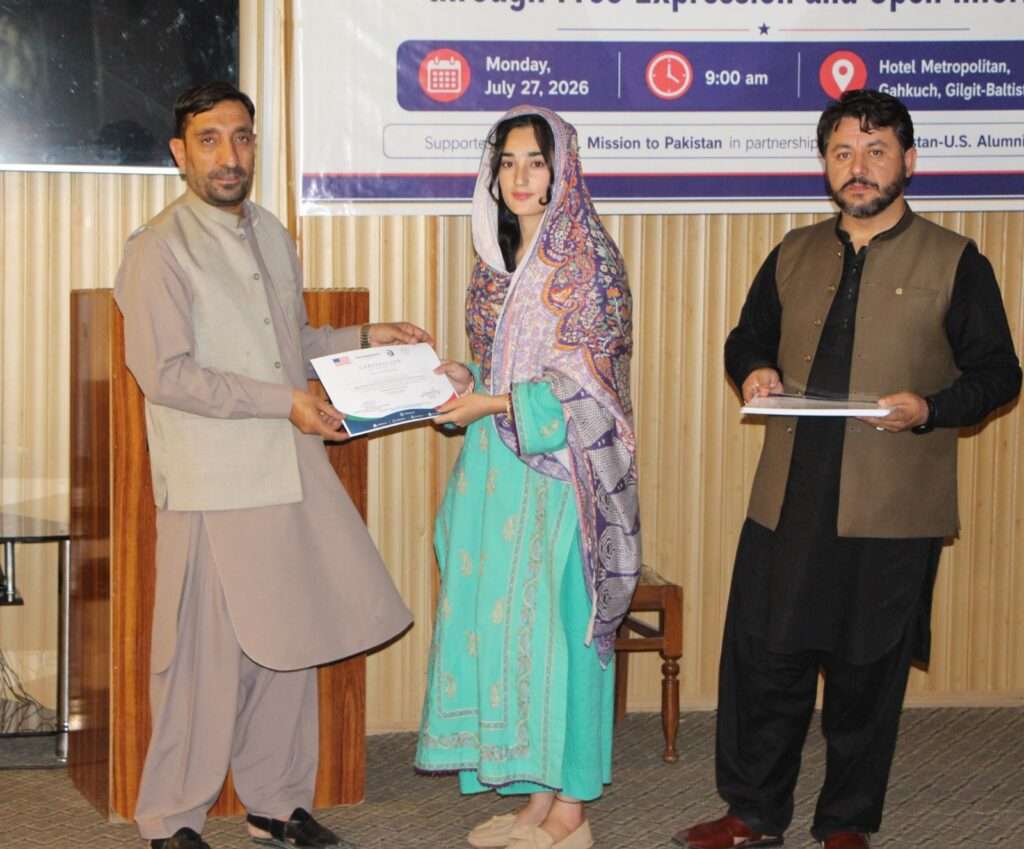
The workshop concluded with a certificate distribution ceremony attended by Dr. Shahbuddin, Dr. Aftab Ahmed, and Professor Amir Baig, who commended the organizers for creating a platform that encouraged thoughtful dialogue on digital responsibility and ethical communication.
In his closing remarks, Arshad Baig thanked the U.S. Mission to Pakistan, USEFP, PUAN, guest speakers, and participants for their support. He encouraged participants to apply the knowledge gained during the workshop within their own communities and continue promoting responsible digital engagement, ethical journalism, and constructive online dialogue.
The initiative reflects the U.S. Mission to Pakistan’s continued support for alumni-led efforts that equip communities with the knowledge and skills to navigate today’s evolving digital environment. Through the PUAN Connect Grants Program, alumni across Pakistan are leading locally driven initiatives that strengthen digital freedom, encourage responsible public discourse, and expand trusted networks of civic leadership.