As the United States marks 250 years of independence, American innovation continues to influence the technologies shaping the future. Artificial intelligence is emerging as the next chapter in that tradition, creating new possibilities for research, enterprise, productivity, and technological advancement.
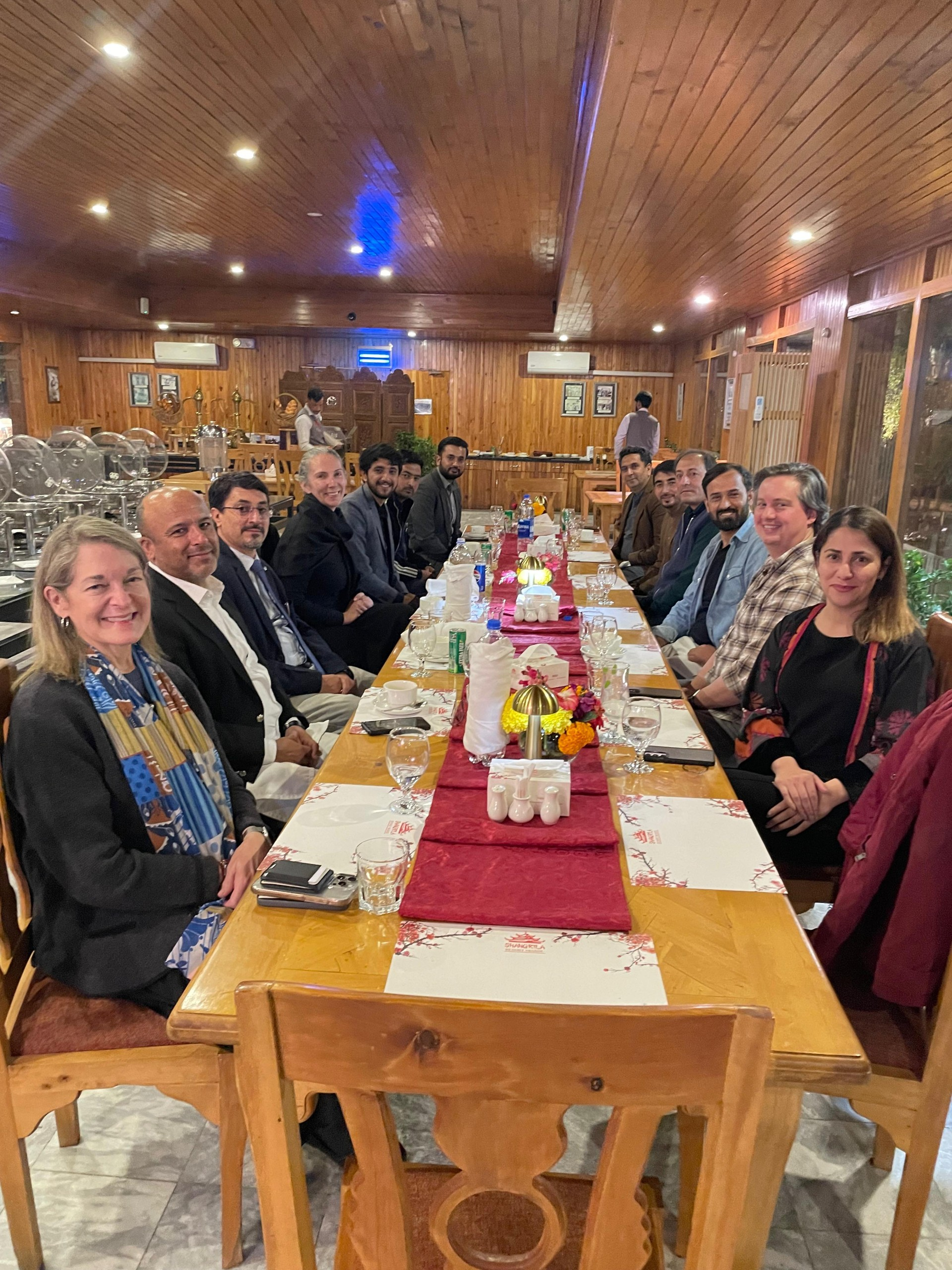
On August 11, 2026, U.S. Chargé d’Affaires a.i. Natalie Baker brought together leading Pakistani academics, researchers, entrepreneurs, and U.S. exchange alumni in Lahore for a discussion on the future of artificial intelligence and opportunities for greater U.S.–Pakistan technology collaboration.
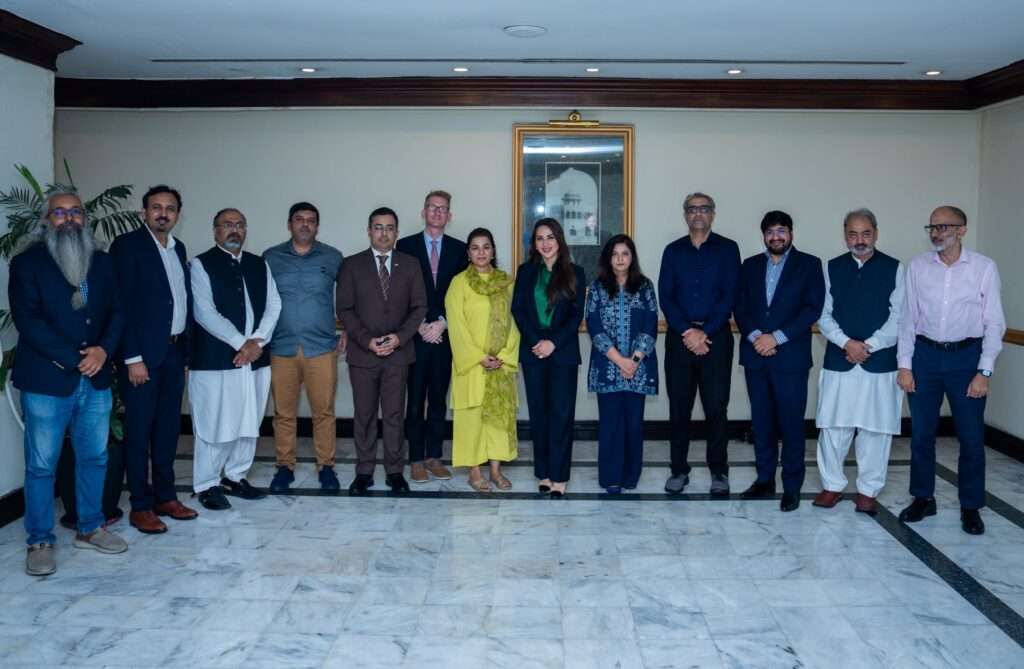
Held at Pearl Continental Lahore under the theme “250 Years of American Innovation: Building the Future Together Through Artificial Intelligence,” the luncheon convened 10 participants, including eight Fulbright and International Visitor Leadership Program (IVLP) alumni. Participants represented Information Technology University (ITU), the University of Central Punjab (UCP), business incubators, and Pakistan’s private technology sector.
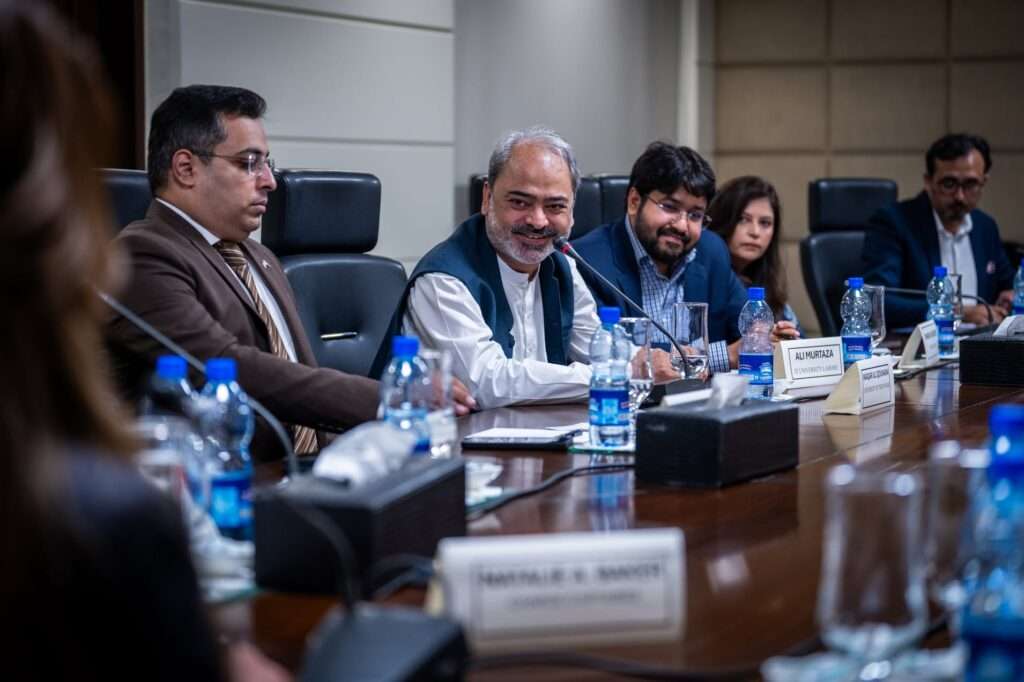
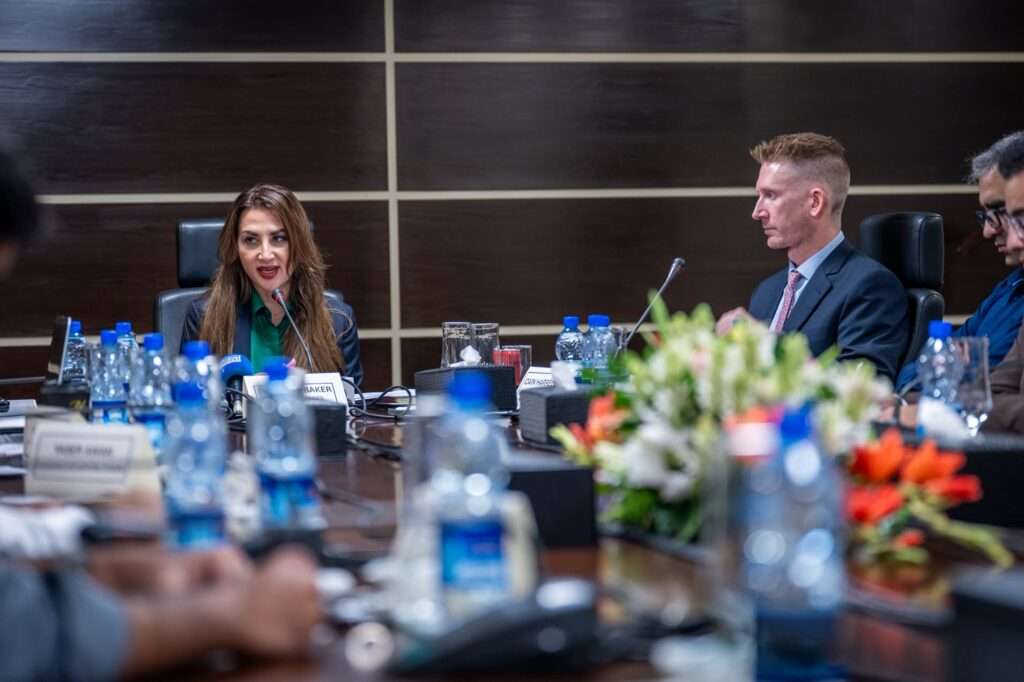
The discussion explored how American innovation is shaping the global development of artificial intelligence and what advances in AI could mean for Pakistan’s growing technology and innovation ecosystem.
During the engagement, Baker highlighted American leadership in artificial intelligence, including the American AI Exports Program, and emphasized American AI as the global gold standard. Participants, meanwhile, shared perspectives on Pakistan’s AI talent, research capabilities, entrepreneurship, and evolving innovation landscape.
The conversation also provided an opportunity to examine areas where U.S. and Pakistani institutions, businesses, researchers, and innovators can deepen engagement around emerging technologies. Participants discussed the importance of connecting academic expertise with entrepreneurship and private-sector innovation as artificial intelligence increasingly influences research, business operations, workforce needs, and economic competitiveness.
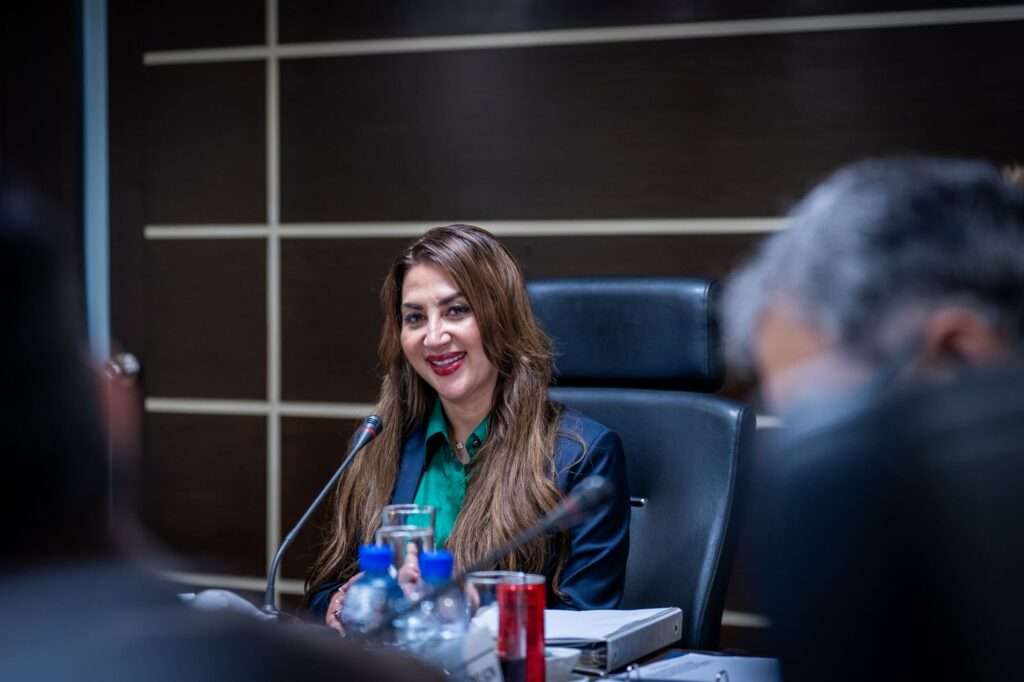
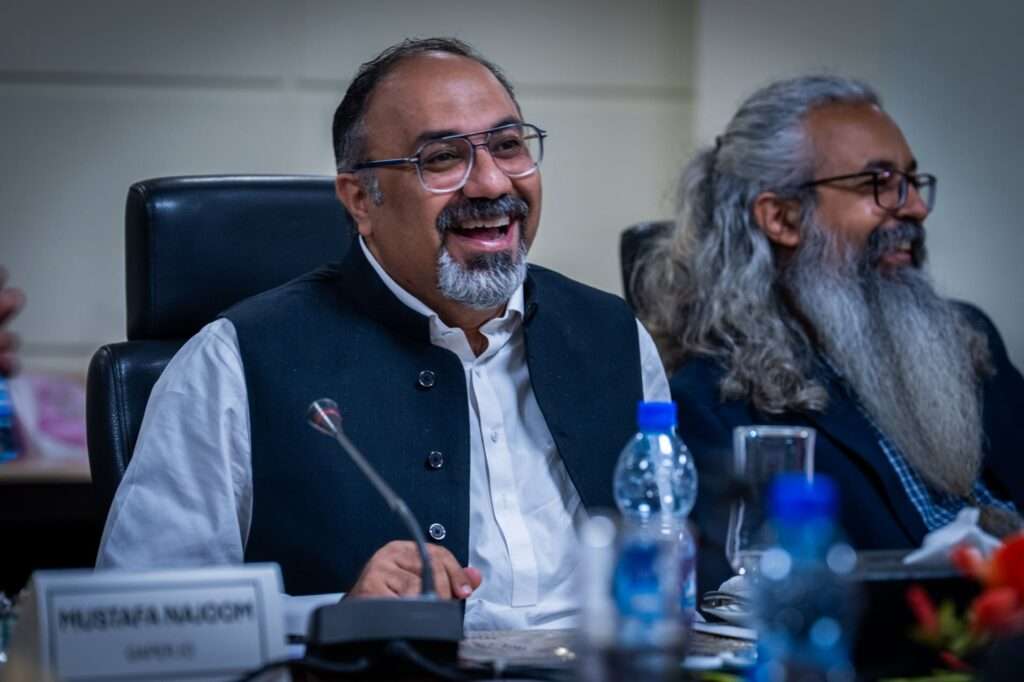
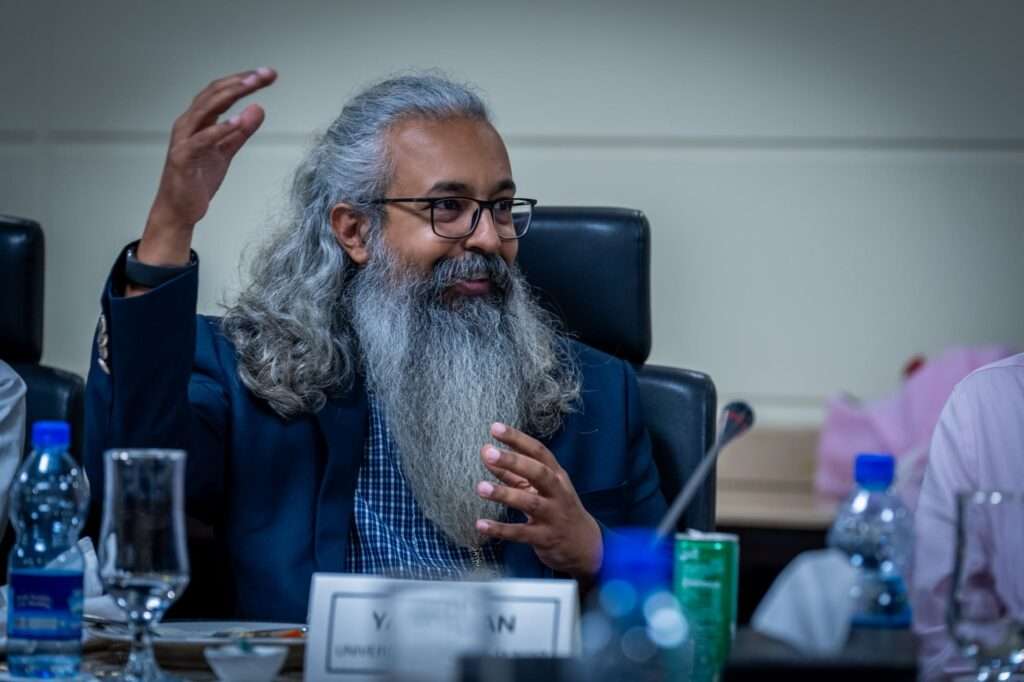
U.S. exchange alumni brought substantial academic, entrepreneurial, and technology-sector experience to the discussion.
Fulbright alumnus Dr. Mohsen Ali, Chair of the Department of Artificial Intelligence at ITU Lahore, joined Dr. Hammad Naveed, Fulbright alumnus and Pro-Rector of the University of Central Punjab, and Dr. Muhammad Ali Murtaza, Fulbright alumnus and AEIF 2026 participant serving as Assistant Professor at ITU Lahore.
The private-sector and innovation community was represented by Fulbright alumna Annum Sadiq, Co-Founder and CEO of Edkasa, alongside IVLP alumni Mustafa Najoom, Interim CEO of Gaper.io; Mahrukh Qadeer, Fractional CPO at Neoventor; Yaser Awan, Director of Innovation at Takhleeq Business Incubator; and Uzair Shahid, Head of Innovation at Beaconhouse National University.
Their participation demonstrated the role U.S. exchange alumni can play in connecting academic research, entrepreneurship, technology development, and institutional expertise within the broader U.S.–Pakistan technology relationship.
The engagement also reflected a central theme of Freedom 250: connecting 250 years of American ideas, ingenuity, and innovation with the opportunities of the future. From the institutions and enterprises that have shaped technological progress to the rapid development of artificial intelligence today, innovation remains an important part of the American story.
For Pakistan, engagement with U.S. institutions, businesses, researchers, and innovators can create opportunities to exchange expertise, strengthen professional and institutional collaboration, and explore emerging applications of AI across academia and enterprise.
As artificial intelligence continues to reshape industries and economies, conversations bringing together U.S. leadership and Pakistani expertise can help identify practical areas for technology engagement while connecting exchange alumni with the institutions and innovators shaping the next generation of technological advancement.
Through Freedom 250, PUAN celebrates the legacy of American innovation while highlighting how U.S. exchange alumni continue to apply their experience, expertise, and professional networks to strengthen U.S.–Pakistan engagement in technology, innovation, and economic opportunity.