Islamabad, July 9, 2026: As artificial intelligence rapidly reshapes economies, societies, and the way people access information, members of the Pakistan-U.S. Alumni Network (PUAN) Islamabad Chapter gathered for an interactive awareness session to deepen their understanding of the opportunities, ethical considerations, and societal implications of artificial intelligence (AI). The session, “AI for Society: Alumni Dialogue on Awareness, Ethics & the Future,” was an alumni-led initiative supported by the U.S. Mission to Pakistan through the PUAN Connect Grants Program 2026.
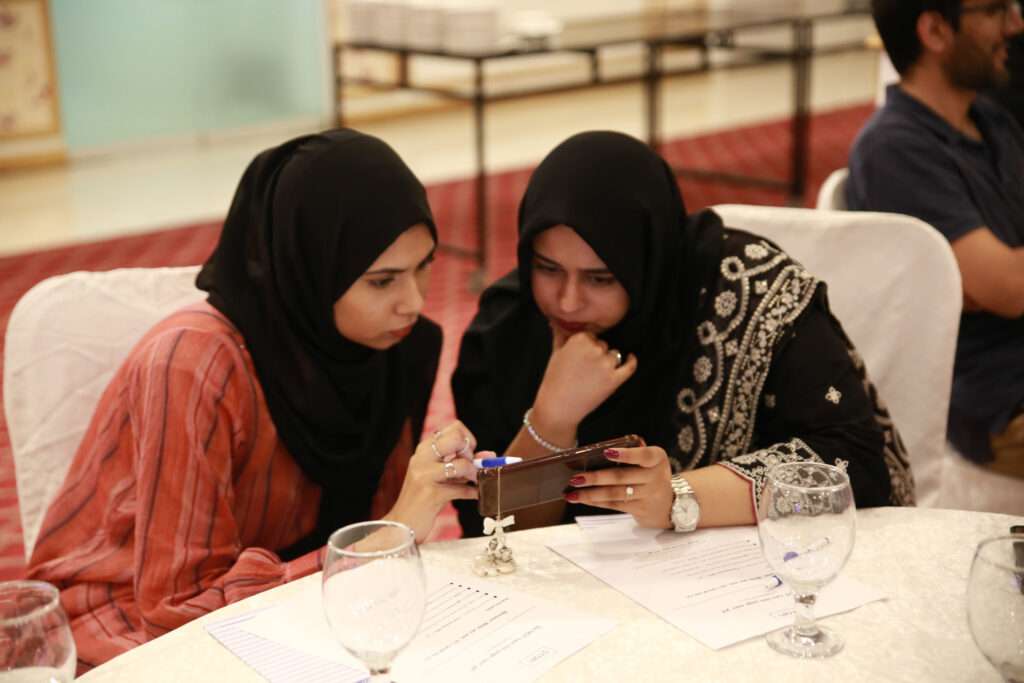
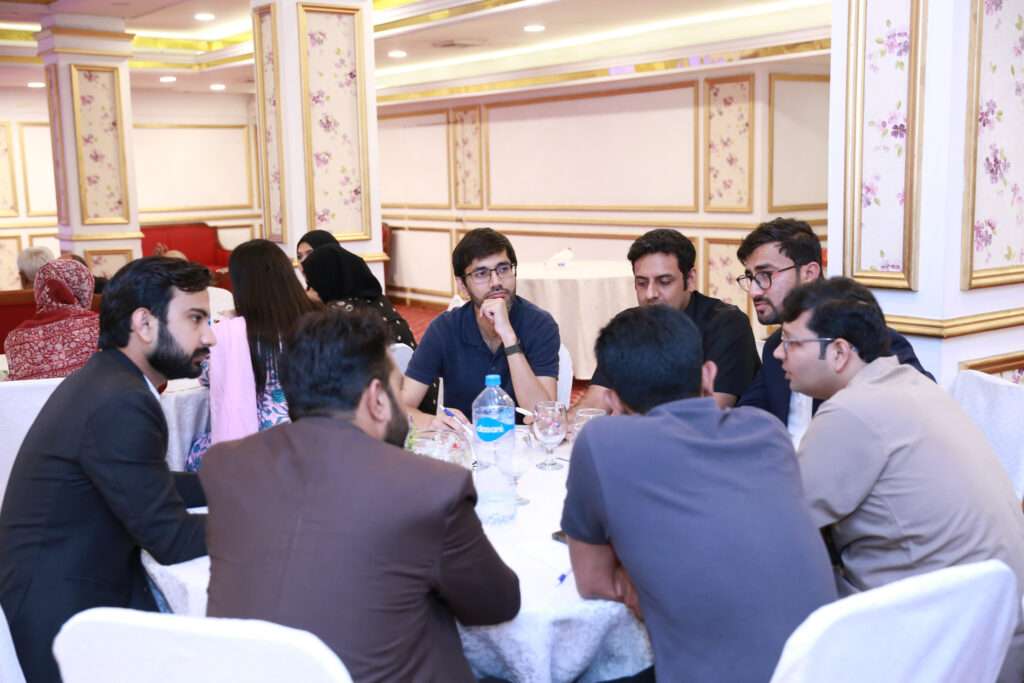
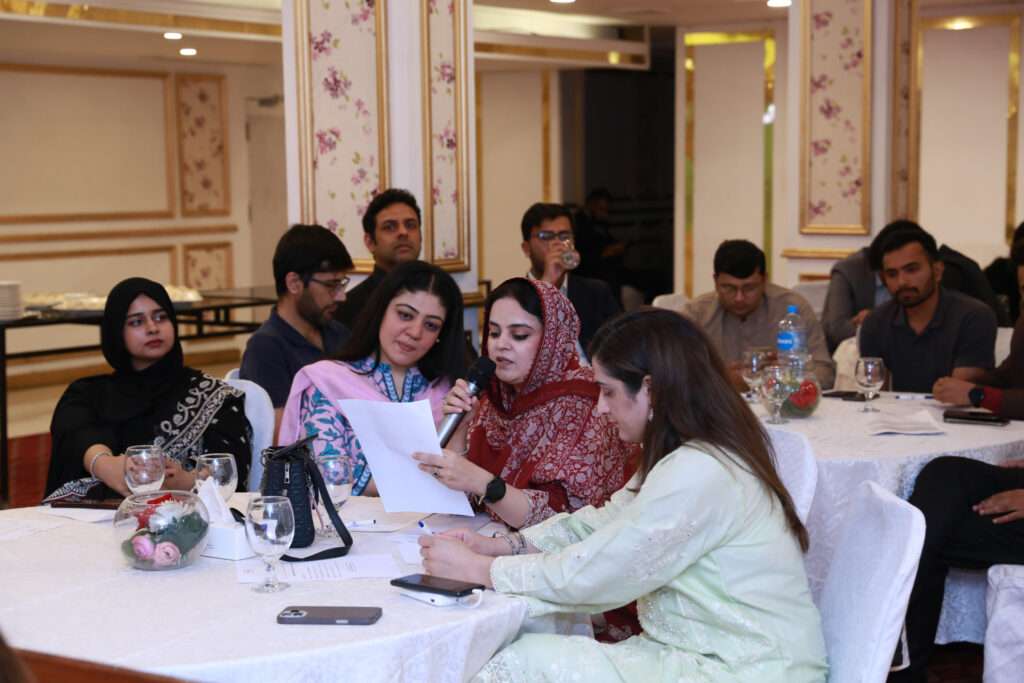
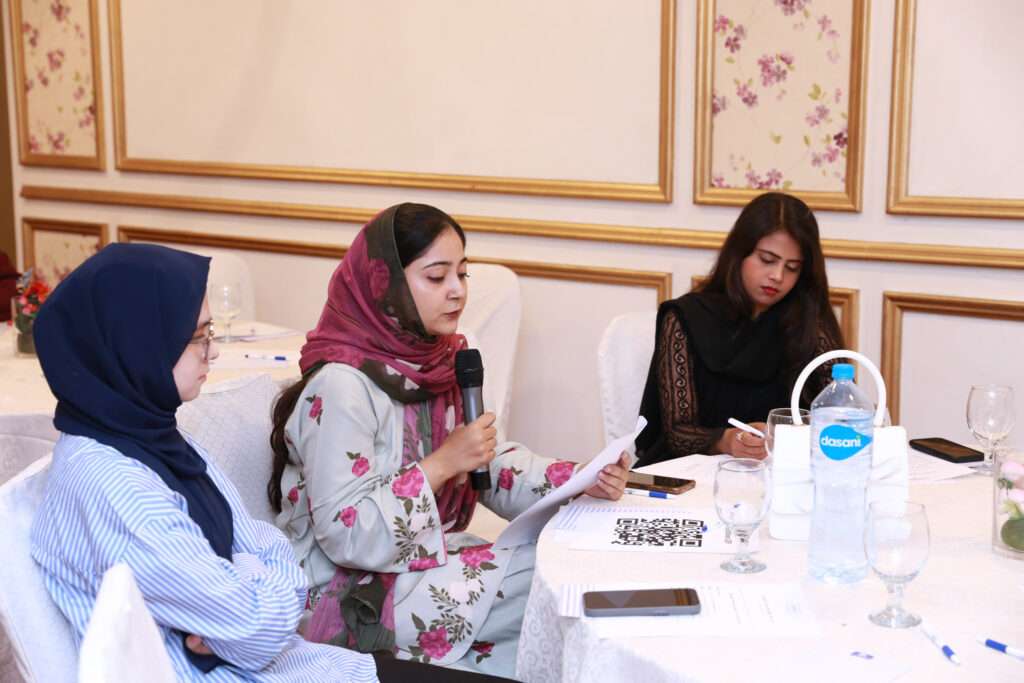
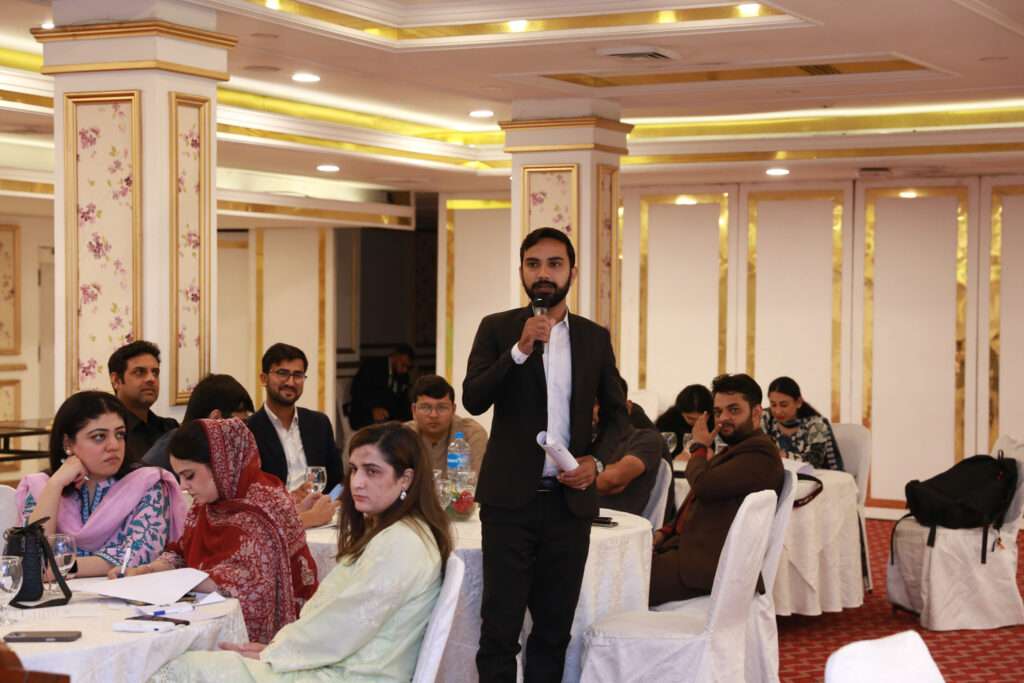
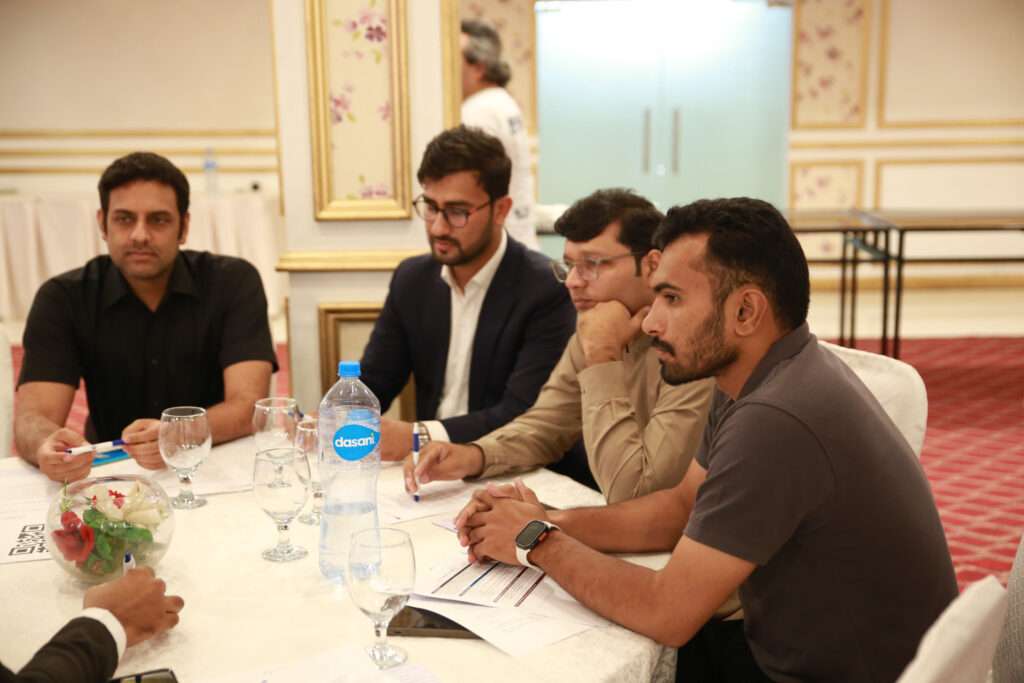
The event was organized by Abdul Ahad Qureshi, a member of the PUAN Islamabad Chapter and alumnus of the Global Undergraduate Exchange Program (Global UGRAD Spring 2024). Held at the Islamabad Hotel, the event brought together over 30 PUAN alumni representing academia, media, technology, entrepreneurship, civil society, and the development sector. The interactive awareness session combined expert presentations, practical demonstrations, group activities, and collaborative discussions to help participants better understand the rapidly evolving AI landscape and the importance of responsible innovation, ethical governance, digital trust, and media literacy.
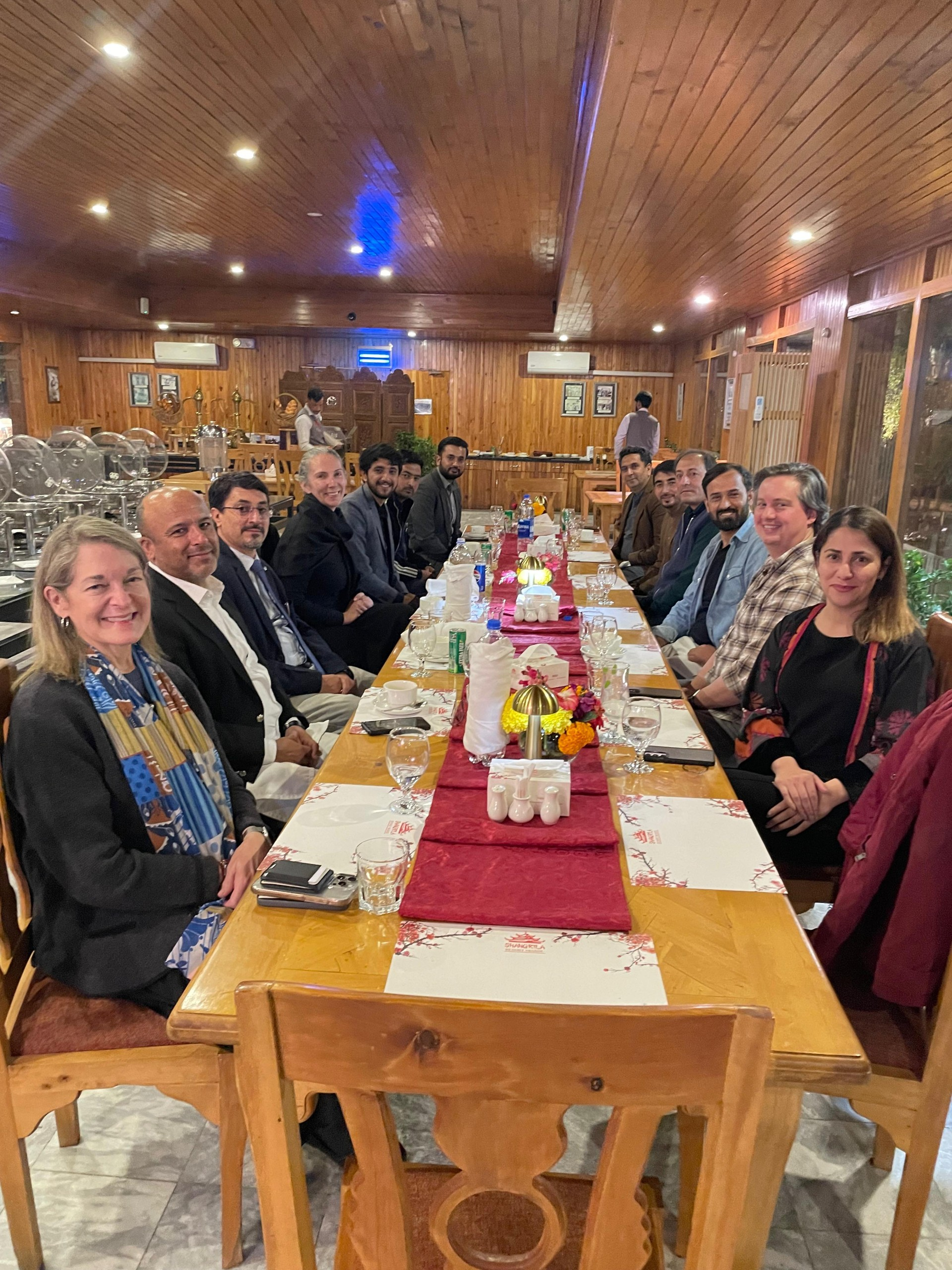
The programme was attended by Marta Aparicio, Public Diplomacy Officer and Alumni Programs Manager at the U.S. Embassy Islamabad, who delivered the closing remarks. Also representing the U.S. Embassy Islamabad were Shahid Waseem, Country Alumni Specialist, and Salman Wahab, Alumni Engagement Coordinator. They were joined by Waqar Khan from PUAN-USEFP, reflecting the continued support of the U.S. Mission and PUAN for alumni-led initiatives that promote innovation, knowledge sharing, and community engagement.
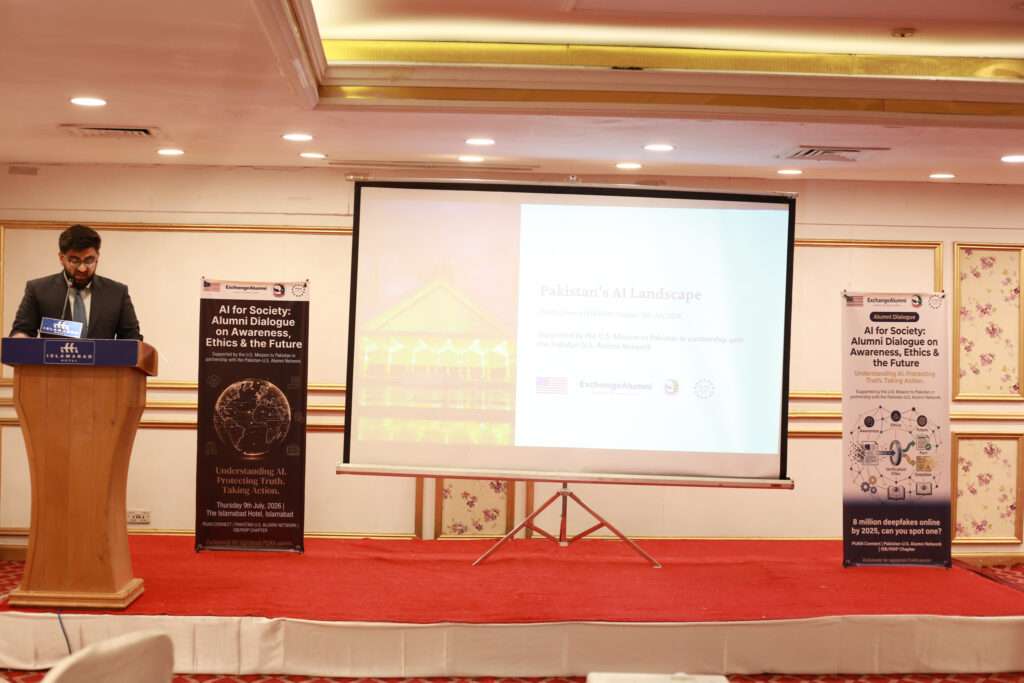
The session began with a comprehensive presentation by Abdul Ahad Qureshi on Pakistan’s evolving AI landscape, highlighting both the country’s ambitious vision for artificial intelligence and the practical challenges that must be addressed to ensure its responsible and inclusive adoption. Drawing on Pakistan’s National AI Policy 2025, he outlined the government’s vision for strengthening the AI ecosystem through investments in research, digital infrastructure, skills development, secure and trustworthy AI systems, sectoral transformation, and international partnerships. He also highlighted Pakistan’s aspiration to invest US$1 billion in AI by 2030, while emphasizing the importance of equipping the workforce with the knowledge and skills needed to benefit from emerging technologies.
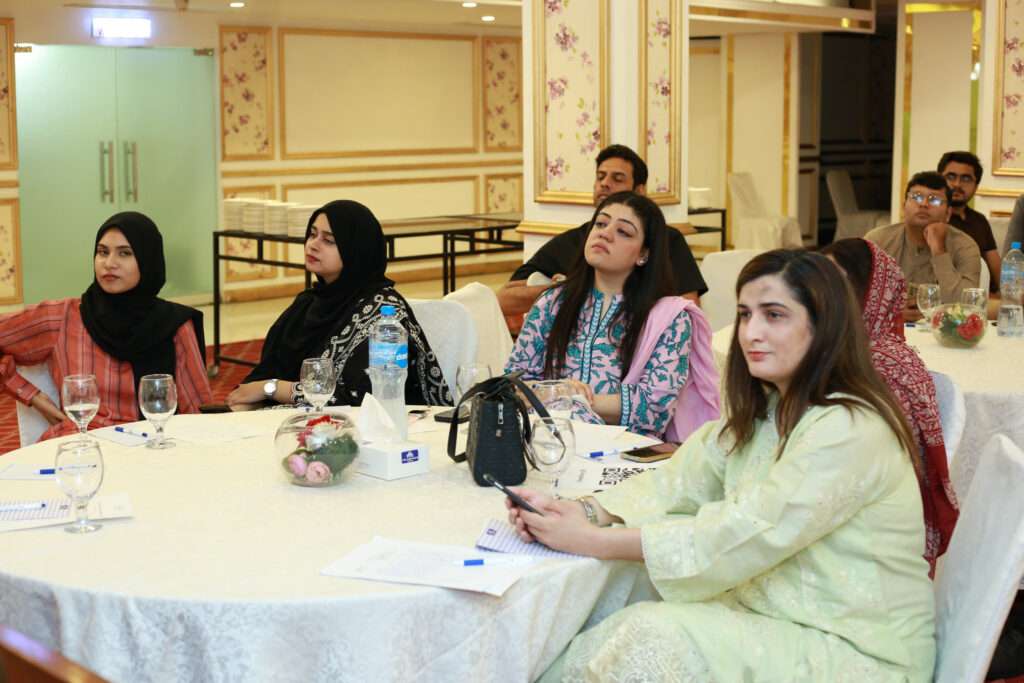
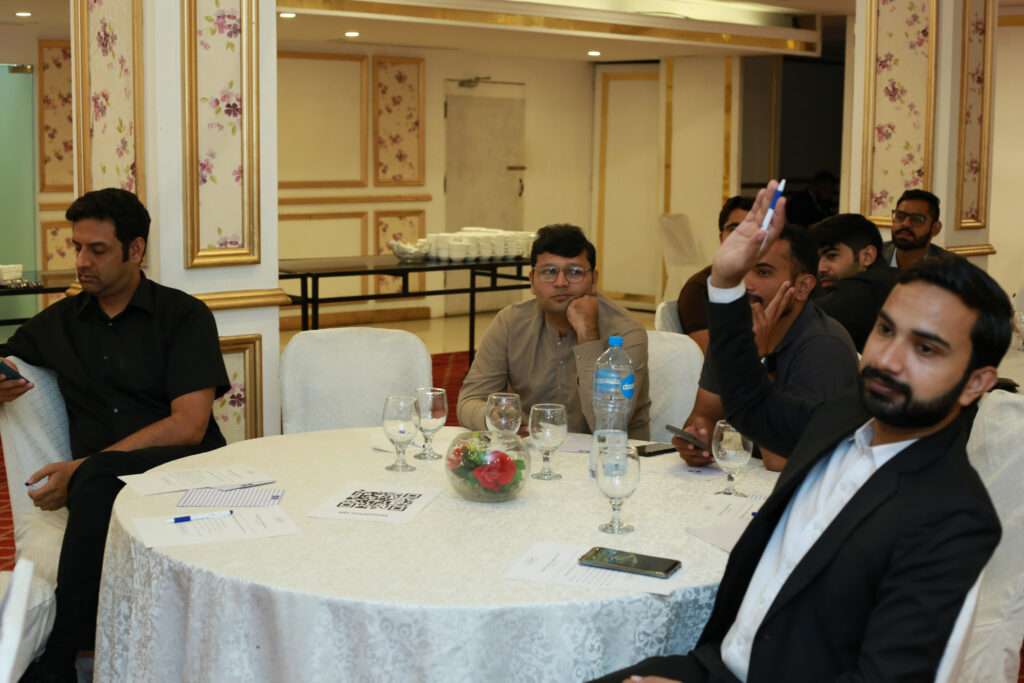

Participants gained a deeper understanding of the gap between Pakistan’s AI ambitions and current realities, including challenges related to workforce readiness, research and development, digital inclusion, and equitable access to AI technologies. The session underscored the importance of ensuring that technological progress is accompanied by investments in digital skills, responsible governance, and inclusive policies so that the benefits of AI are shared across society.
Another important component of the programme focused on Pakistan’s evolving legal and policy landscape for artificial intelligence. Participants examined existing and proposed policy frameworks governing AI, cybersecurity, digital privacy, and data protection while discussing the need for stronger ethical standards, accountability mechanisms, and transparent governance to support the responsible development and use of AI technologies.
One of the most engaging sessions focused on deepfakes and digital disinformation, where participants explored how AI-generated content is reshaping today’s information ecosystem. Through live demonstrations and real-world case studies from Pakistan and around the world, participants learned how manipulated digital content can influence public opinion, spread misinformation, and undermine trust in online information. The session encouraged participants to strengthen media literacy, verify information before sharing it, and become responsible digital citizens within their communities.
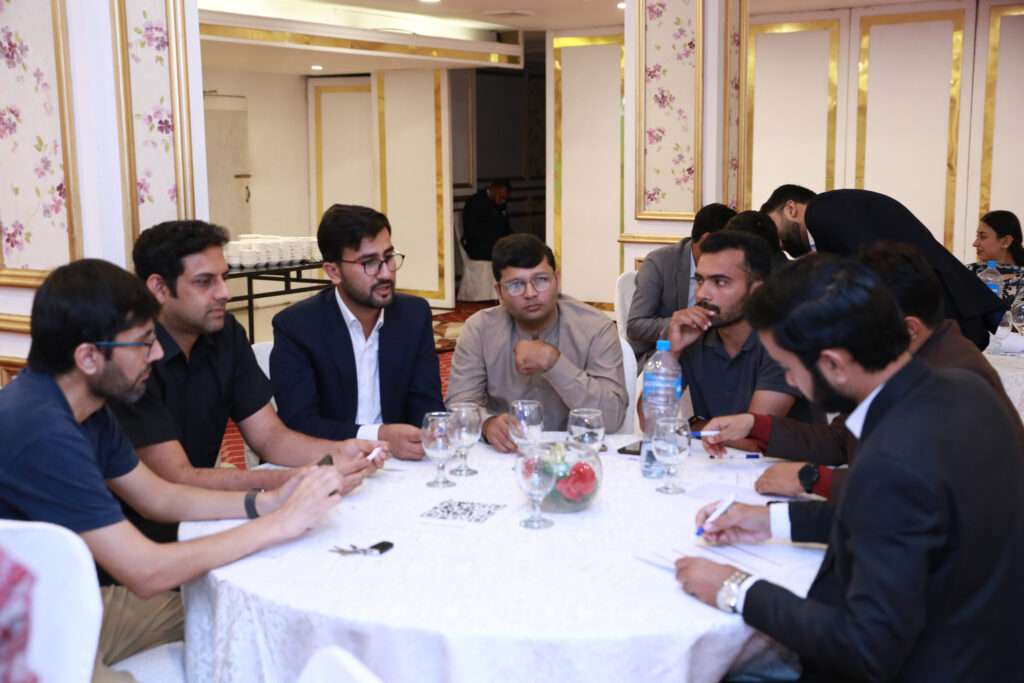
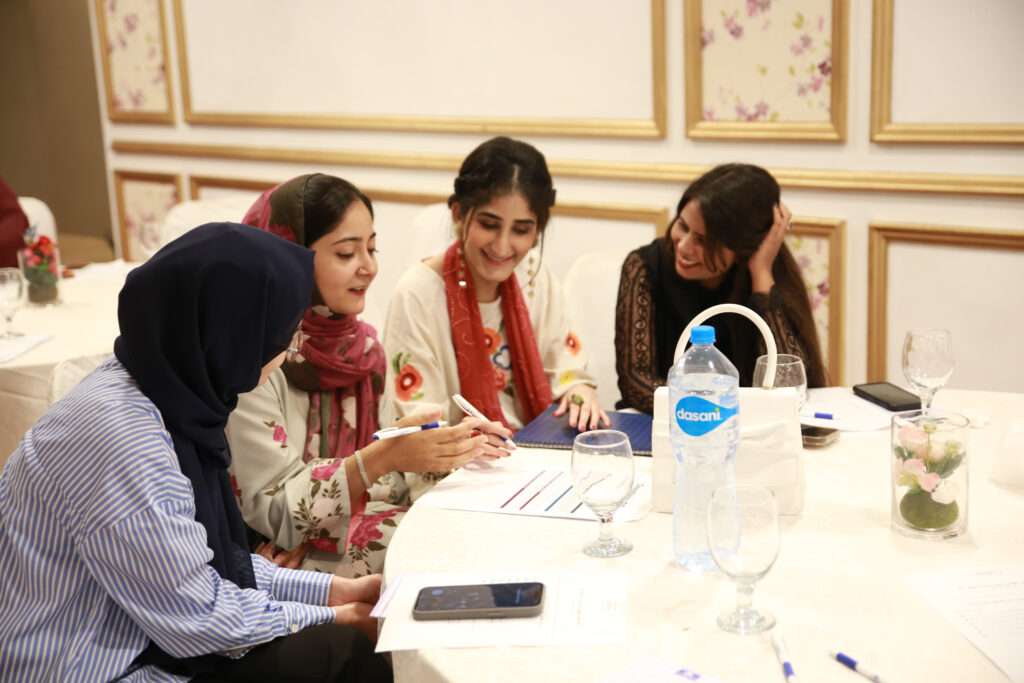
Building on these presentations, participants worked in small groups to examine real-world ethical scenarios involving artificial intelligence, including algorithmic bias, data privacy, AI in journalism, elections, automation, and freedom of expression. These interactive exercises enabled participants to apply the concepts discussed during the session while identifying practical approaches to using AI responsibly in their professional and community settings.
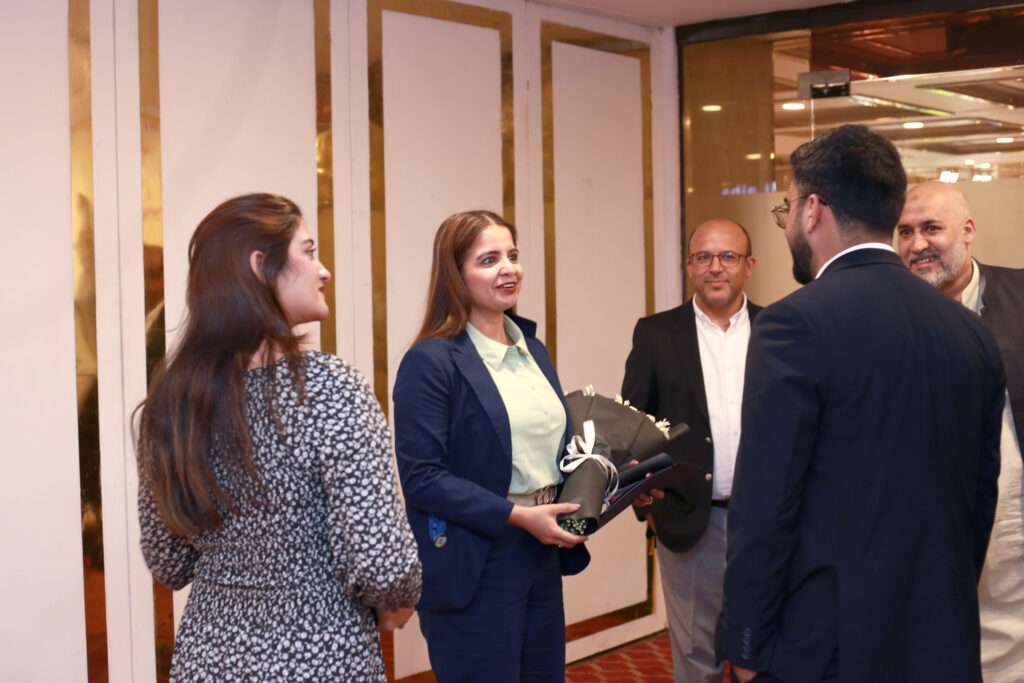
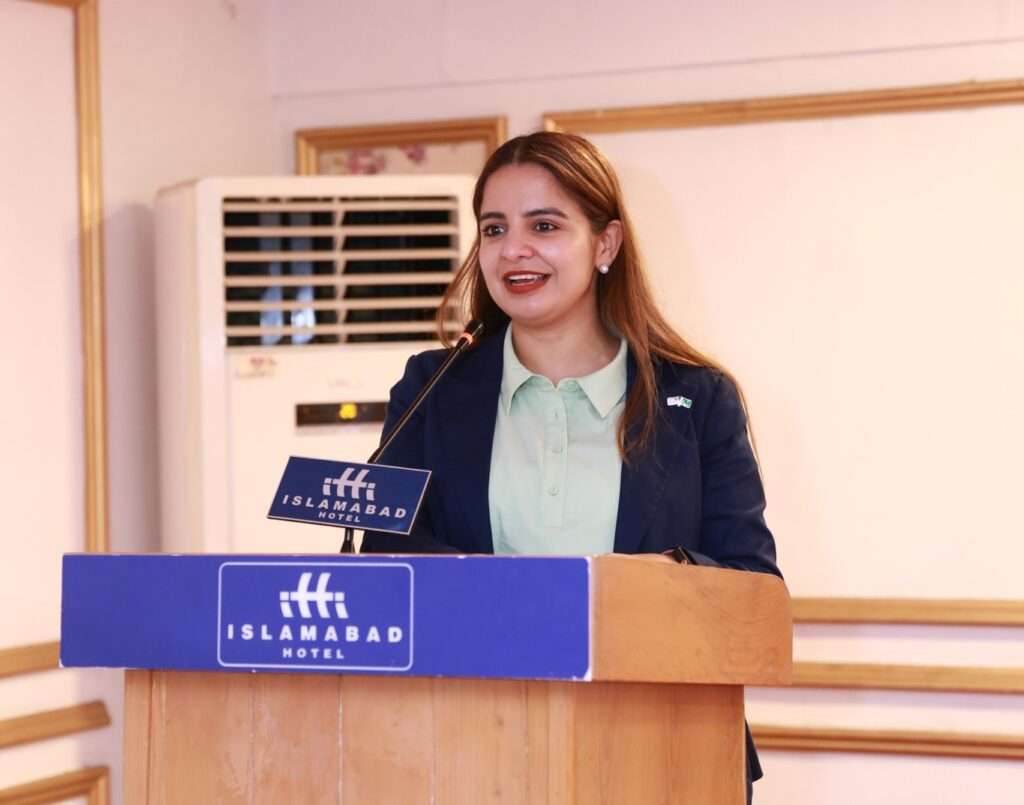
Delivering the closing remarks, Marta Aparicio emphasized that while artificial intelligence offers tremendous opportunities for innovation and economic growth, it also places a shared responsibility on individuals to use these technologies thoughtfully and ethically.
“AI is already changing the way that we work, the way we learn, the way that we communicate, and the way that we consume information every day. It offers tremendous opportunities for innovation and economic growth, but it also brings serious challenges, including deepfakes, disinformation, bias, and threats to privacy.”
Encouraging participants to continue learning and sharing their knowledge, she urged them to become advocates for responsible AI use within their families, workplaces, and communities.
“You do not need to become an AI expert overnight, but you can be the one to ask better questions, verify information before sharing it, and help others use these technologies more responsibly.”
She also commended Abdul Ahad Qureshi for leading the initiative and acknowledged the important role of alumni-led programmes in creating opportunities for professional learning, collaboration, and community impact.
“This event represents PUAN at its best—alumni creating opportunities for other alumni to learn, connect and contribute.”
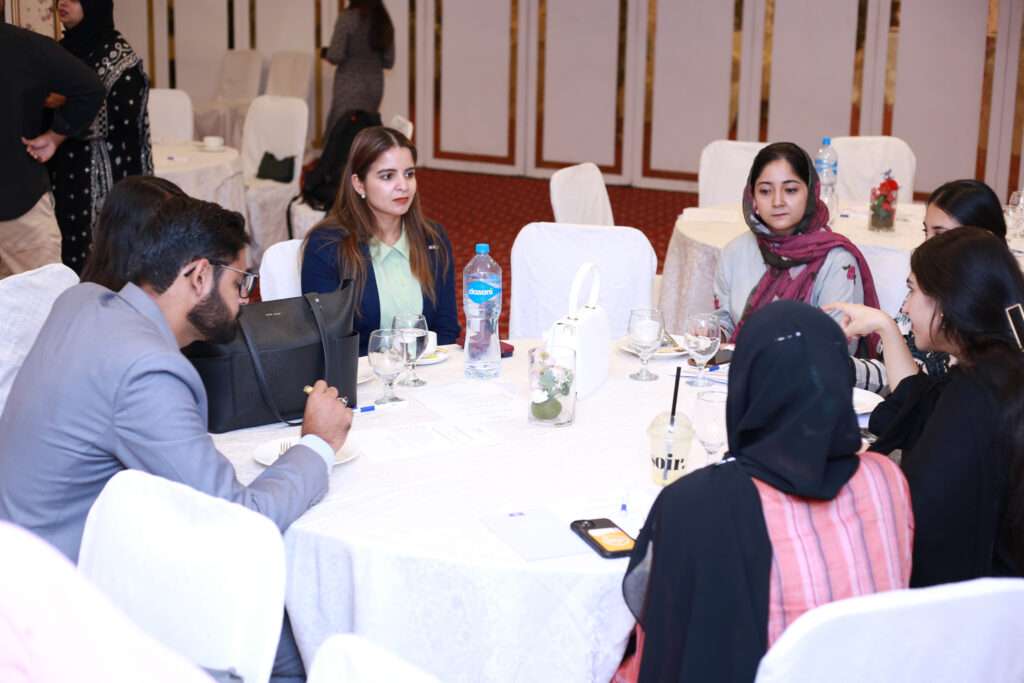
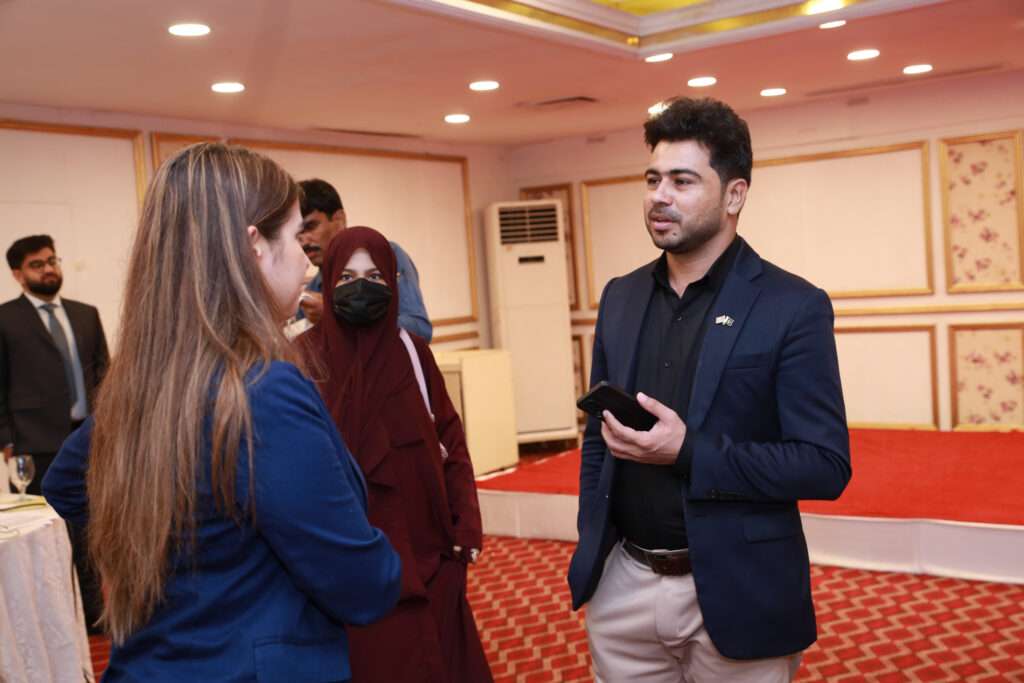
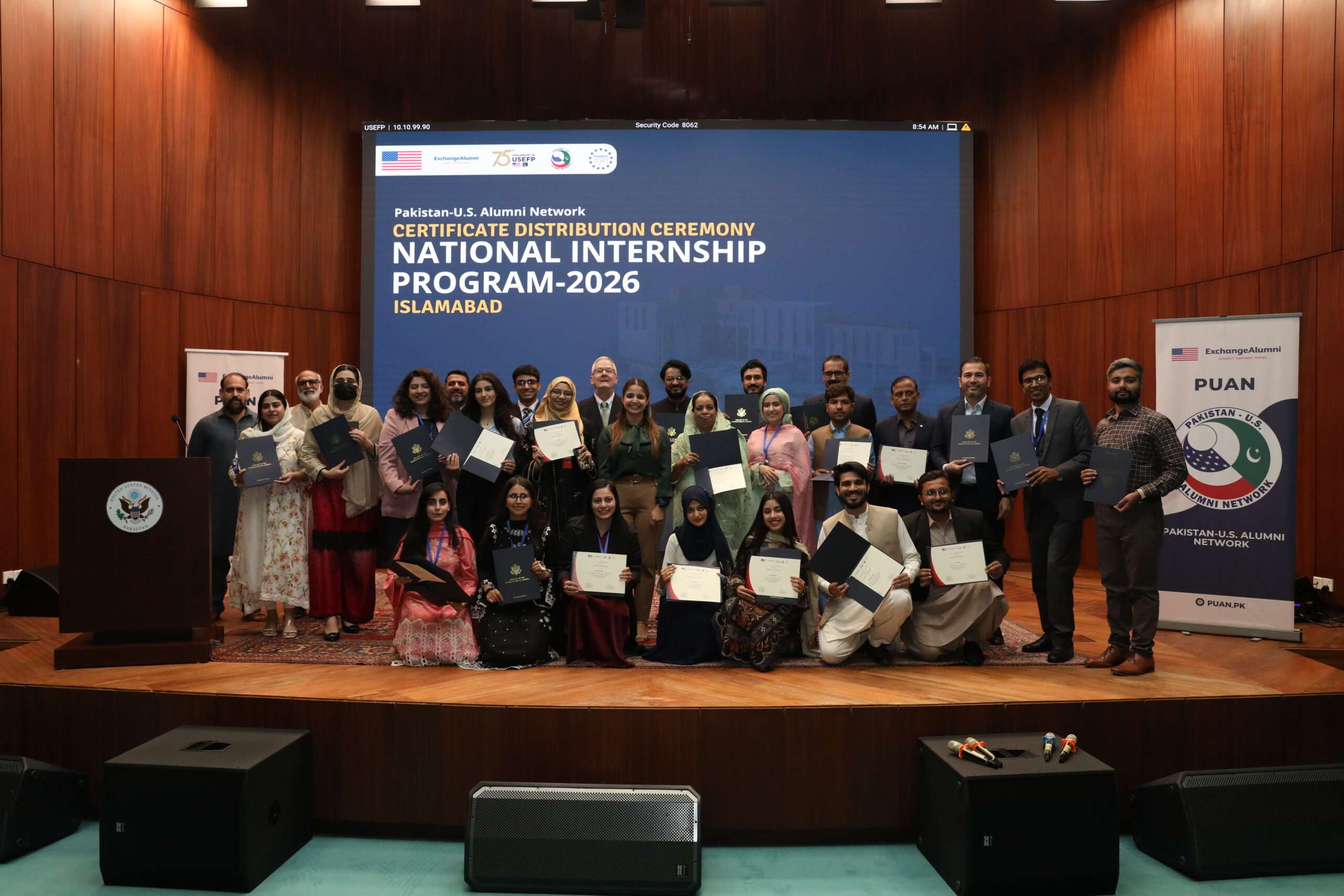
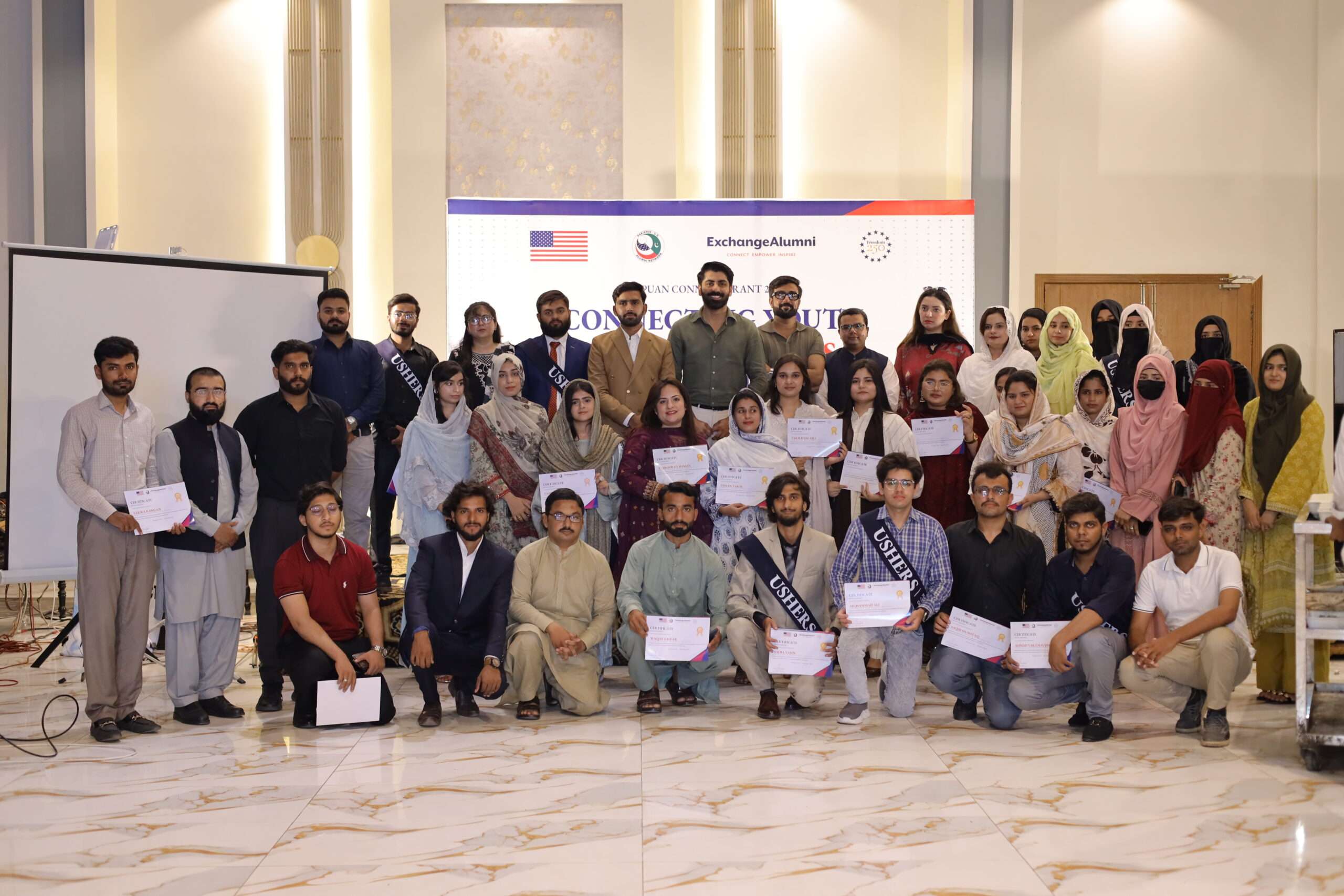
The event concluded with a group photograph followed by a networking tea, providing participants with an opportunity to continue conversations, exchange ideas, and strengthen professional connections across the alumni community.
Supported by the U.S. Mission to Pakistan in partnership with the Pakistan-U.S. Alumni Network (PUAN) through the PUAN Connect Grants Program, the initiative reflects the continued commitment of exchange alumni to applying the knowledge, leadership, and global perspectives gained through U.S. exchange programs to address emerging societal challenges. By increasing awareness of artificial intelligence, digital trust, media literacy, and ethical innovation, the programme equipped PUAN alumni with the knowledge and practical understanding needed to become responsible users, advocates, and ambassadors of emerging technologies within their workplaces and communities.