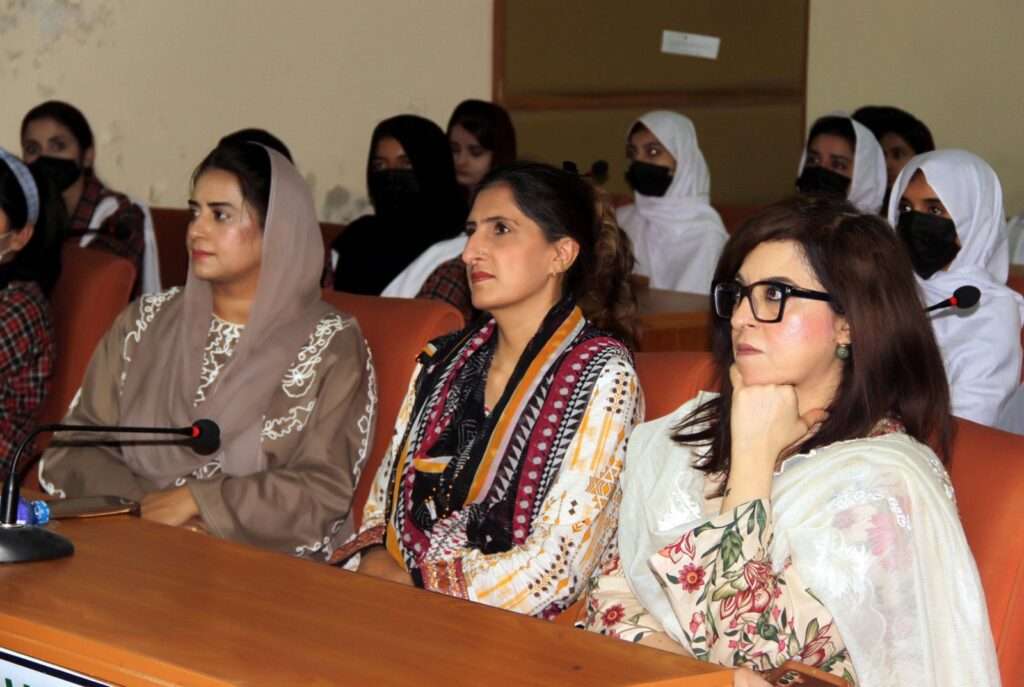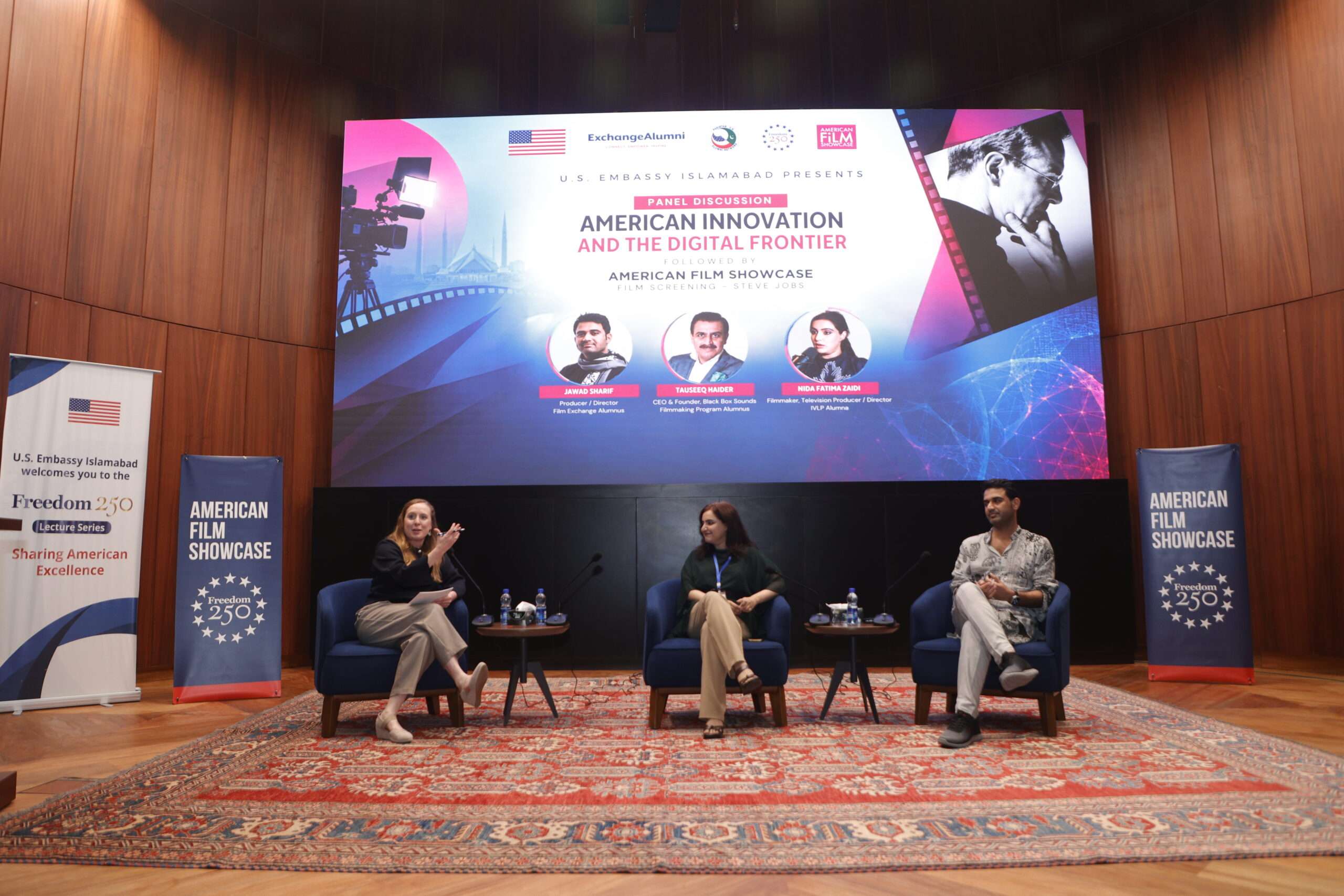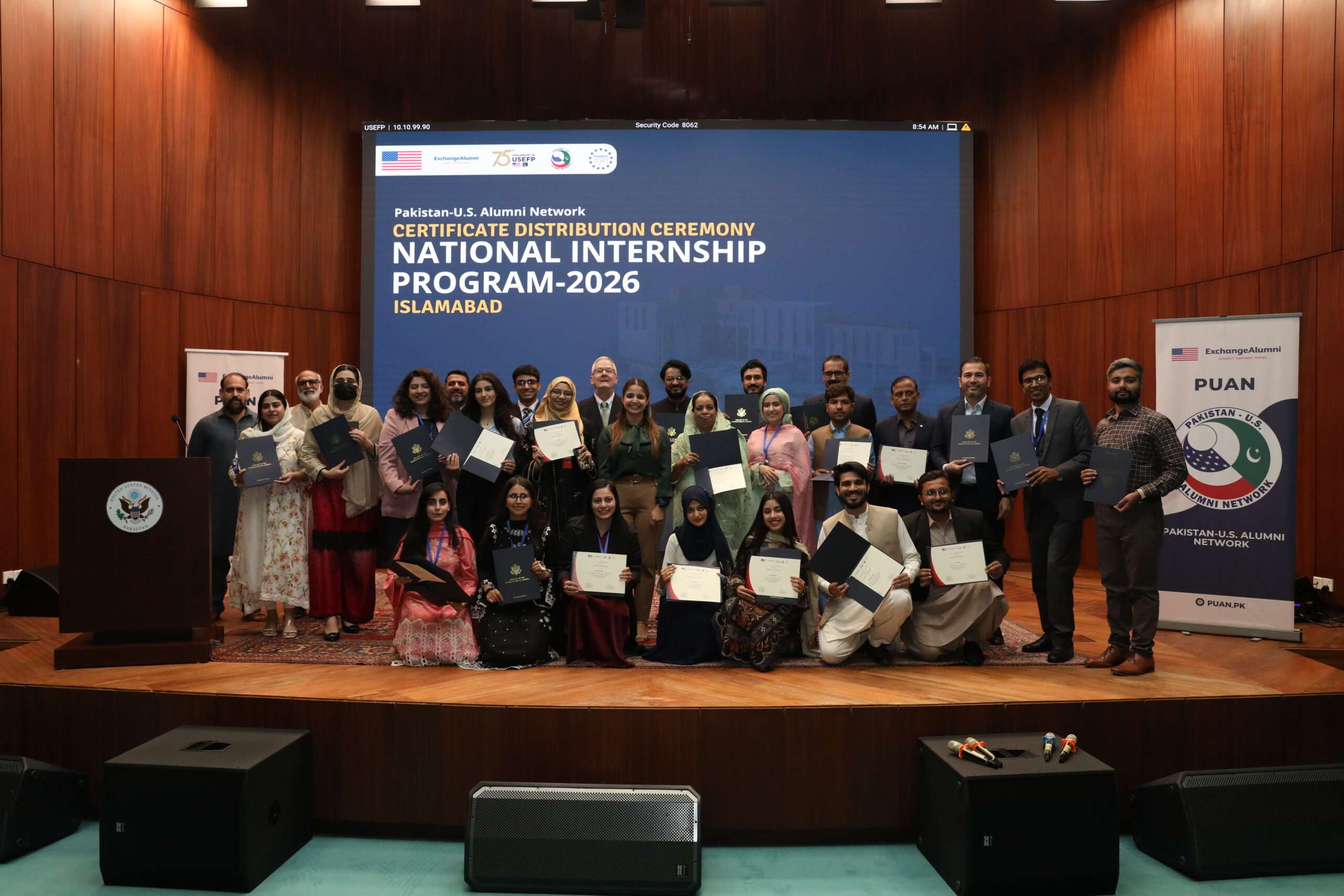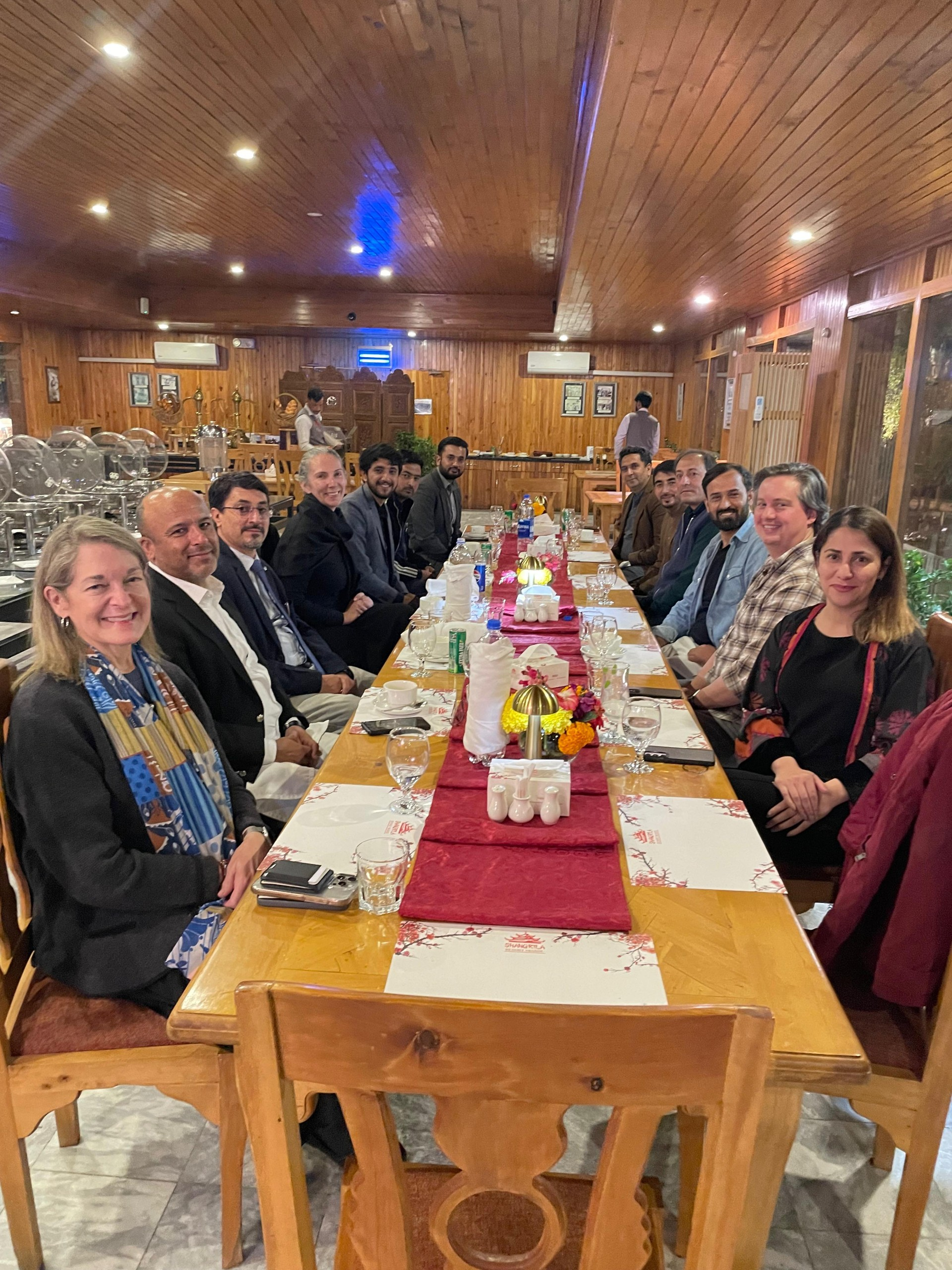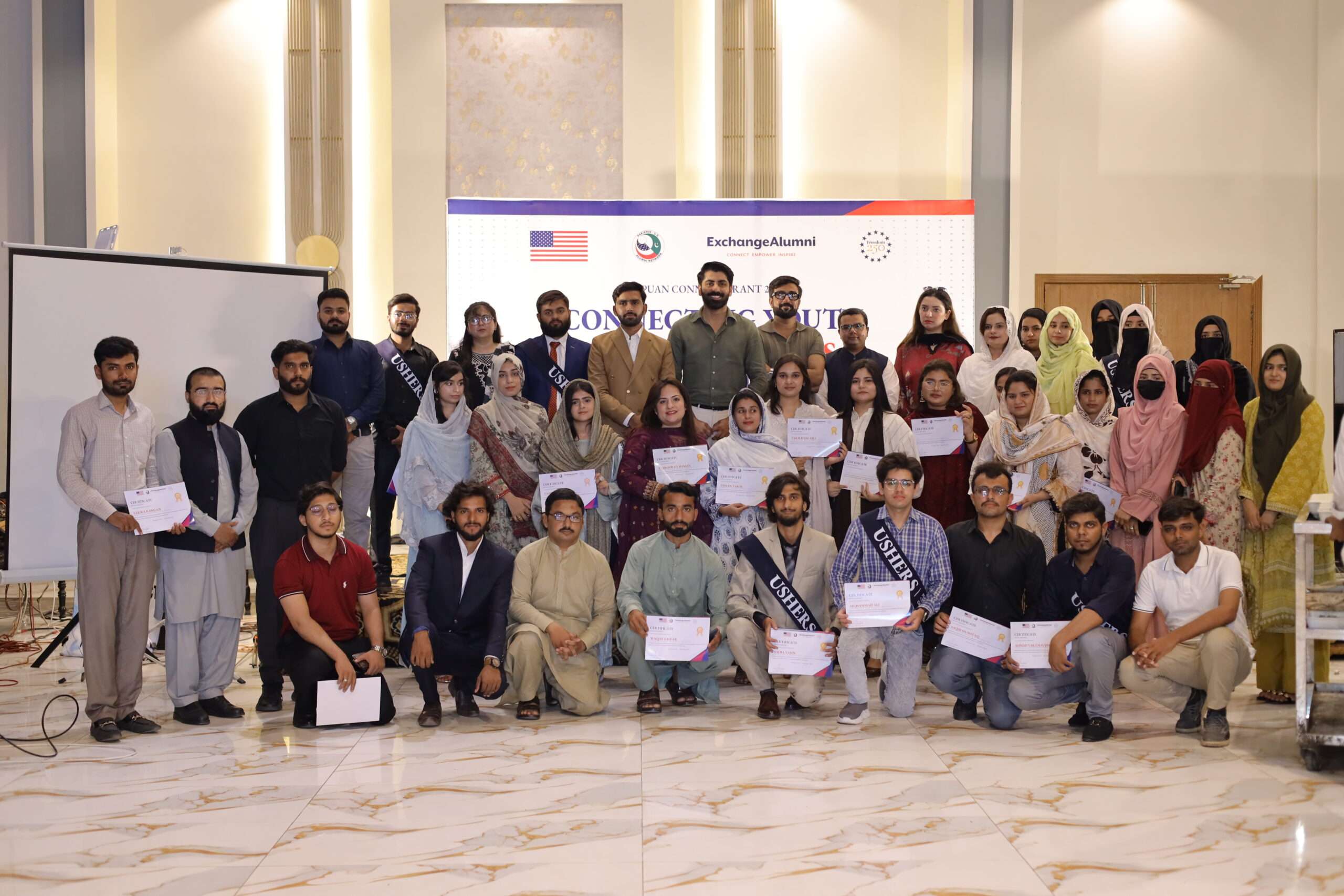
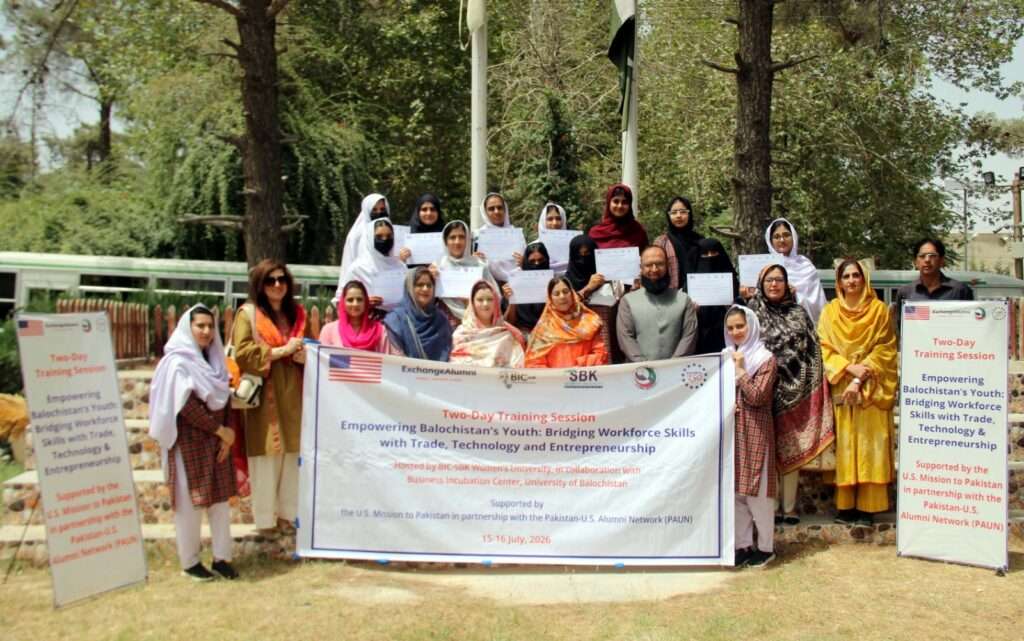
Quetta, July 16, 2026 Around 45 young women from Sardar Bahadur Khan Women’s University (SBKWU), Quetta, strengthened their entrepreneurial, digital, and career skills during a two-day workforce readiness training held under the Pakistan-U.S. Alumni Network (PUAN) Grants Program 2026. The activity is supported by the U.S. Mission to Pakistan in partnership with the Pakistan-U.S. Alumni Network (PUAN).
The training was part of the PUAN Grant project, “Empowering Balochistan’s Youth: Bridging Workforce Skills with Trade, Technology and Entrepreneurship,” led by Dr. Furqan Ul-Haq Siddiqui, a 2017 alumnus of the University of Massachusetts Donahue Institute through the U.S.-Pakistan University Partnerships Program. The project aligns with the U.S. Mission’s priority of strengthening workforce readiness, entrepreneurship, trade, technology, and investment opportunities for Pakistan’s youth.
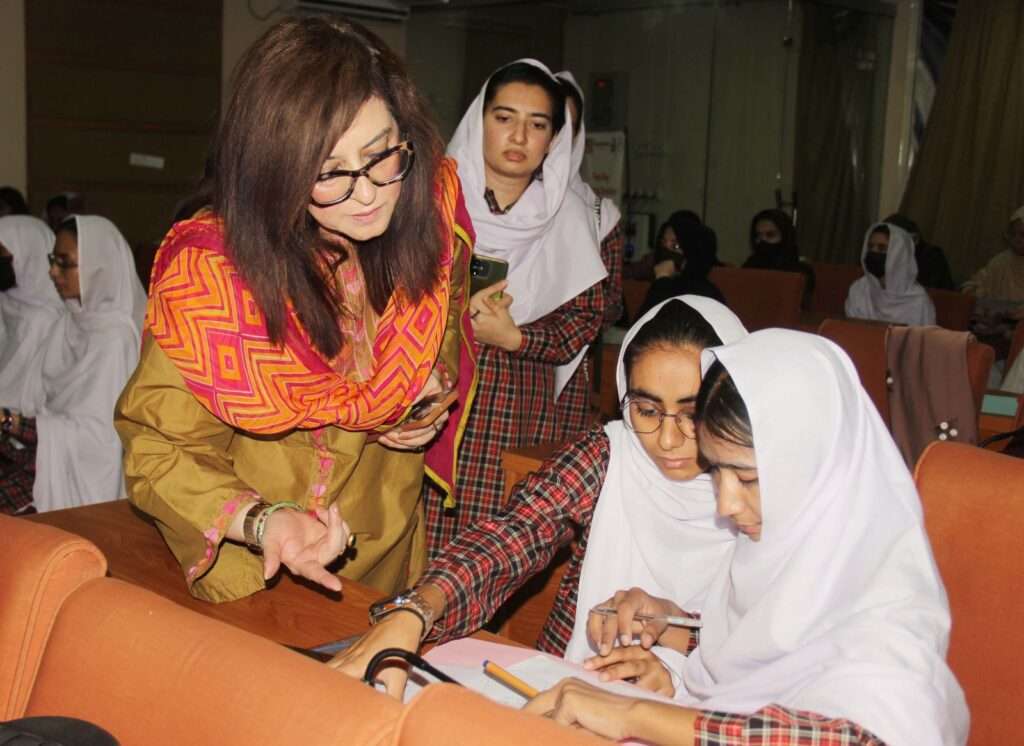
Hosted at SBKWU on July 15–16, 2026, the fourth institution-wise training focused on Workforce Readiness for Trade, Technology and Investment, equipping participants with practical knowledge in entrepreneurship, digital literacy, e-commerce, investment readiness, market linkages, professional communication, and career development.
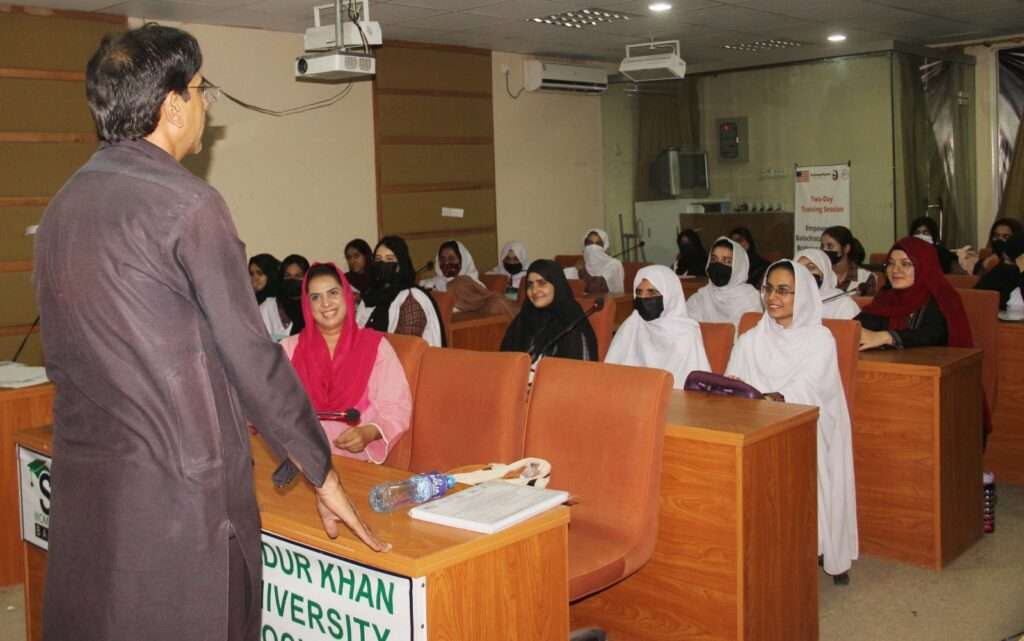
The program opened with welcoming remarks from Dr. Durdana Khosa, who highlighted the importance of providing women students with market-driven learning opportunities that prepare them for emerging economic opportunities. During the orientation, participants were introduced to the project’s objectives and encouraged to actively engage in practical exercises, collaborative learning, and business idea development throughout the two-day training.
The interactive program featured six expert-led sessions covering entrepreneurship essentials, digital literacy for trade, career readiness, investment orientation, technology integration, e-commerce, and business idea development. Through practical case studies, group discussions, and hands-on exercises, participants explored how technology and entrepreneurship can address local challenges while creating sustainable economic opportunities.
A major highlight of the training was the collaborative business idea development exercise. Working in teams, participants identified community needs, designed innovative business concepts, analyzed target customers, developed marketing approaches, and presented their ideas to a panel of trainers. The presentations received constructive feedback on feasibility, market relevance, customer focus, and solution design, helping participants refine their entrepreneurial thinking and presentation skills.
Beyond technical knowledge, the training emphasized critical workplace competencies including teamwork, communication, problem-solving, and professional confidence. Participants also gained practical exposure to investment readiness, digital trade platforms, and strategies for connecting local businesses with broader markets through technology and e-commerce.
The closing ceremony was attended by Prof. Dr. Rubina Mushtaq, alongside Prof. Dr. Zainab Bibi, Prof. Dr. Raheela Manzoor, Prof. Dr. Mehwish Malghani, Dr. Khadija Karim, Dr. Durdana Khosa, and Dr. Lubaina Dawood Baig.
Addressing the participants, Vice Chancellor Prof. Dr. Rubina Mushtaq appreciated the collaboration between PUAN and the University of Balochistan and emphasized the importance of expanding similar initiatives that equip young women with the skills needed to succeed in today’s rapidly evolving economy. She also expressed interest in strengthening future collaboration between SBKWU, PUAN, and the University of Balochistan to create more opportunities for students.
Certificates were distributed to all participants at the conclusion of the training, recognizing their successful completion of the program.
Through the PUAN Grants Program, alumni of U.S. exchange programs continue to leverage their international experiences to create locally driven solutions that expand economic opportunities, strengthen entrepreneurial ecosystems, and prepare Pakistani youth with the skills needed to compete in an increasingly technology-driven global economy. This initiative reflects the enduring U.S.-Pakistan partnership in promoting innovation, workforce development, and inclusive economic growth across Pakistan, particularly in underserved regions such as Balochistan.