The Pakistan-U.S. Alumni Network (PUAN), with the support of the U.S. Mission to Pakistan, officially launched the PUAN Grants Program 2026 project, “Digital Trust and Free Expression in the AI Era: Strengthening Responsible Content Creation in Open Digital Spaces,” on July 7, 2026, at the Department of Media & Development Communication, University of the Punjab, Lahore.
The initiative is led by Dr. Ayesha Ashfaq, an alumna of the U.S.-Pakistan University Partnership Program (2016–2018) at Arizona State University, whose U.S. exchange experience has informed her work in journalism education, digital media, and responsible communication. Through this project, she is applying knowledge and professional practices gained through her exchange program to help prepare Pakistan’s next generation of journalists and digital content creators for an increasingly AI-driven information environment.
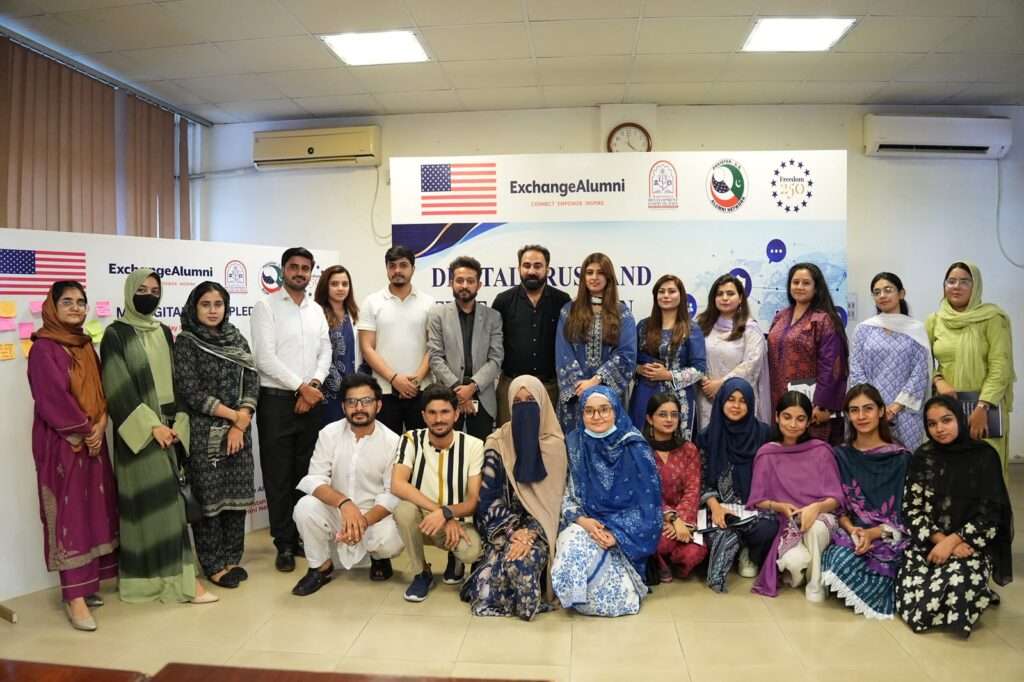
Over the next sixteen weeks, the project will equip 100 early-career journalists, media students, and digital content creators with practical skills in ethical journalism, AI verification, fact-checking, and responsible digital storytelling. Participants will also produce articles, podcasts, and digital content that promote credible information and responsible public discourse, while an open-access digital toolkit will extend the project’s reach to media professionals and students across Pakistan.
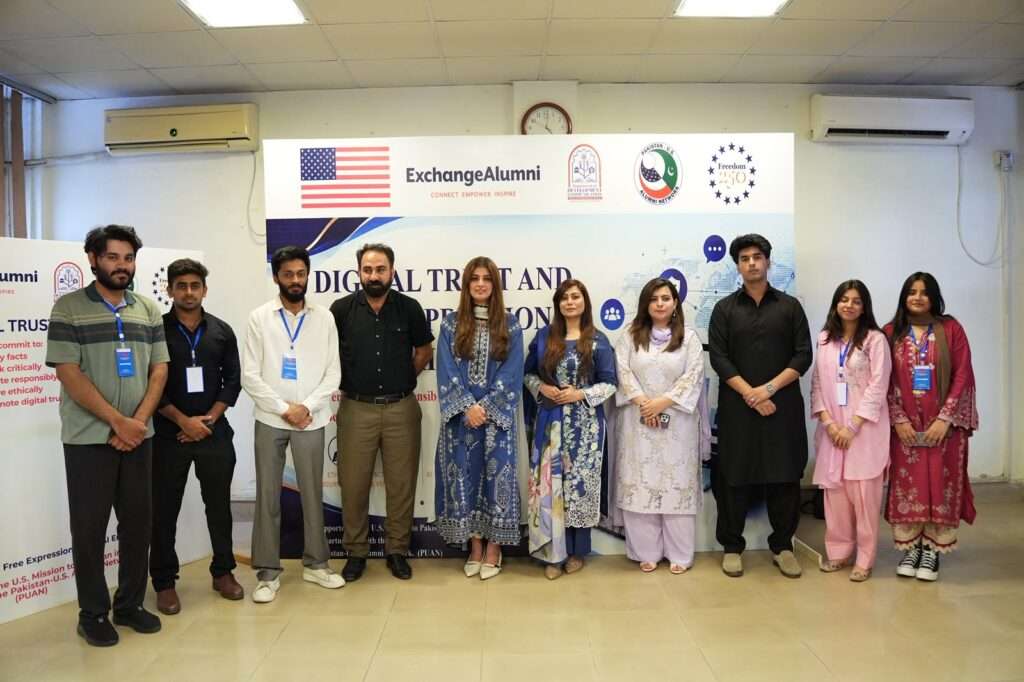
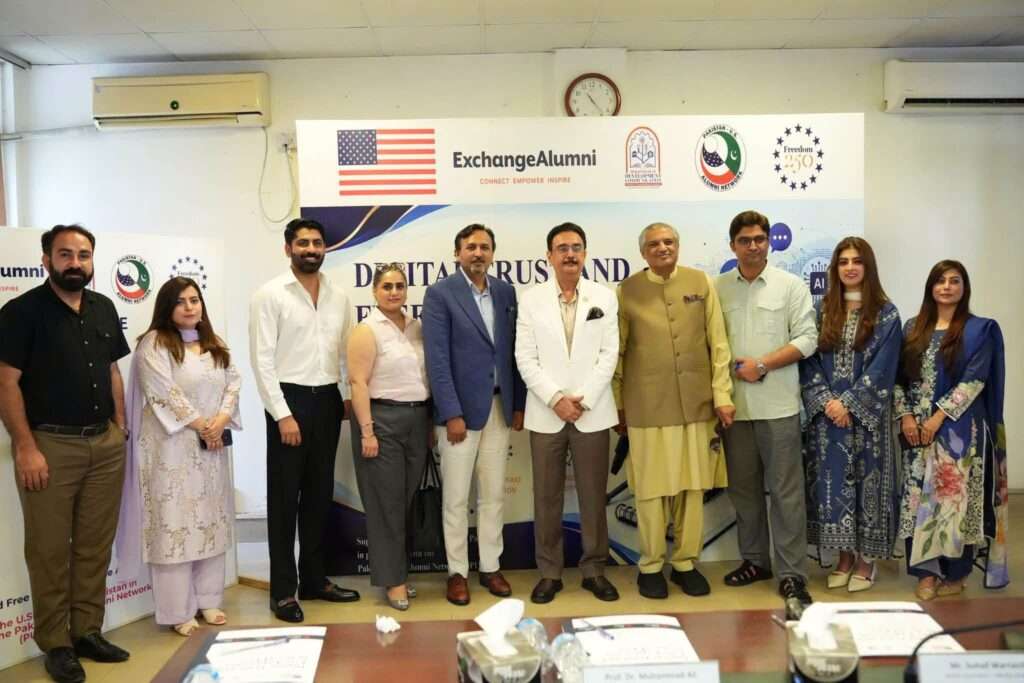
As artificial intelligence rapidly transforms the creation and distribution of information, the initiative responds to the growing demand for media professionals who can critically evaluate digital content, identify manipulated or AI-generated material, and apply responsible reporting practices that strengthen public confidence in digital information. By building these competencies, the project supports a more resilient digital information ecosystem and prepares emerging media professionals to use technology responsibly while safeguarding open access to reliable information.
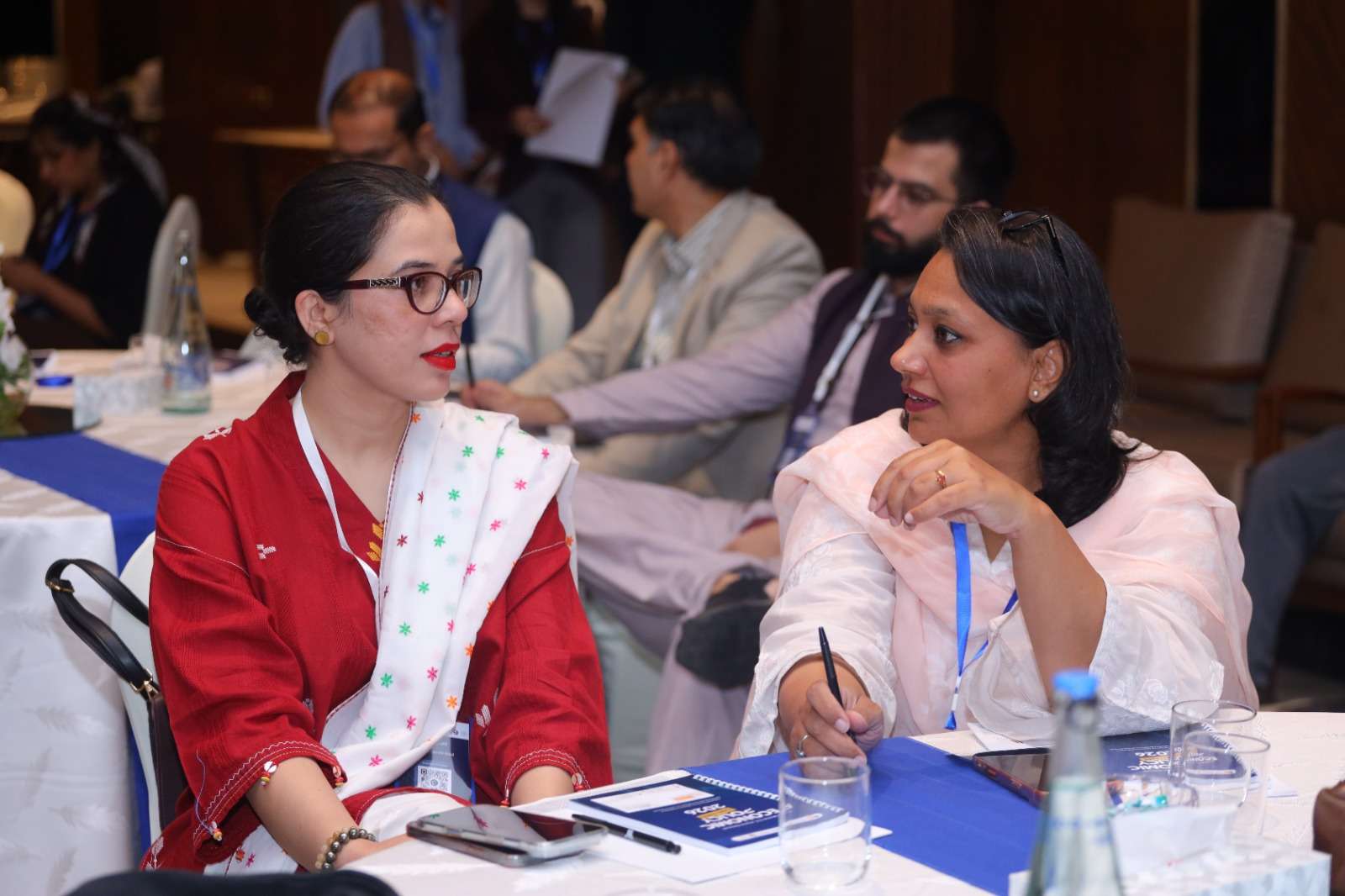
The inauguration ceremony brought together senior academics, media leaders, journalists, PUAN alumni, and representatives from the U.S. Consulate General Lahore to discuss the opportunities and responsibilities presented by artificial intelligence in journalism and digital communication.
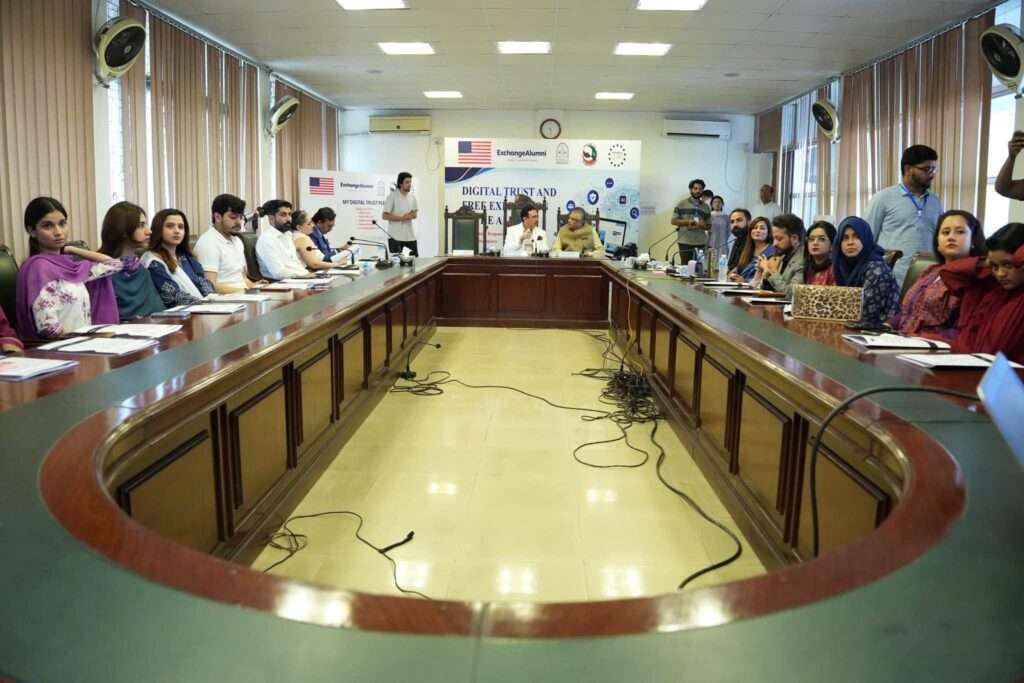
Delivering the keynote address, Prof. Dr. Muhammad Ali, Vice Chancellor of the University of the Punjab, emphasized the important role of universities in preparing future communicators to navigate technological change while upholding professional ethics. “In an era where truth competes with technology, universities must stand as anchors of integrity and intellectual discipline”, said Dr. Ali.
He noted that although artificial intelligence can process vast amounts of information, it cannot replace the human qualities of ethical judgment, empathy, critical thinking, and accountability that remain fundamental to credible journalism and responsible storytelling.
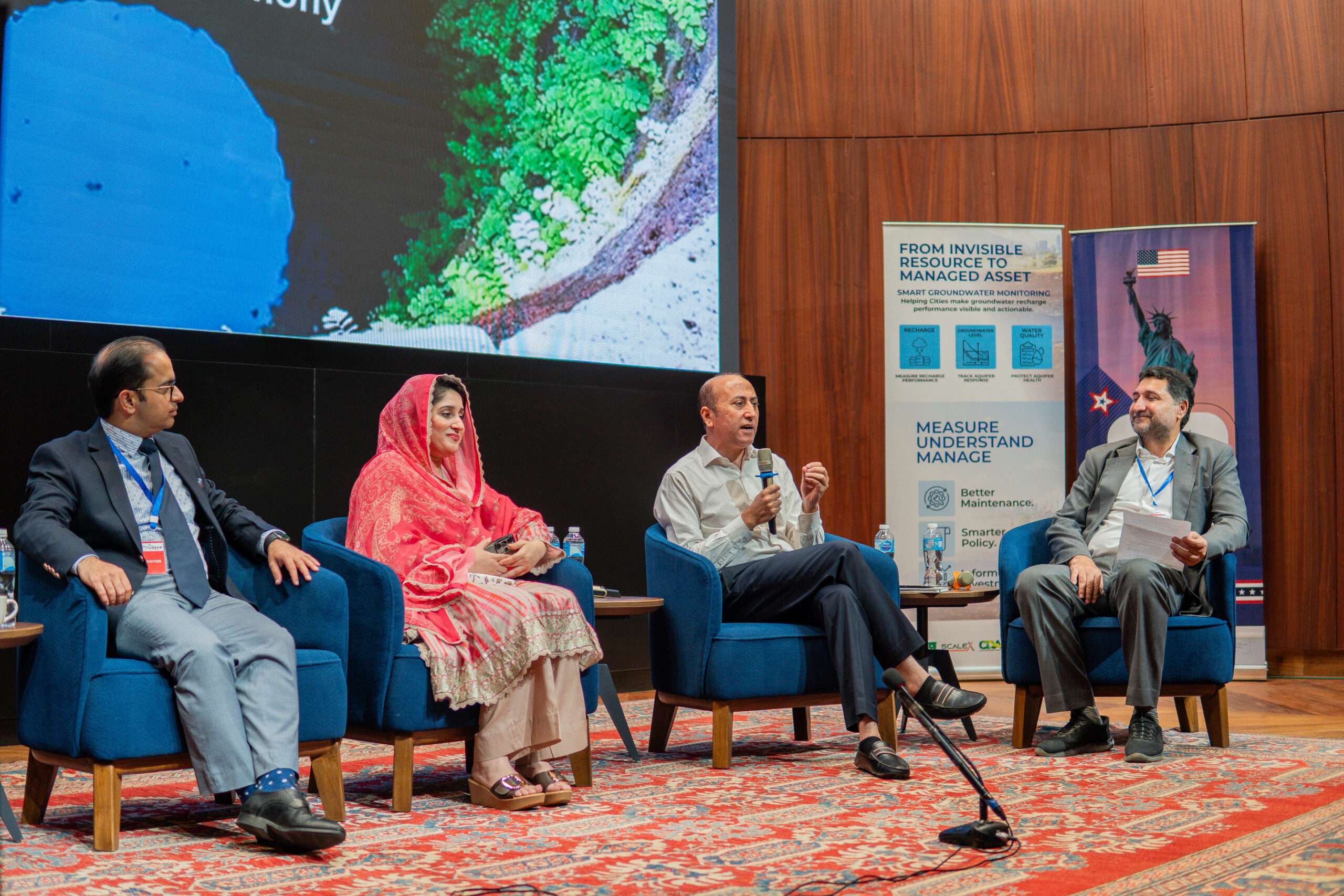
The panel discussion featured prominent voices from Pakistan’s media sector. Senior journalist Sohail Warraich highlighted the importance of strengthening journalism’s credibility in increasingly fragmented information environments. Ajmal Jami examined how AI-powered technologies and algorithm-driven platforms are reshaping newsroom practices and audience engagement, while Fazli Hadi, Media Development Practitioner at Shirkat Gah, presented an overview of Pakistan’s evolving digital information landscape, emphasizing the growing need for stronger verification skills and practical approaches to combating misinformation.
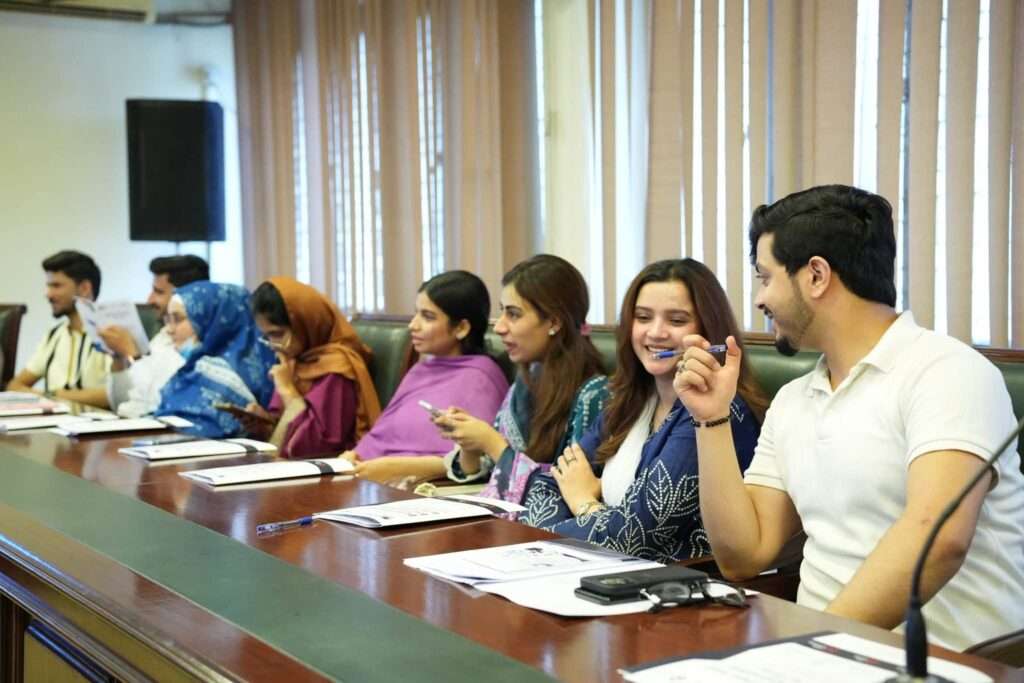
The event was attended by faculty members Dr. Shazia Ismail Toor and Dr. Madiha Maqsood, project team members Naveed Anwar and Sunny Zia. Following the inauguration, participants took part in the first capacity-building workshop, which focused on AI hallucinations, ethical journalism, digital verification tools, fact-checking methodologies, and responsible digital storytelling. The workshop concluded with an interactive Story Sprint, enabling participants to apply newly acquired skills through collaborative, real-world media exercises.
The project reflects the enduring impact of U.S. exchange programs in developing leaders who advance innovation, strengthen professional capacity, and address emerging challenges within their communities. Drawing on expertise gained through Arizona State University’s Walter Cronkite School of Journalism and Mass Communication, one of the United States’ leading journalism institutions, Dr. Ayesha Ashfaq is adapting internationally informed approaches to media integrity, digital innovation, and responsible communication to Pakistan’s evolving media landscape.
Implemented through the PUAN Grants Program, the initiative demonstrates how U.S. exchange alumni continue to translate their international learning into practical solutions that strengthen Pakistan’s media sector, promote the responsible use of emerging technologies, and support a more informed, innovative, and resilient digital future. By investing in the skills of young journalists and digital communicators, the project contributes to stronger information ecosystems, responsible digital innovation, and a workforce better equipped to navigate the opportunities and challenges of the AI era.